

 русский
 Español
 عربى
عربى
By Component
By Process / Technology


Home / Product / Other Mold / Stamping Forming Heat Sink Mold
Stamping Forming Heat Sink Mold
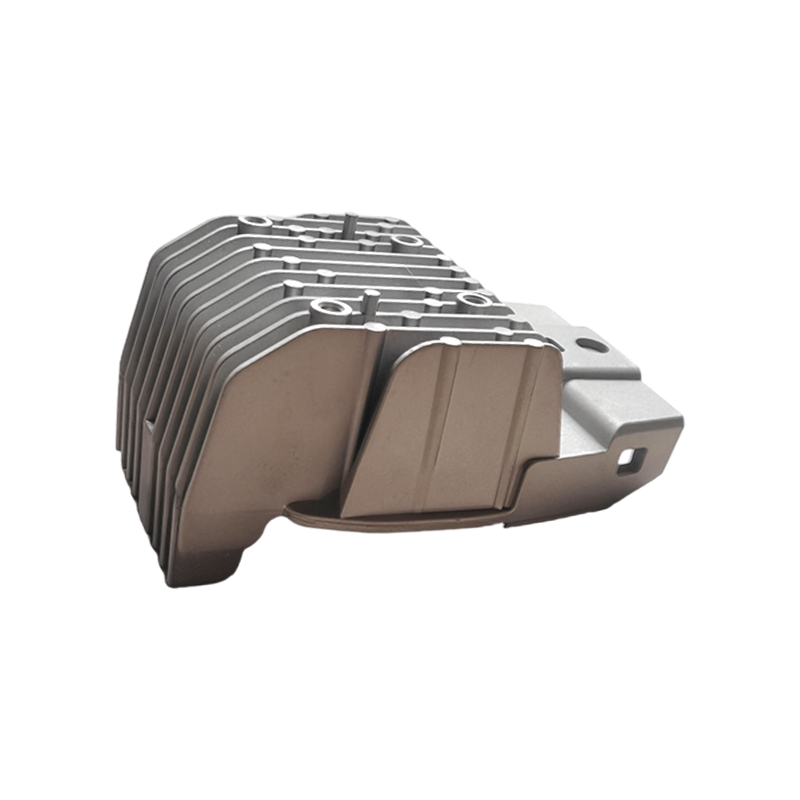
Stamping Forming Heat Sink Mold
Product Overview
This product is a stamped heat sink mold and corresponding heat sink structural solution developed for applications requiring reliable thermal dissipation, such as automotive electronics, power control units, and other heat-generating components.
The design is based on stamping process characteristics, enabling the integrated forming of multiple cooling fins while maintaining stable geometry, consistent quality, and suitability for mass production.
-
Challenge and Solutlon
-
Heat Sink Structural Characteristics
The heat sink features a multi-fin structure with continuous, vertically arranged cooling fins, formed as an integrated body through the stamping process.
Compared with machined or assembled heat sinks, this structure reduces joint interfaces and improves overall structural rigidity, while providing sufficient effective surface area for heat dissipation and stable thermal conduction.
Advantages of the Stamping Process
The heat sink is formed directly by stamping, eliminating secondary operations such as welding or extensive machining.
Stamping enables good consistency in fin height, spacing, and alignment, making it well suited for high-volume production. In addition, the process offers advantages in material utilization, production efficiency, and cost control for applications with strict consistency requirements.
Mold Design and Forming Control
To address the challenges of forming multiple fins with stable geometry, the mold is designed with optimized forming sequences, structural layout, and load distribution.
Through precise machining and controlled forming conditions, the mold ensures complete fin formation, controlled deformation, and reliable demolding performance, supporting stable long-term production and consistent part quality.
Applications and Technical Value
This stamped heat sink mold and structural solution is suitable for automotive electronic modules, power devices, and other applications requiring dependable thermal management and structural integrity.
By combining mold design and product structure optimization, the solution achieves a balance between thermal performance, manufacturing efficiency, and cost, and can be applied in both standardized and customized project developments.
-
Why Choose Us
-
Why Choose Renxin for Stamping Forming Heat Sink Mold Mold
● Experience in automotive lighting mold development since 2013
● Support for DFM, mold flow analysis, optical simulation and trial validation
● Suitable for OEM, Tier-1, and customized automotive lighting projects
● Precision machining, polishing, fitting and inspection capabilities
● Project management from design review to sample approval
-
Send Your Drawing for Free DFM Review
-
Share your 2D/3D drawing, material requirements, annual volume and project timeline. Our engineering team will review the manufacturability and provide mold solution suggestions.
Message Feedback
-
 Product OverviewThis headlamp light guide is developed based on specific lamp geometry and optical path requirements, wi...READ MORE
 -
 Product OverviewThis product is an inner lens component used in headlamp systems, designed to support internal light dis...READ MORE
 -
 Product OverviewThis product is a dual-color decorative bezel used in headlamp systems, designed to enhance exterior sty...READ MORE
 -
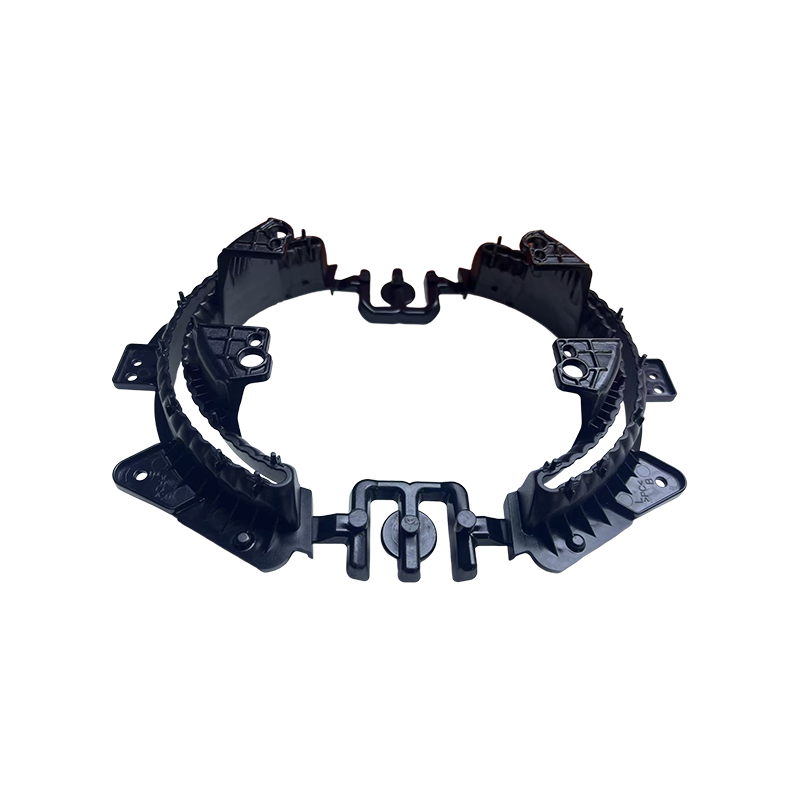 Product OverviewThis product is a structural mounting bracket used in headlamp systems, designed to support, locate, and...READ MORE
 -
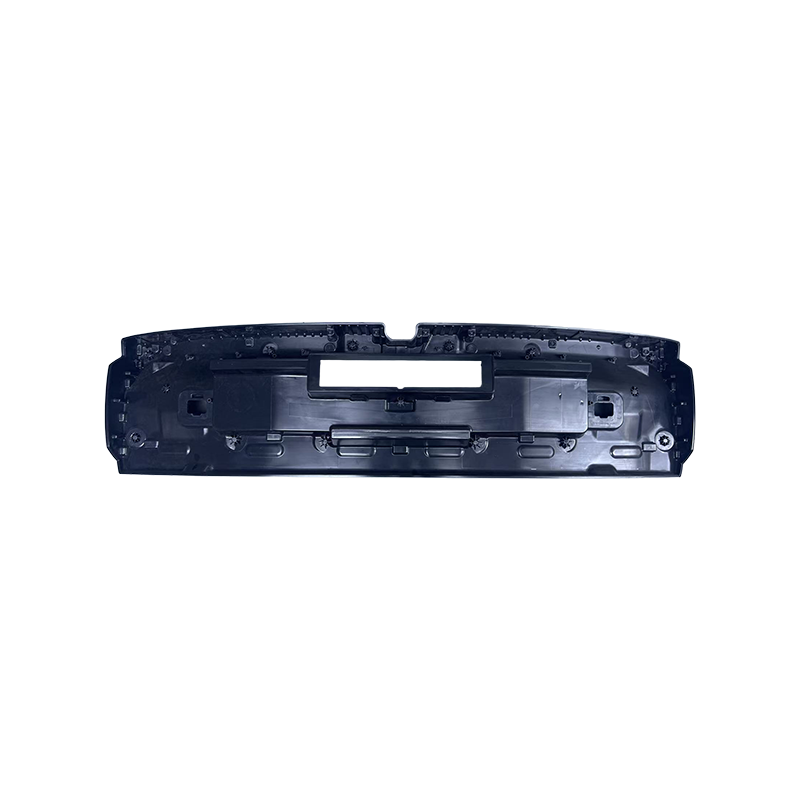 Product OverviewThis product is a housing component for front full-width lighting systems, designed to support optical e...READ MORE
 -
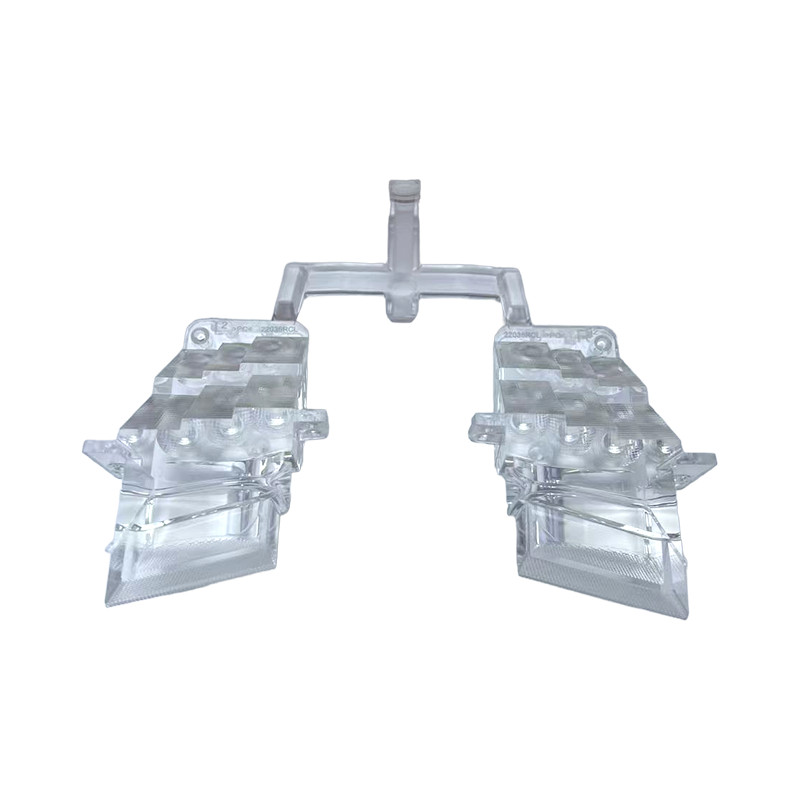 Product OverviewThis product is a thick-wall optical component used in tail light systems, developed based on specific g...READ MORE
 -
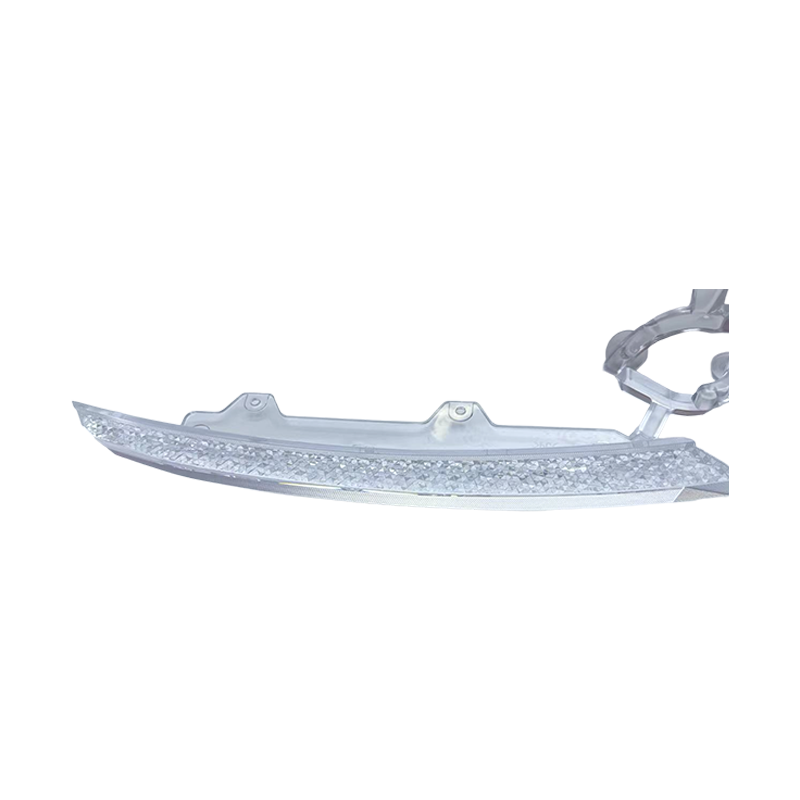 Product OverviewThis product is a thick-wall optical component for tail light systems, developed based on styling requir...READ MORE
 -
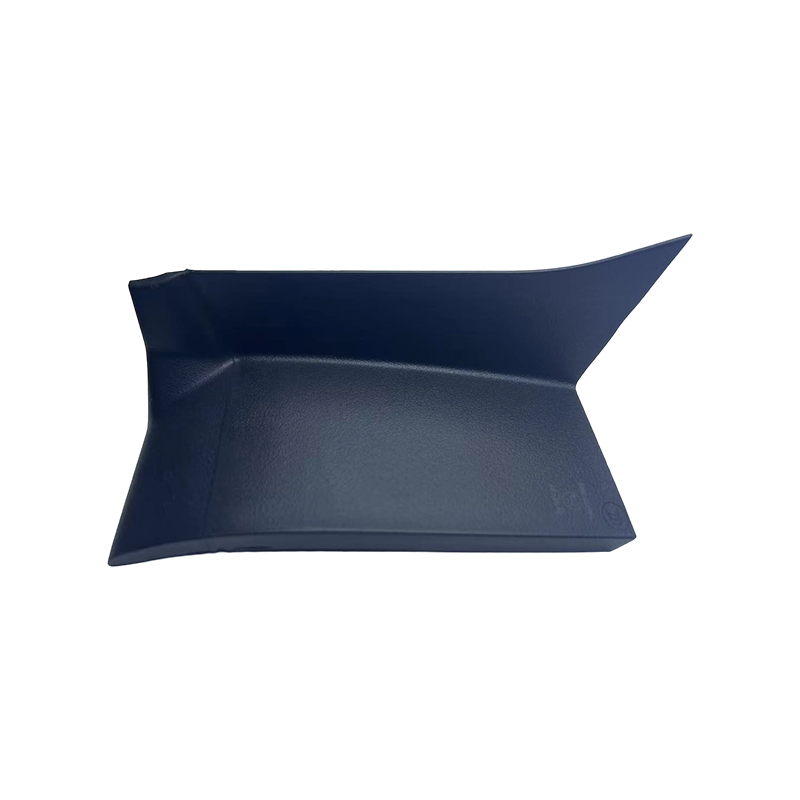 Product OverviewThis product is a dual-color trim panel used in tail light systems, primarily designed for exterior styl...READ MORE
 -
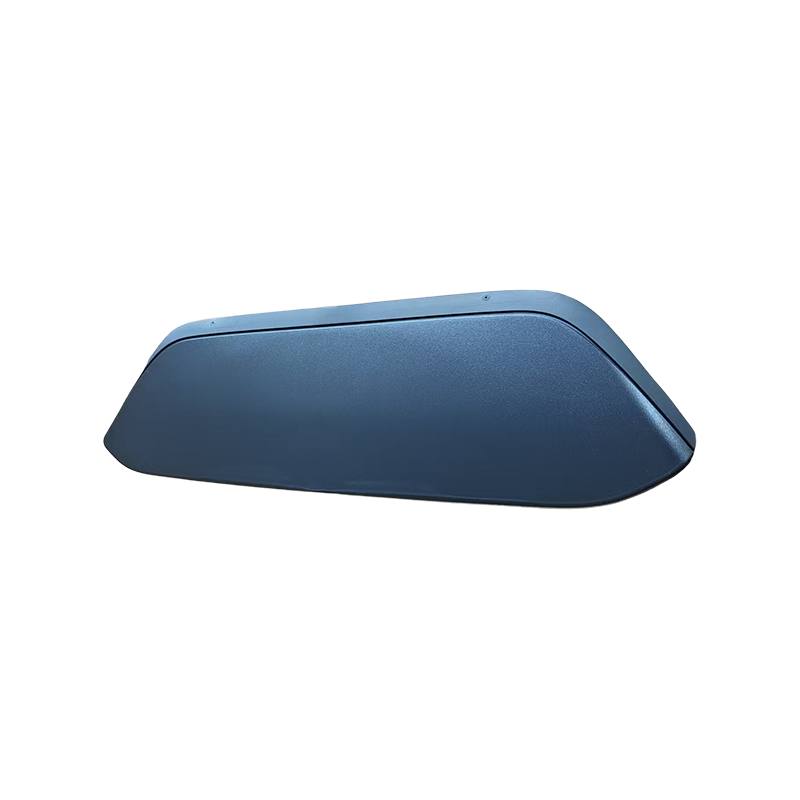 Product OverviewThis product is an overmolded guard panel for high-mounted stop lamp (HMSL) applications, designed for c...READ MORE
 -
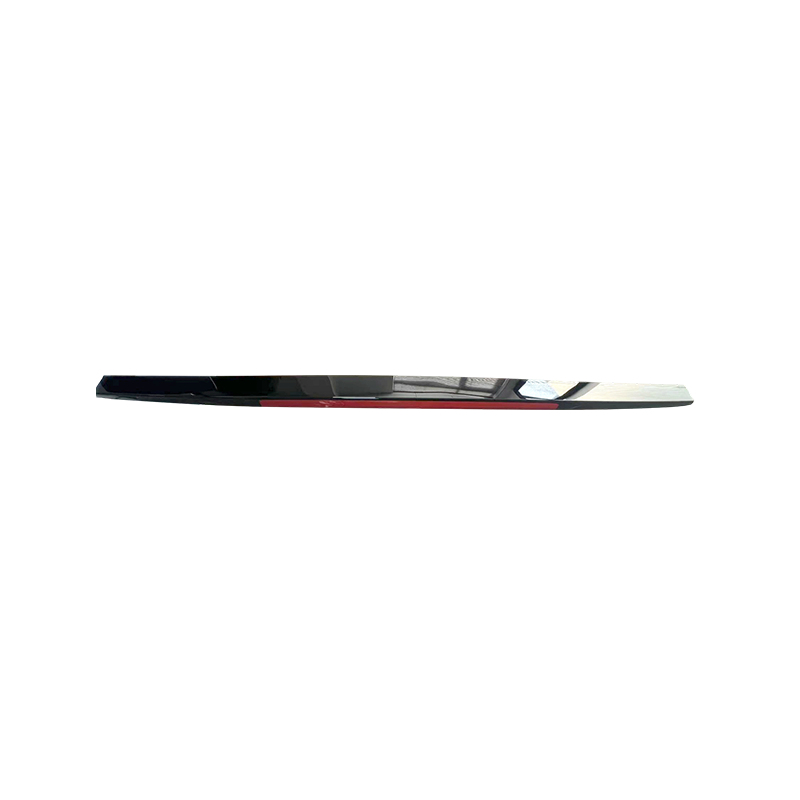 Product OverviewThis product is a dual-color light distribution lens for high-mounted stop lamp (HMSL) systems, designed...READ MORE
 -
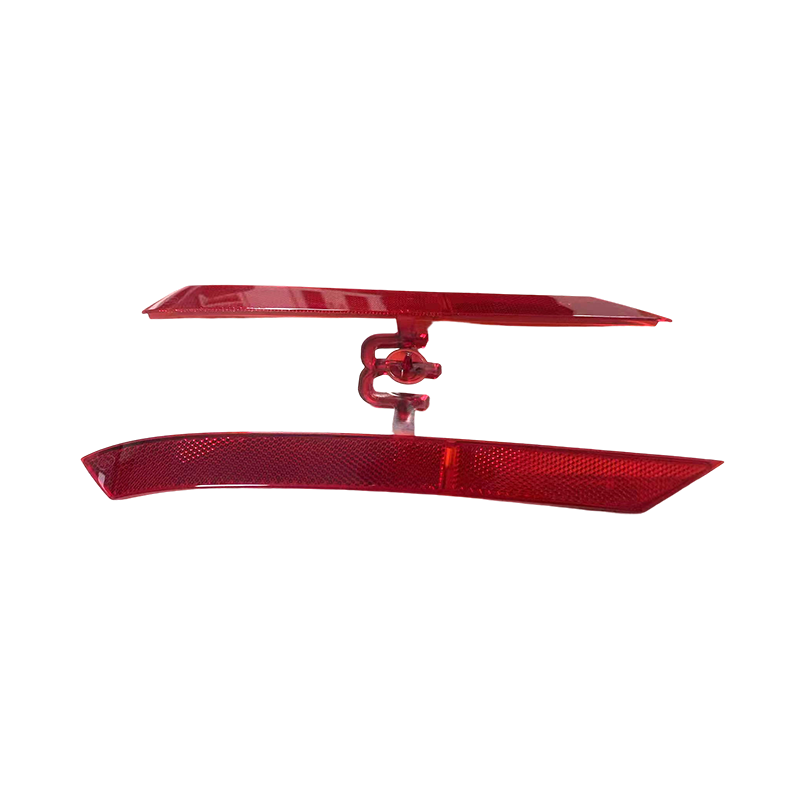 Product OverviewThis fog light reflector is developed based on its specific reflective structure and corresponding mold ...READ MORE
 -
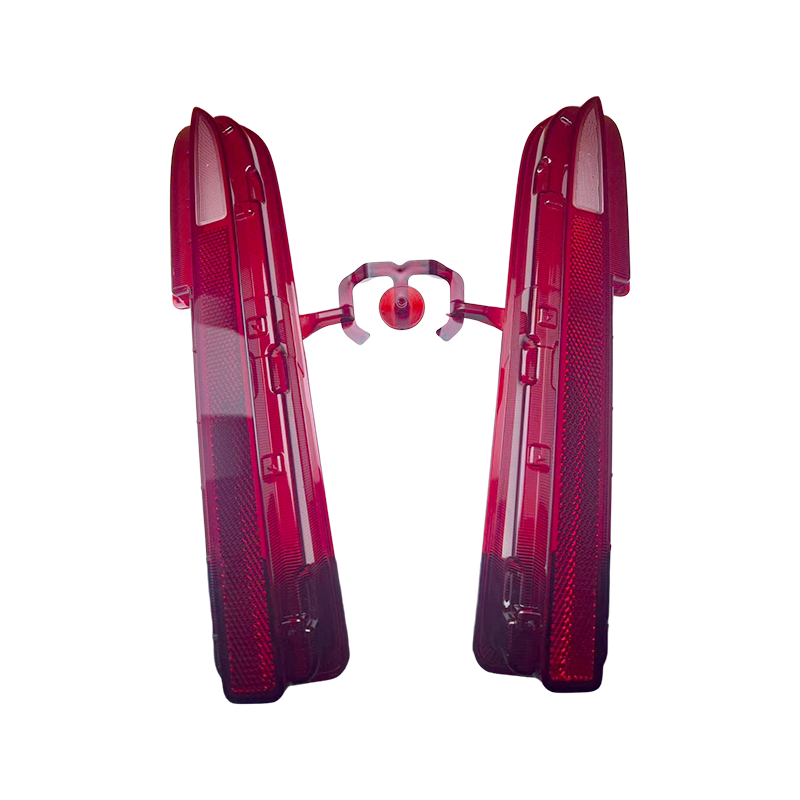 Product OverviewThis product is a retro reflector insert used within automotive reflector assemblies, designed to provid...READ MORE
Since 2013, Taizhou Renxin Mould Co., Ltd. has been specializing in the R&D and manufacturing of automotive lighting molds, providing end-to-end solutions from design to mass production.
- Phone: +86-18357631731
- Email: [email protected]
- No. 128 Xinjiang Road, Chengjiang Street, Huangyan District, Taizhou City, Zhejiang Province
Plastic Injection Molding Automotive Parts Manufacturer
Copyright © 2025 Taizhou Renxin Mould Co., Ltd. All Rights Reserved.
