

 русский
 Español
 عربى
عربى
By Component
By Process / Technology

Submit Feedback
Home / Component Based / Car Light Bezel Mold / Chery EXEED Tail Lamp Bezel
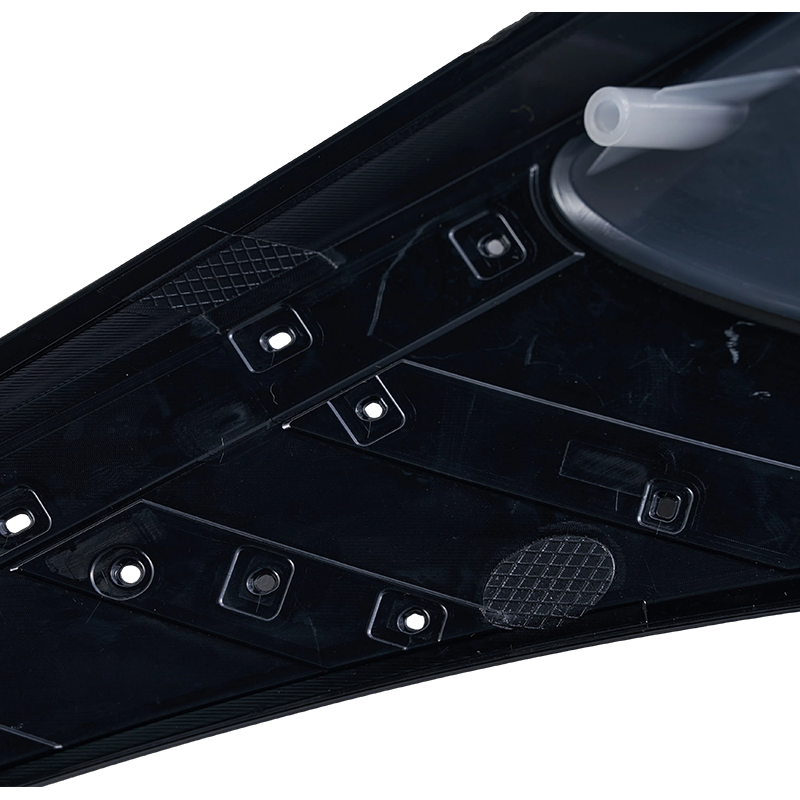
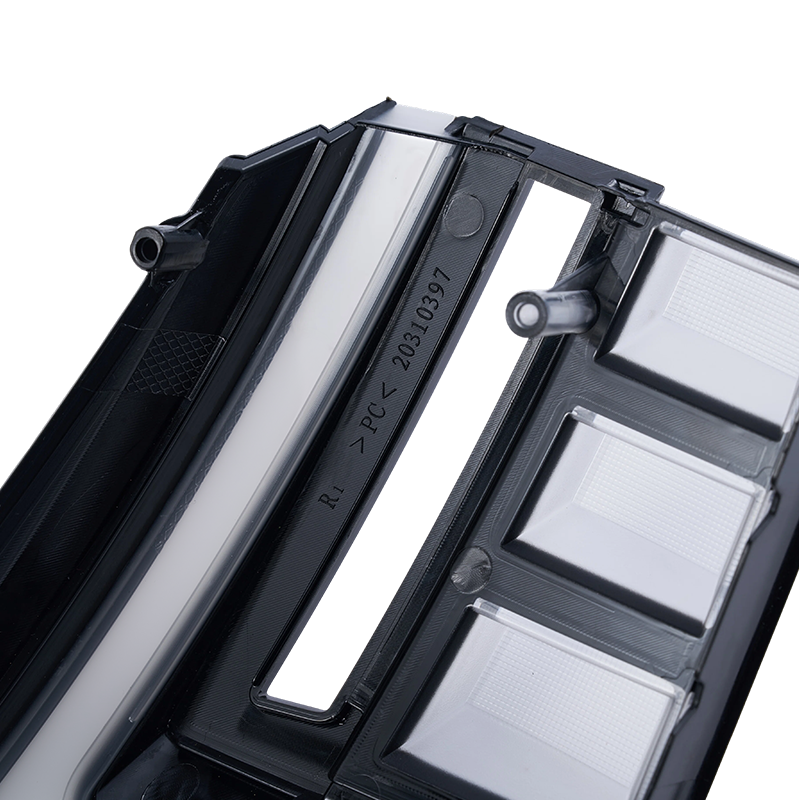
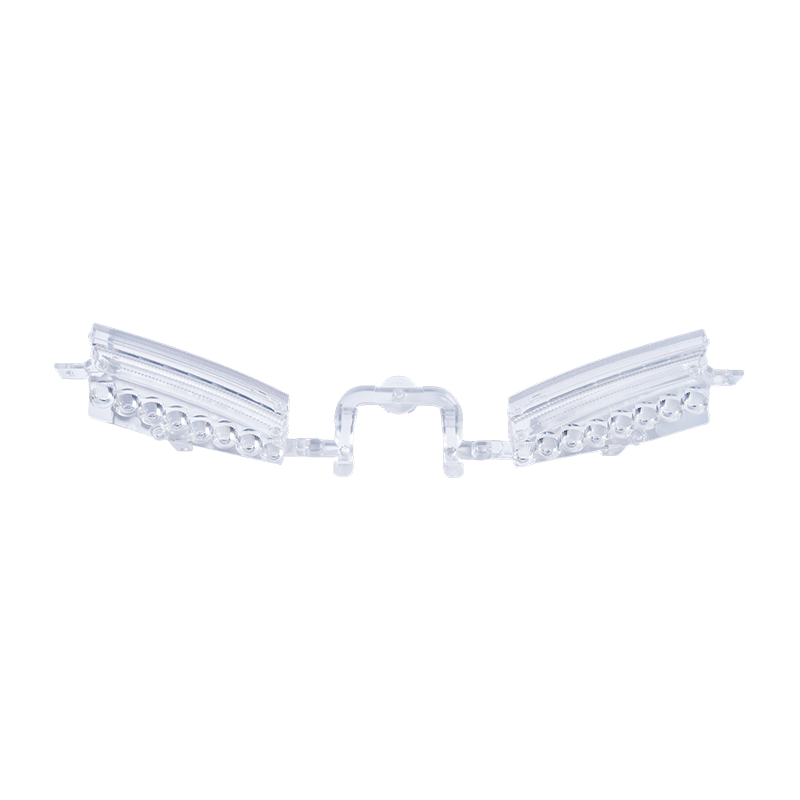
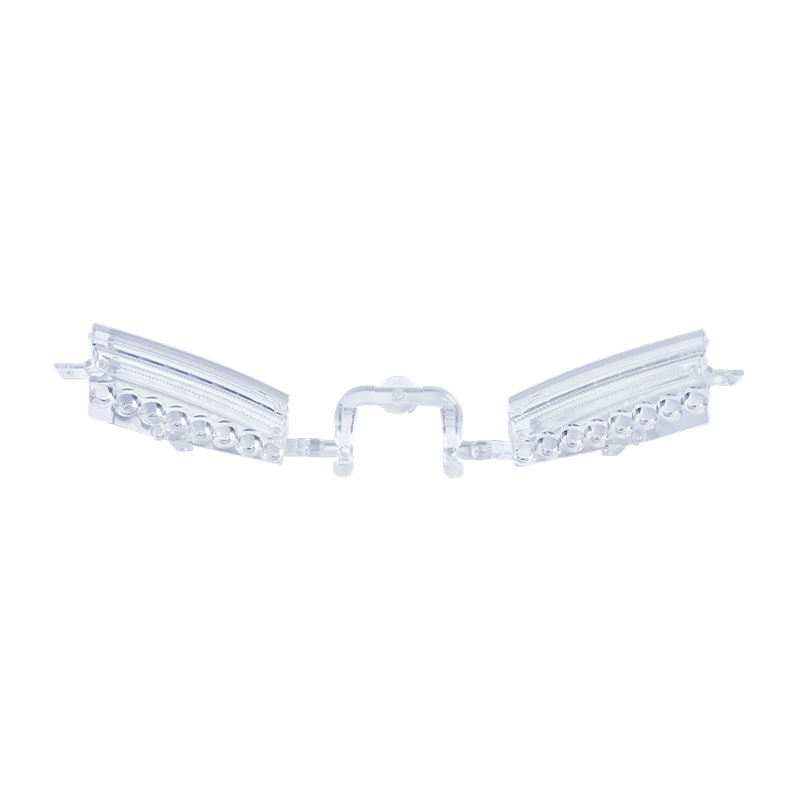
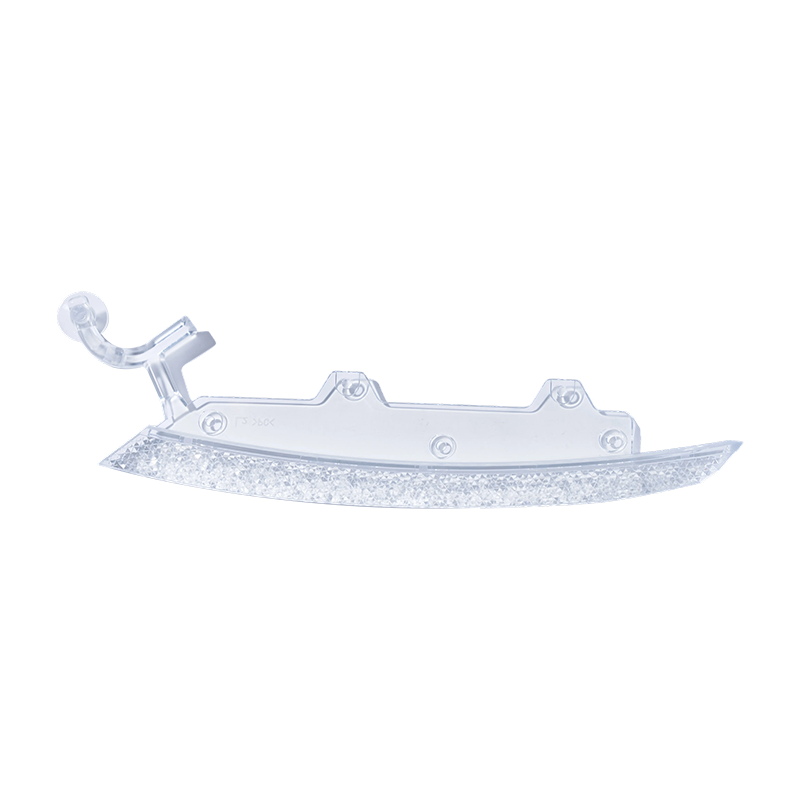
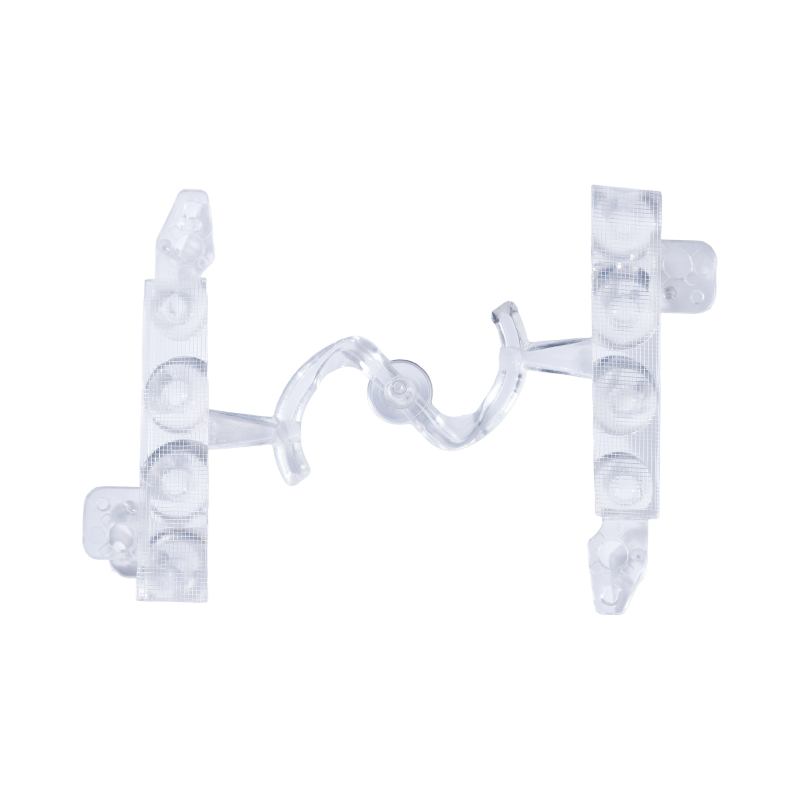
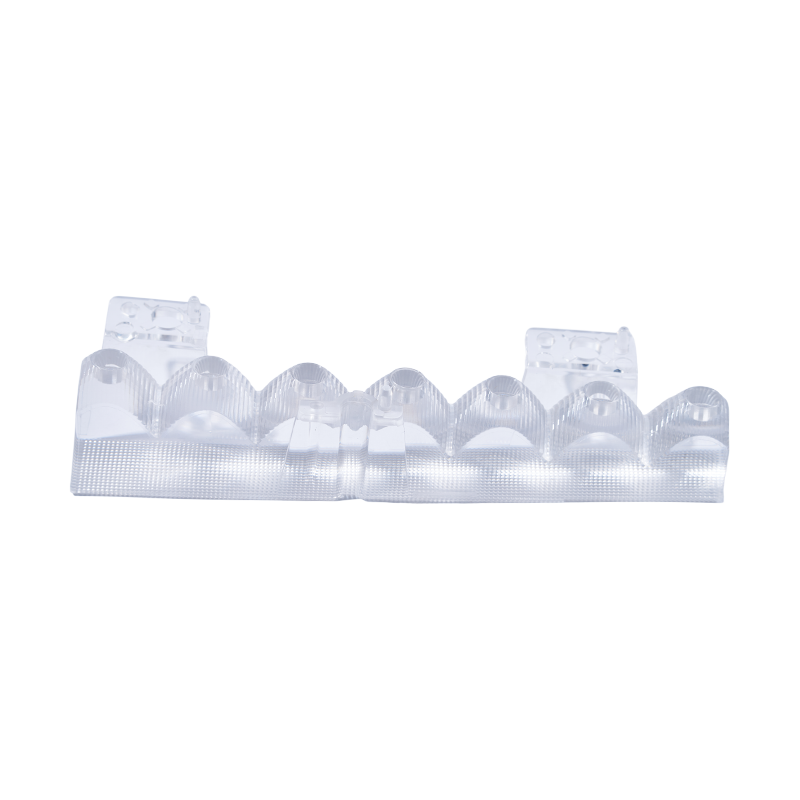
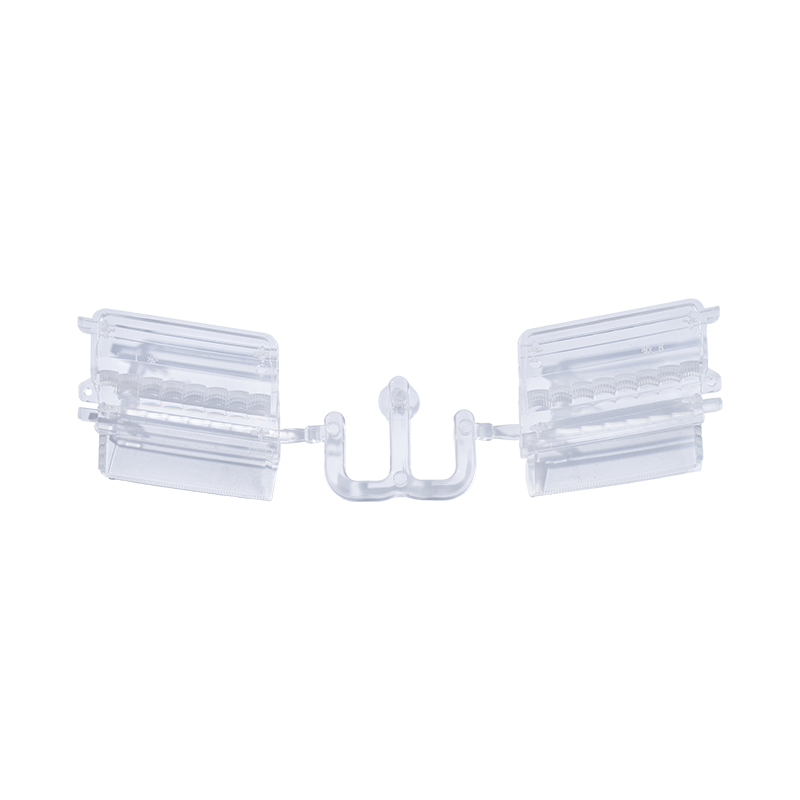
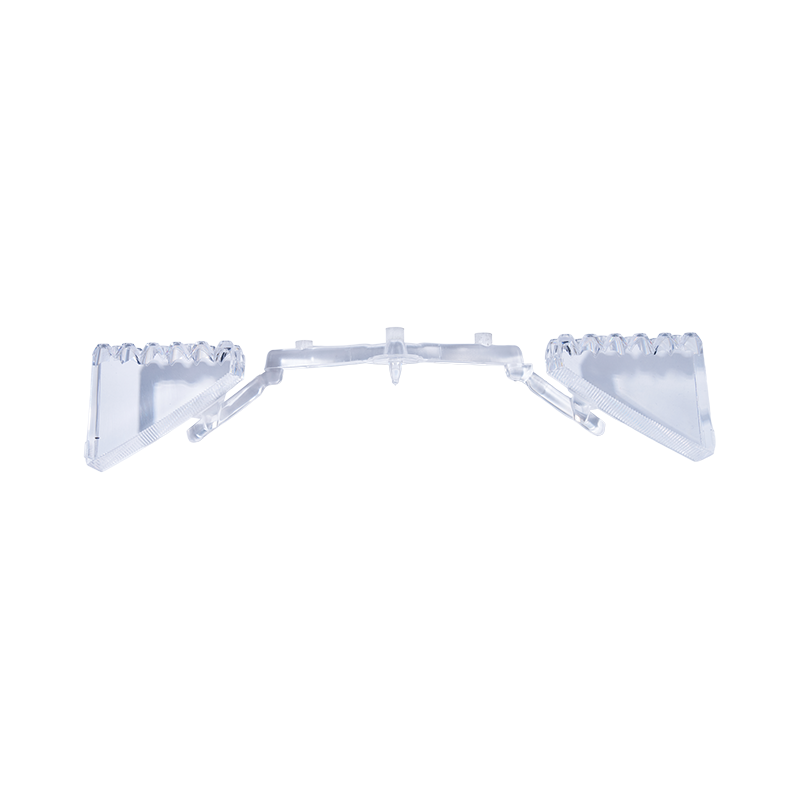
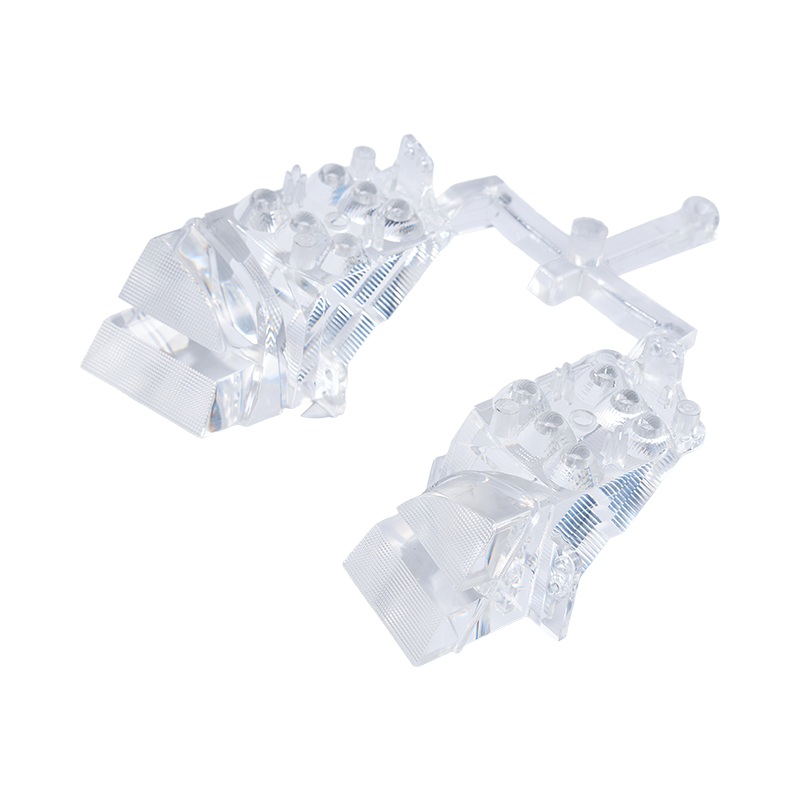
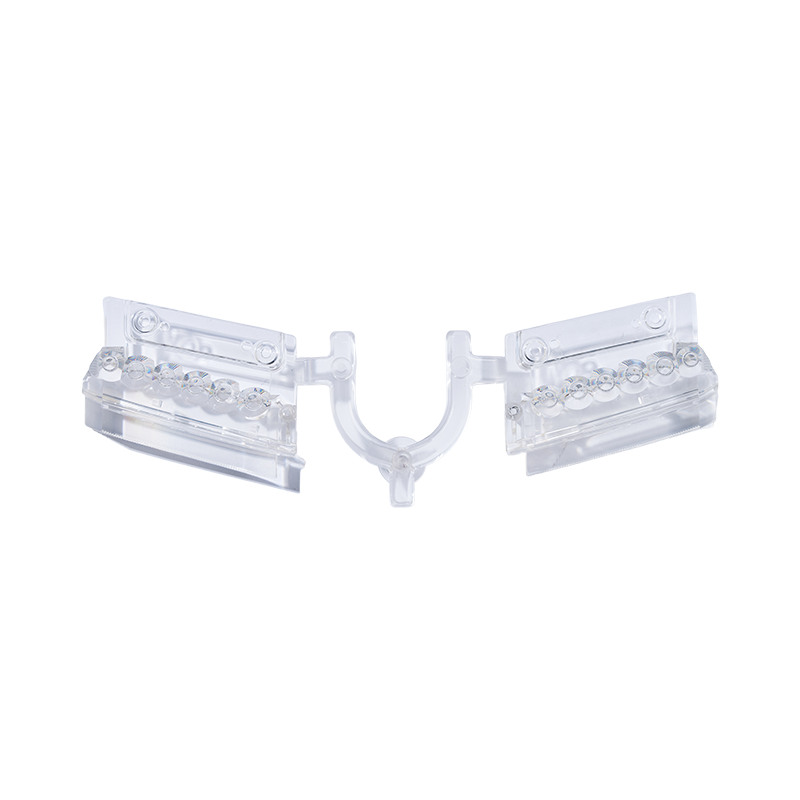
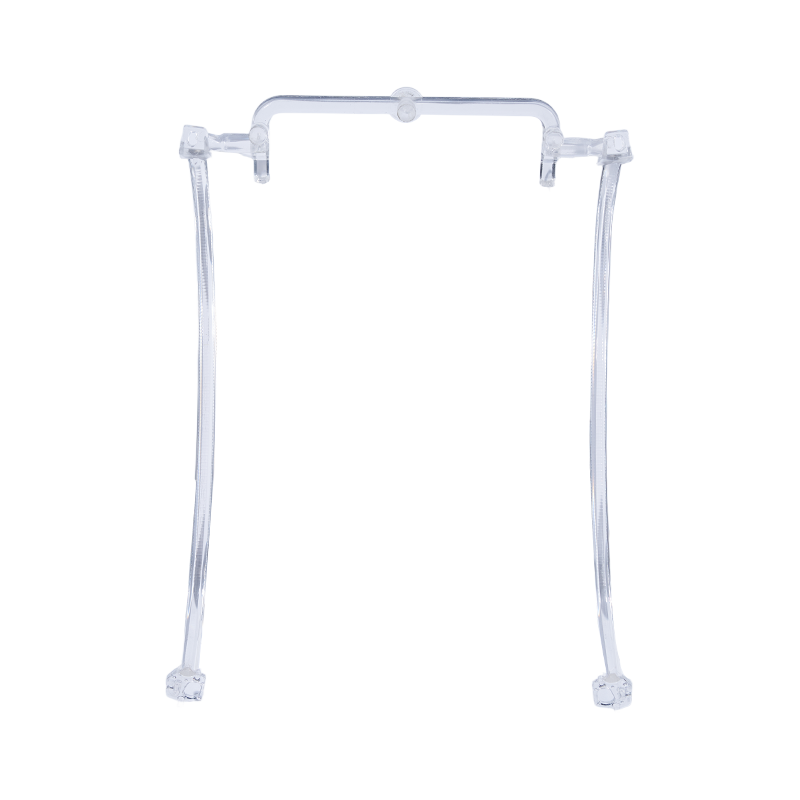
Chery EXEED Tail Lamp Bezel
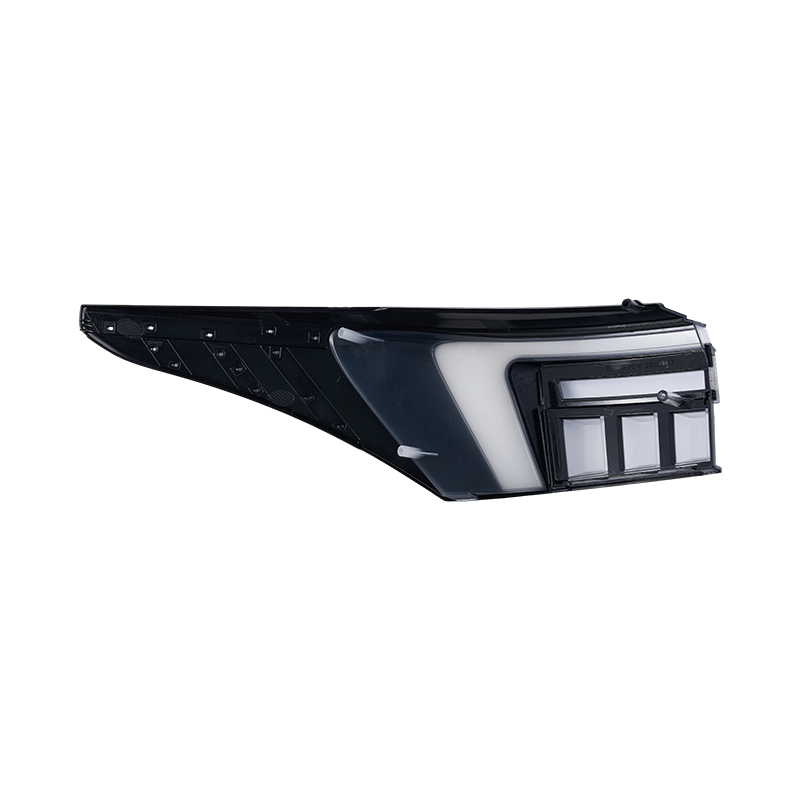
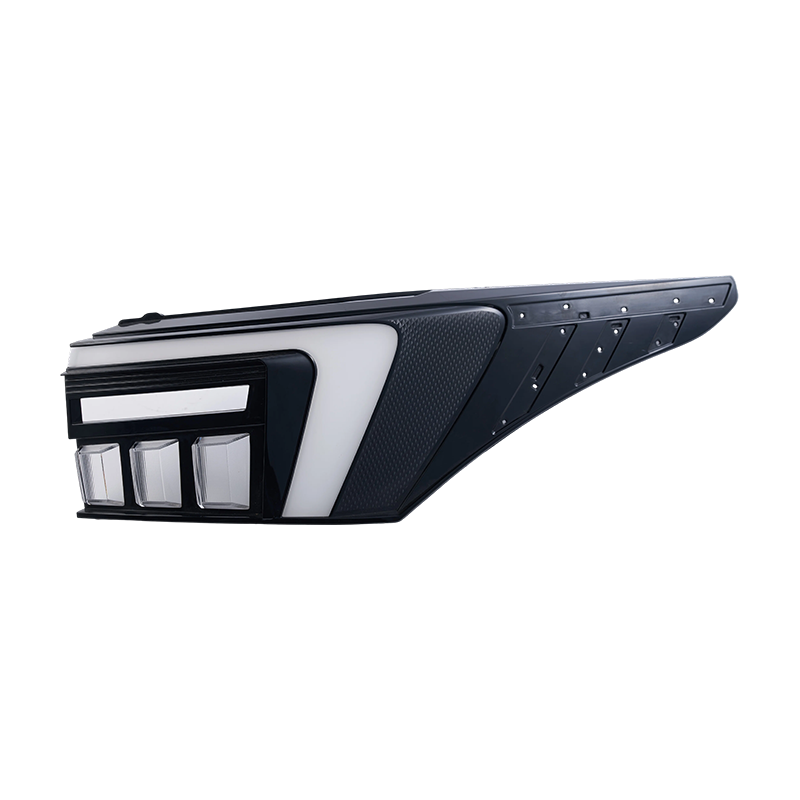
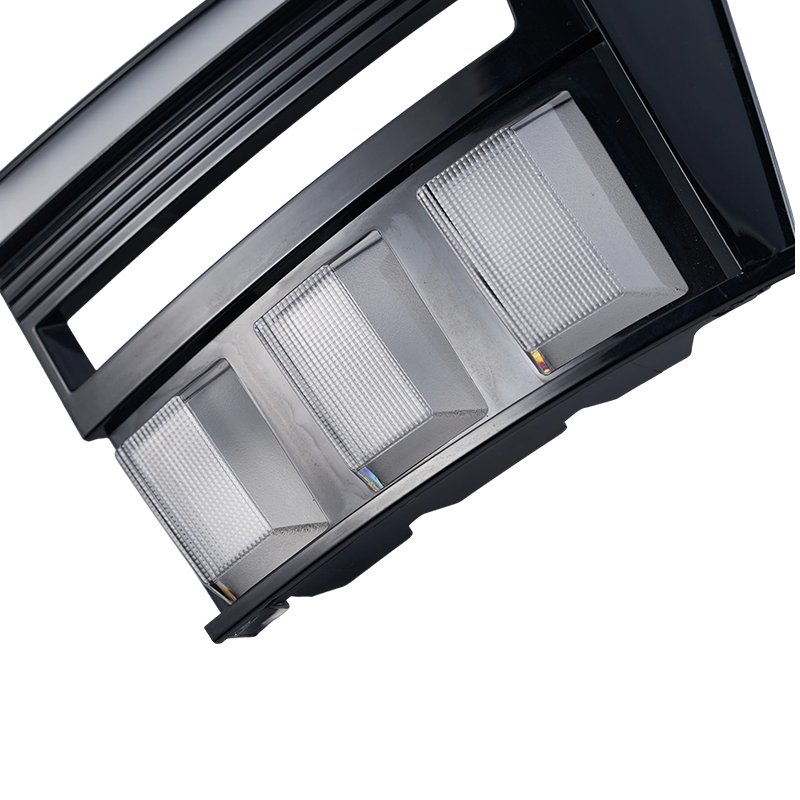
Chery EXEED Tail Lamp Bezel
Part Material: PC
Mold Steel: 2343
Key Requirement: Three-shot molding with optical texture on the transparent area and 3D textured appearance on the black area
Mold Life: 500,000+ Shots
DFM Review: 10 Days
Mold Design: 10 Days After Data Freeze
Mold Manufacturing: 70 Days After Material Preparation Instruction Issued
T0 Trial: Based on Mold Complexity
Modification & Validation: According to Trial Result
Shipment: After Sample Approval
Reports: DFM, Mold Flow, CMM, Trial Report
Application: Tier 1 Supplier, Chery EXEED
-
Challenge and Solutlon
-
Challenge:
The main challenge was to achieve stable three-shot molding while meeting two different appearance requirements on the same part. The transparent area required an optical texture with high clarity and a consistent light-transmitting effect, while the black area needed a strong 3D textured appearance with clear grain definition and good visual depth. During molding, it was necessary to control the positioning and bonding of the three shots, while avoiding defects such as flow marks, mismatch, poor texture replication, weld lines, gloss inconsistency, and deformation. The difference in material behavior and surface requirements between the transparent and black areas made process control more difficult.Solution:
We optimized the three-shot mold structure and injection sequence to ensure accurate positioning and stable bonding between different materials. For the transparent area, the cavity surface and processing parameters were carefully controlled to ensure precise replication of the optical texture and maintain good transparency. For the black area, the mold texture and molding conditions were optimized to achieve a sharp and visually dimensional grain effect. At the same time, the gate layout, cooling system, and molding parameters were adjusted to improve filling balance, reduce surface defects, and ensure stable appearance quality across both the transparent and black regions.
-
Why Choose Us
-
Why Choose Renxin for Chery EXEED Tail Lamp Bezel
● Experience in automotive lighting mold development since 2013
● Support for DFM, mold flow analysis, optical simulation and trial validation
● Suitable for OEM, Tier-1, and customized automotive lighting projects
● Precision machining, polishing, fitting and inspection capabilities
● Project management from design review to sample approval
-
Send Your Drawing for Free DFM Review
-
Share your 2D/3D drawing, material requirements, annual volume and project timeline. Our engineering team will review the manufacturability and provide mold solution suggestions.
Message Feedback
Since 2013, Taizhou Renxin Mould Co., Ltd. has been specializing in the R&D and manufacturing of automotive lighting molds, providing end-to-end solutions from design to mass production.
- Phone: +86-18357631731
- Email: [email protected]
- No. 128 Xinjiang Road, Chengjiang Street, Huangyan District, Taizhou City, Zhejiang Province
Plastic Injection Molding Automotive Parts Manufacturer
Copyright © 2025 Taizhou Renxin Mould Co., Ltd. All Rights Reserved.
