
 русский
 Español
 عربى
عربى


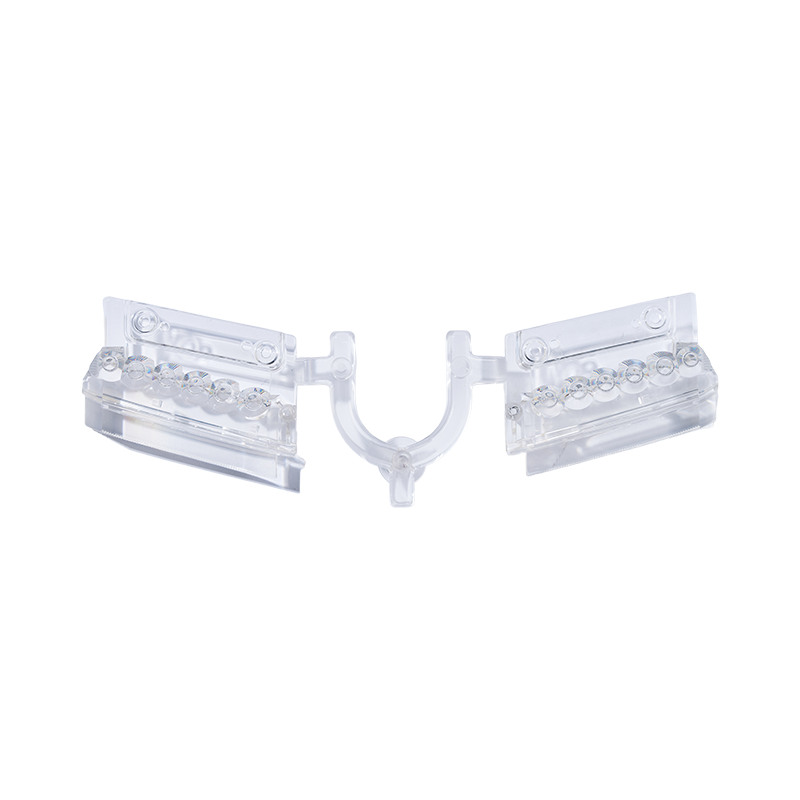
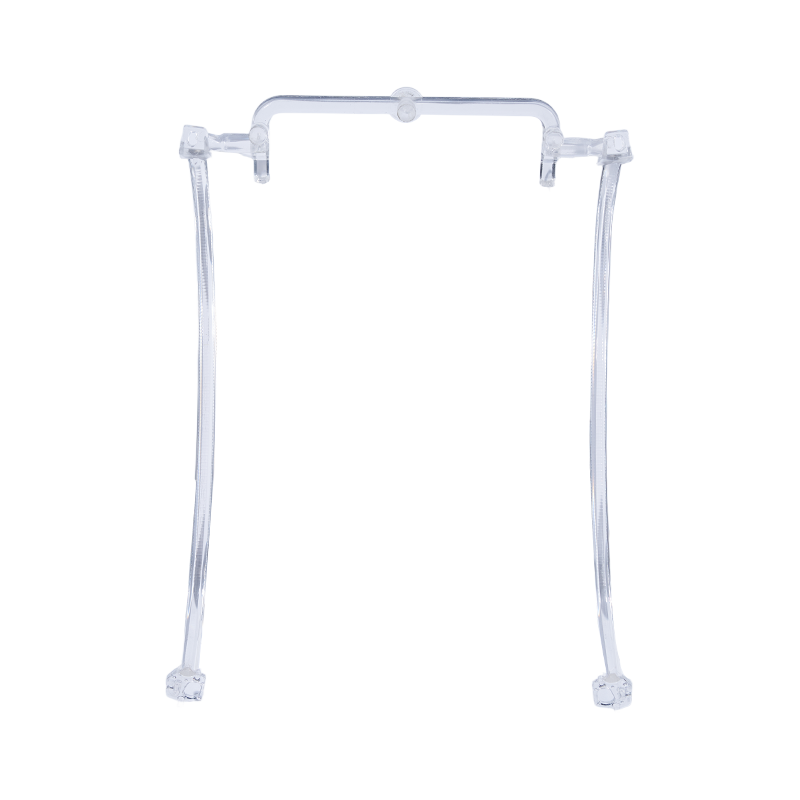
Founded in 2013, Renxin Mould specializes in the design and manufacture of automotive lighting molds. Our tooling scope includes lenses, light guides, bezels, housings and other lamp components, with two-shot, three-color and overmolding mold solutions. Engineering support includes DFM review, mold-flow analysis, mold design, machining, fitting and mold trials according to project requirements.
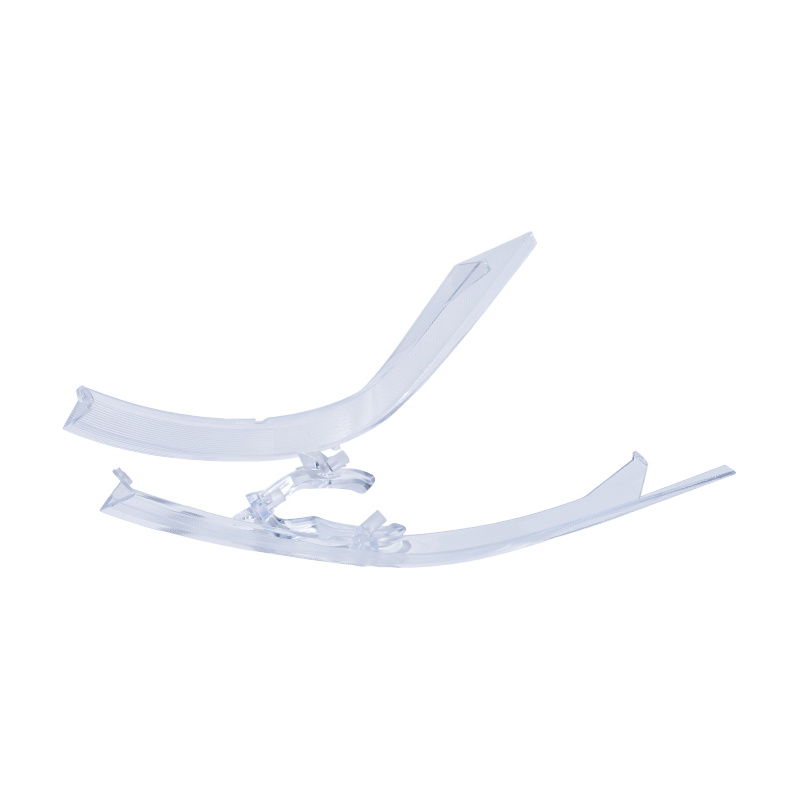
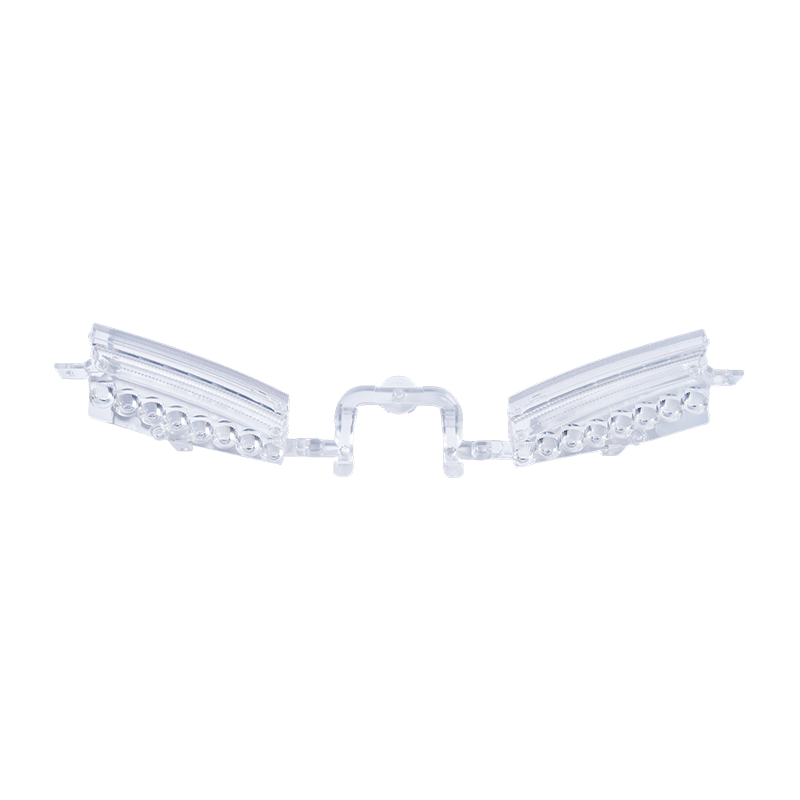
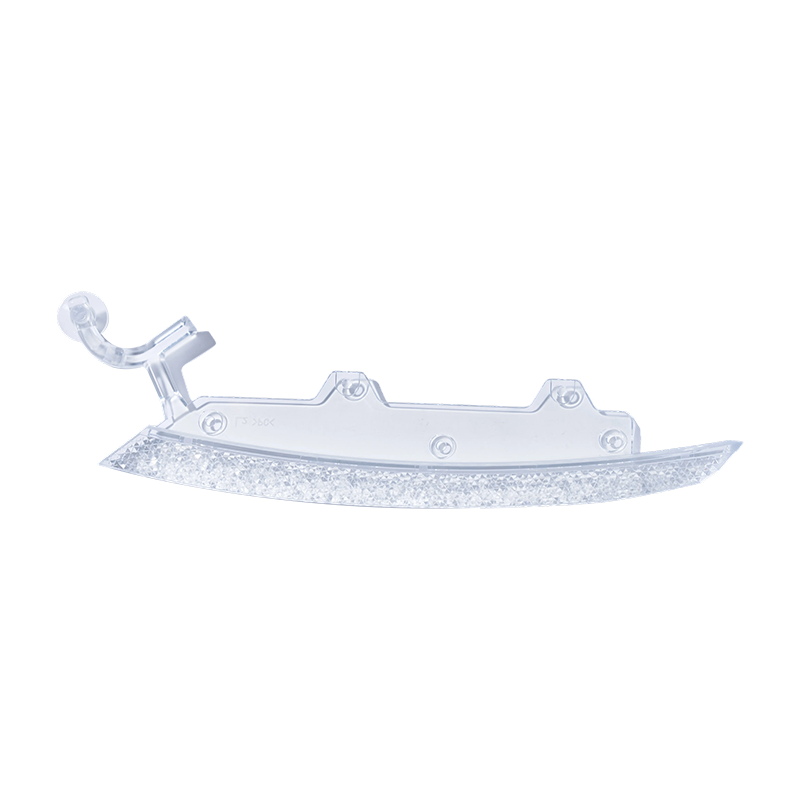
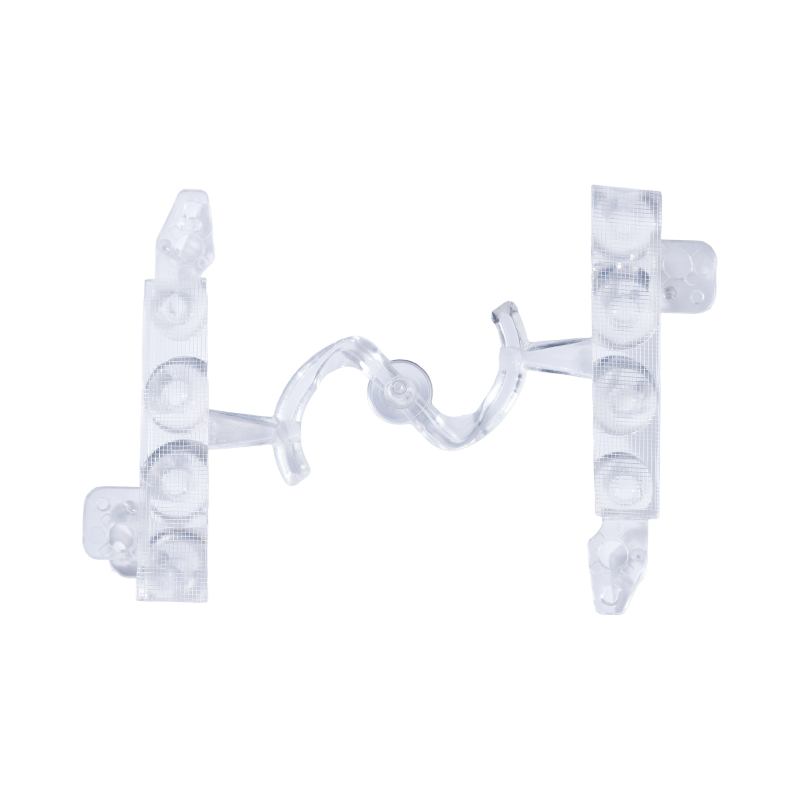
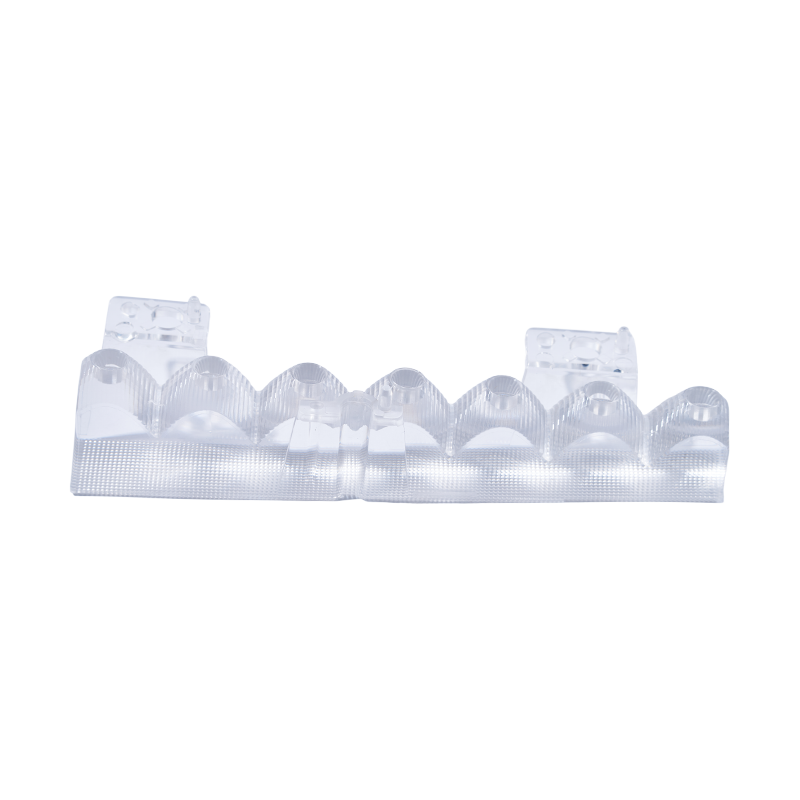
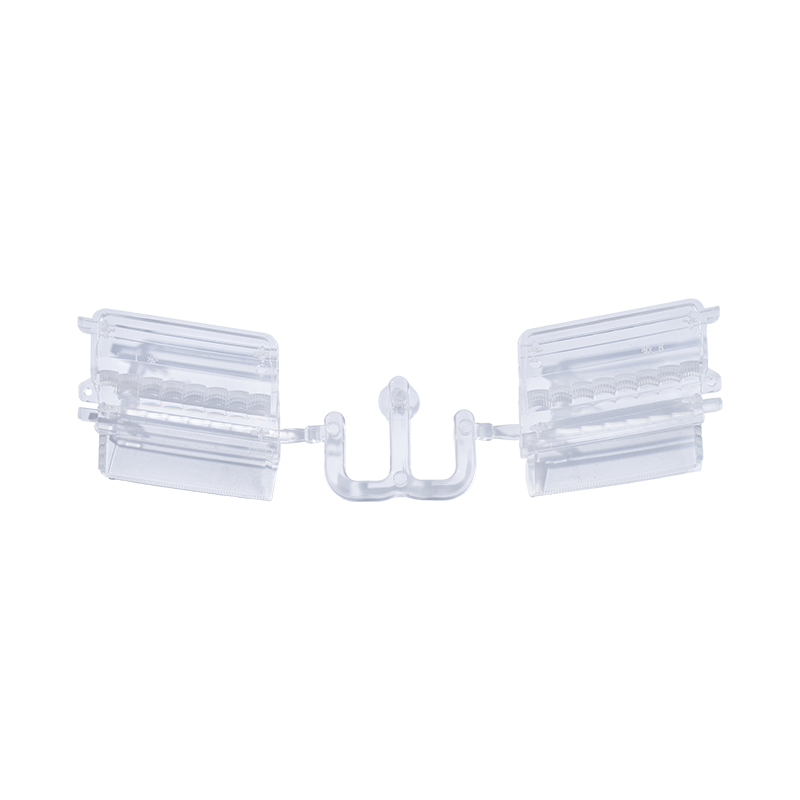
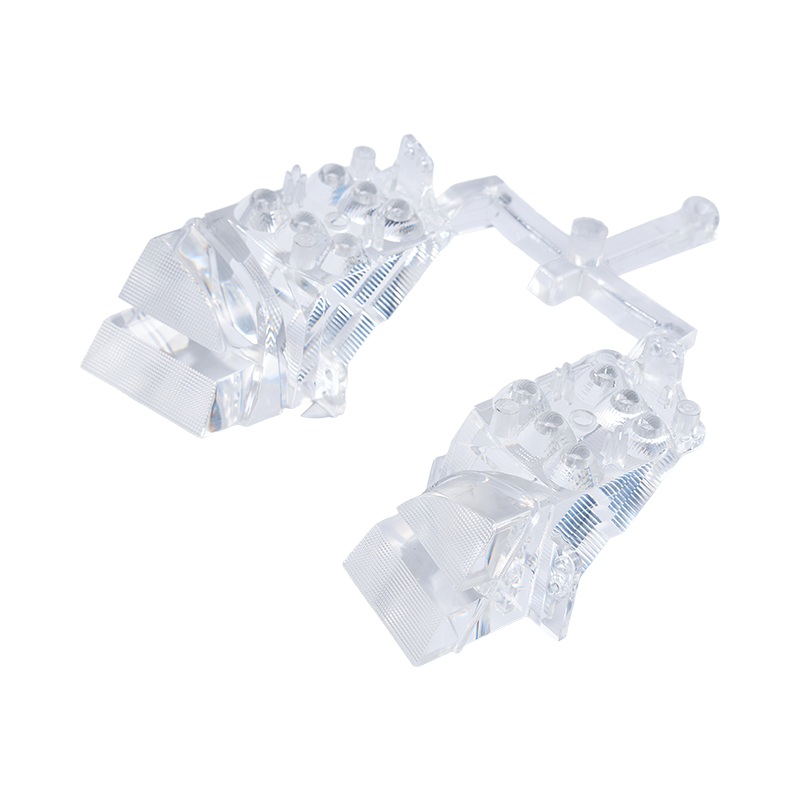
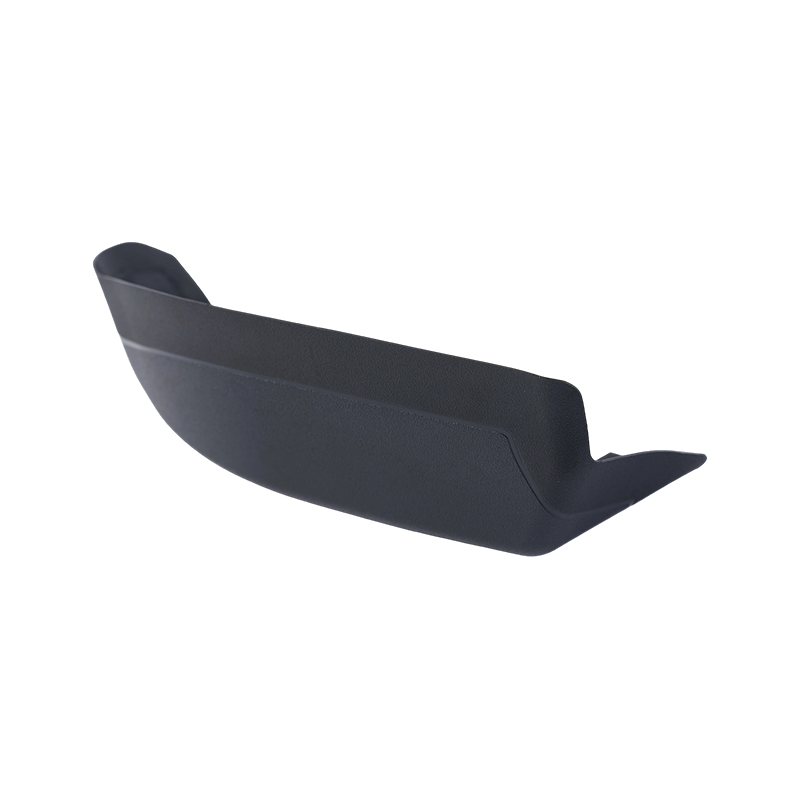
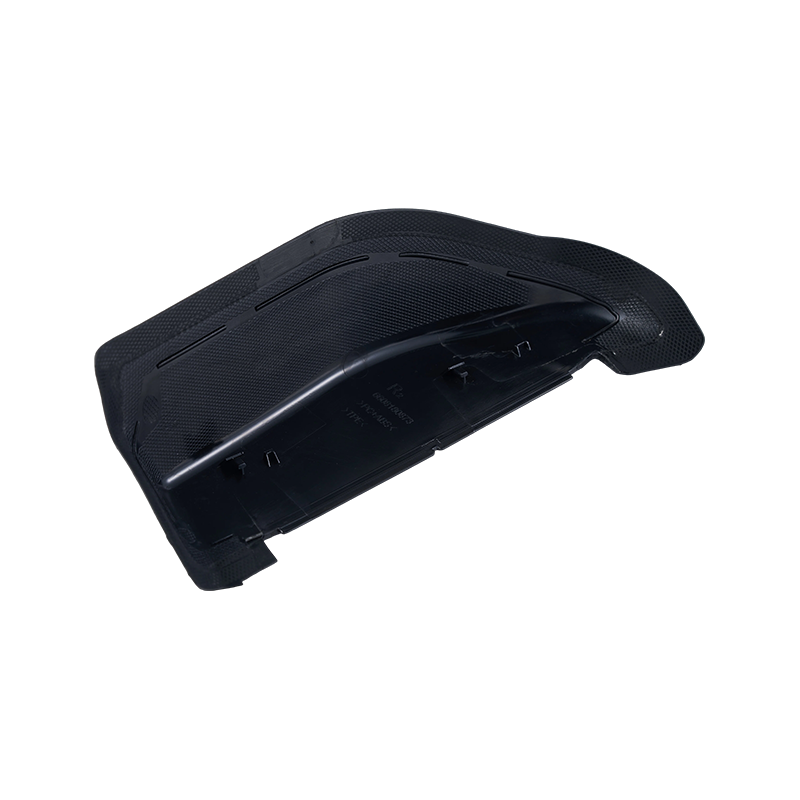
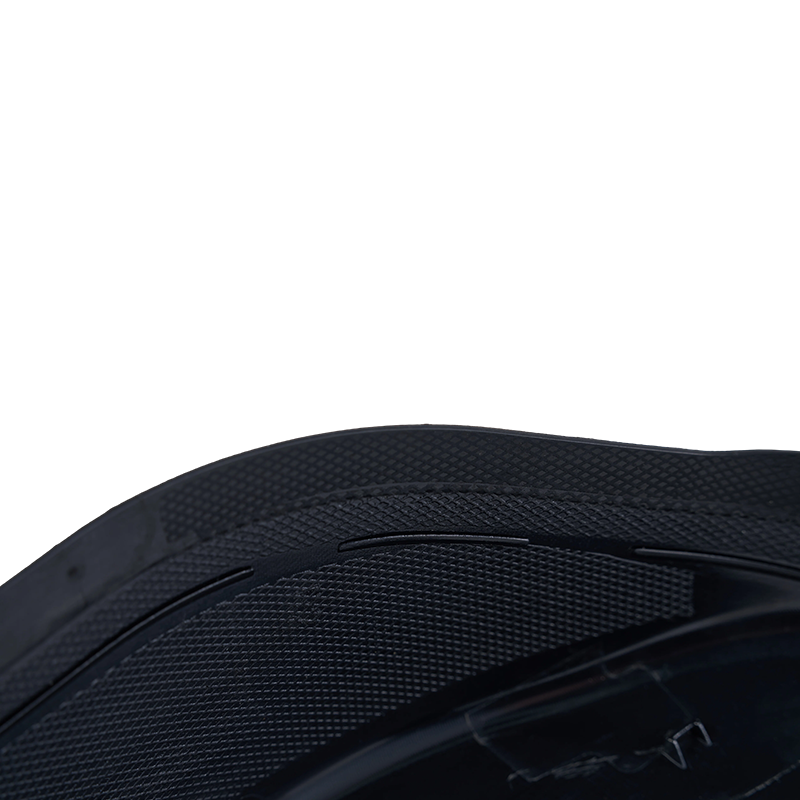
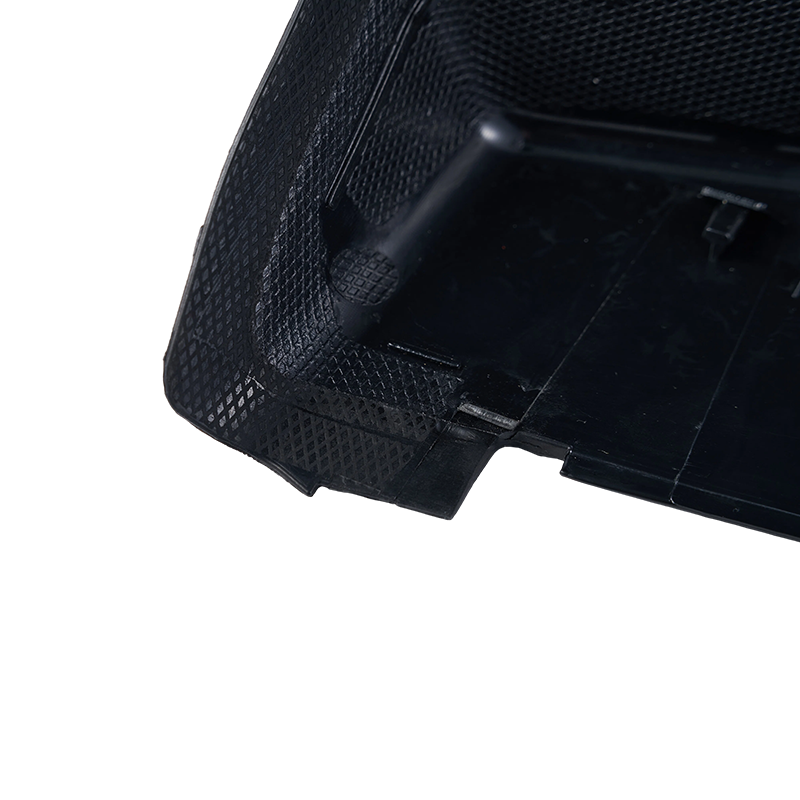
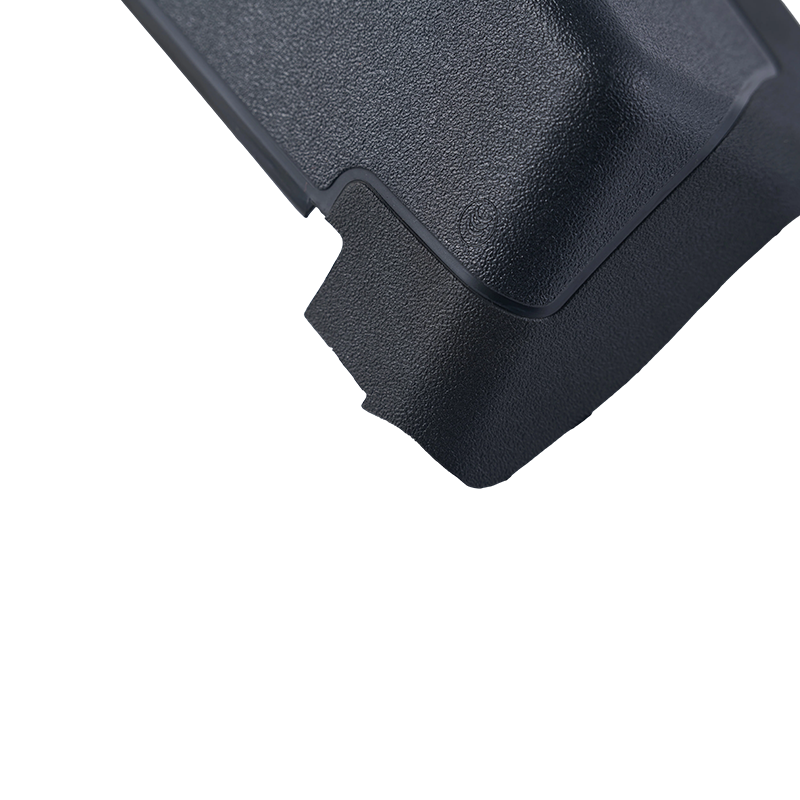
For GAC Toyota Tail Lamp Protective Cover projects, the engineering discussion covers part geometry, the specified resin, optical or appearance surfaces and assembly interfaces. The mold structure, surface finish and inspection scope are reviewed against the confirmed design and production conditions.
Support for GAC Toyota Tail Lamp Protective Cover covers the agreed tooling scope, project documents and mold trial requirements. Drawing revisions, inspection items and sample acceptance criteria guide communication through design review, manufacture and trial approval.