Home / Product / Other Mold / Volkswagen Golf Front Screen Lamp Photometric Lens

Volkswagen Golf 2K Lens Mold & Optical Texture

Volkswagen Golf Front Screen Lamp Photometric Lens

Part Material: PC
Mold Steel: 2343
Key Requirement: Optical texture with stable light transmission and uniform visual effect
Mold Life: 500,000+ Shots
DFM Review: 7 Days
Mold Design: 7 Days After Data Freeze
Mold Manufacturing: 60 Days After Material Preparation Instruction Issued
T0 Trial: Based on Mold Complexity
Modification & Validation: According to Trial Result
Shipment: After Sample Approval
Reports: DFM, Mold Flow, CMM, Trial Report
Application: Tier 1 Supplier, Volkswagen Golf

  • Challenge and Solution
  • Challenge: Optical Texture Along a Narrow Lens Profile

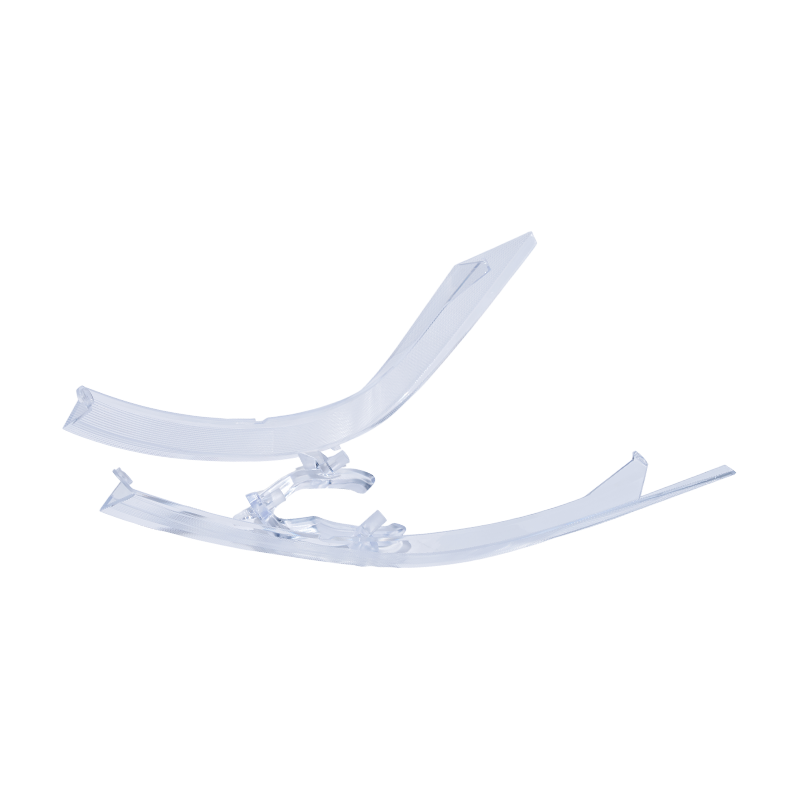
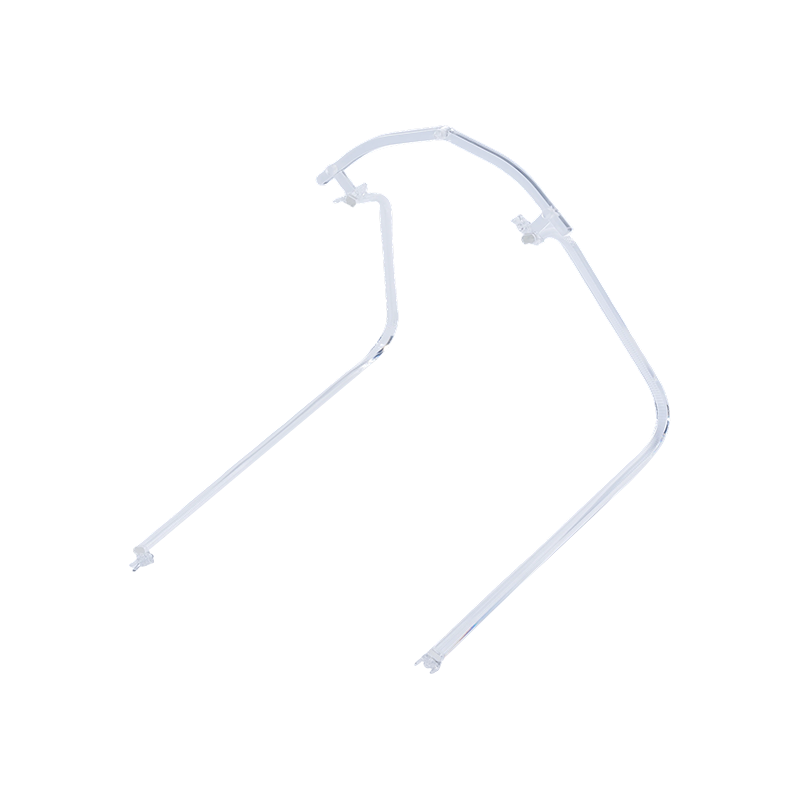
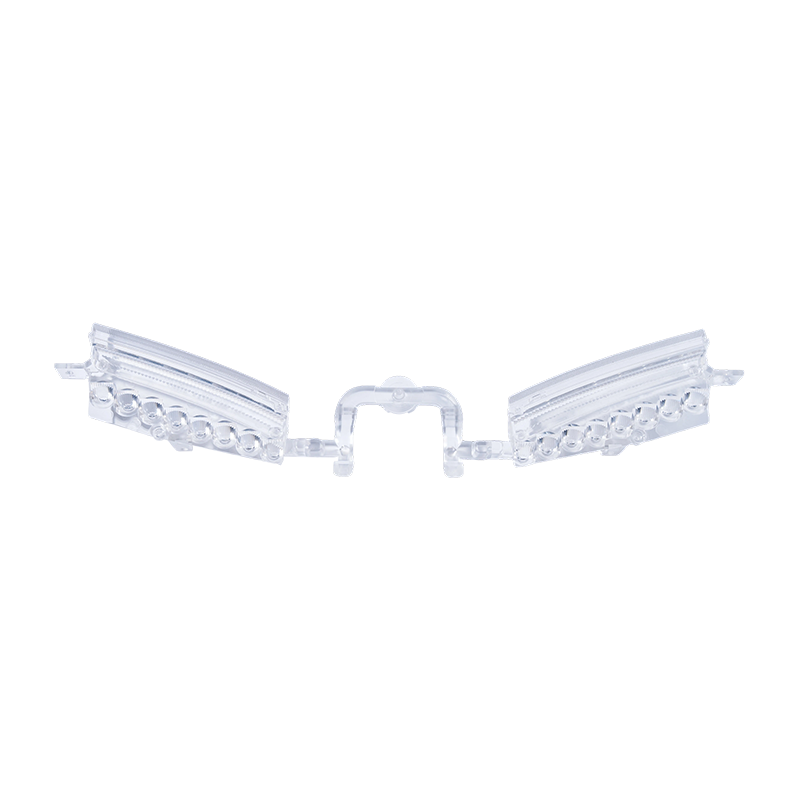
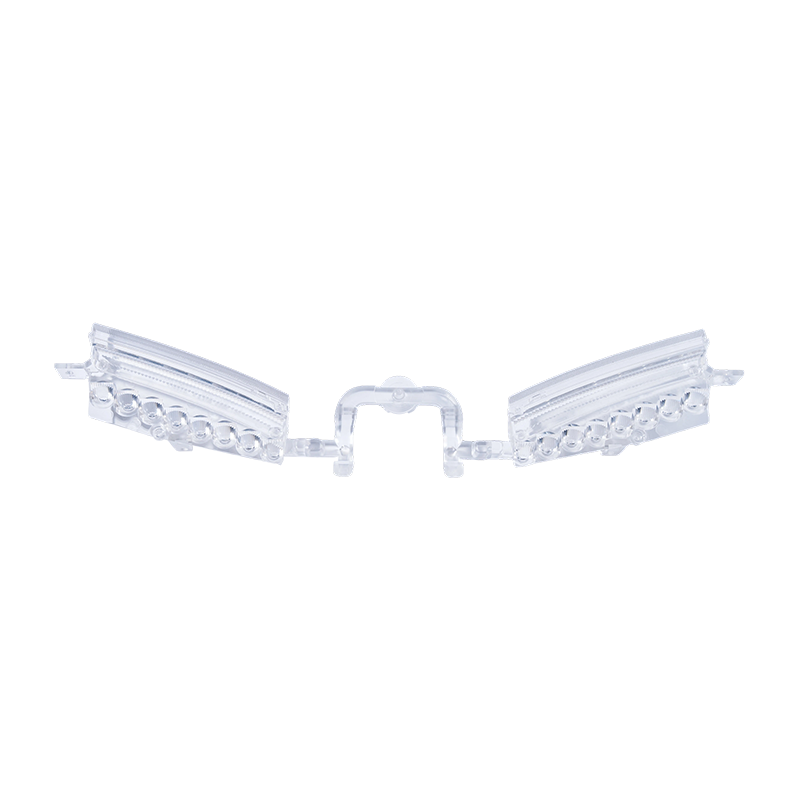
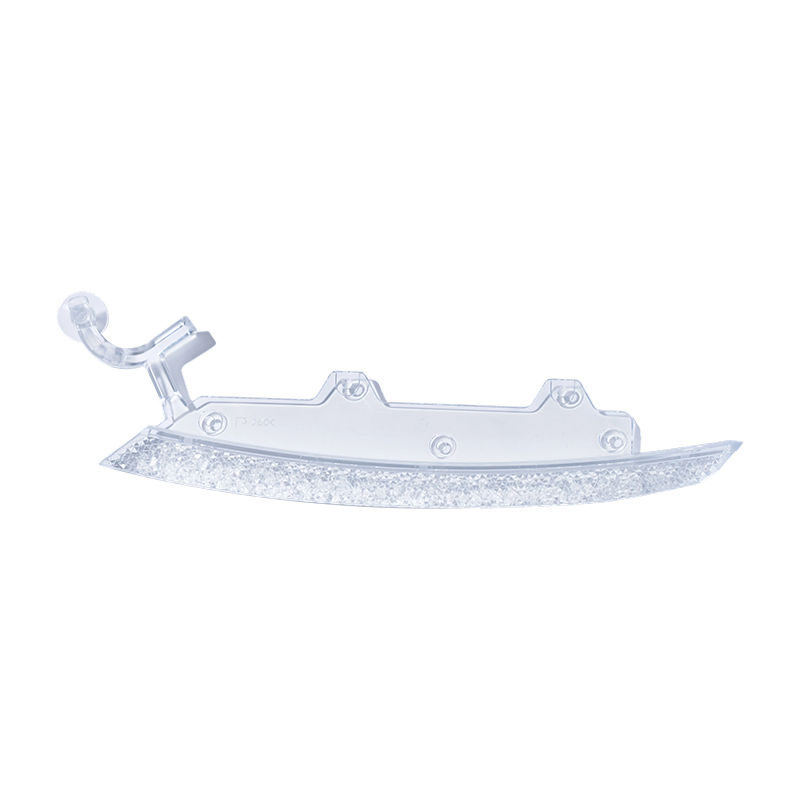
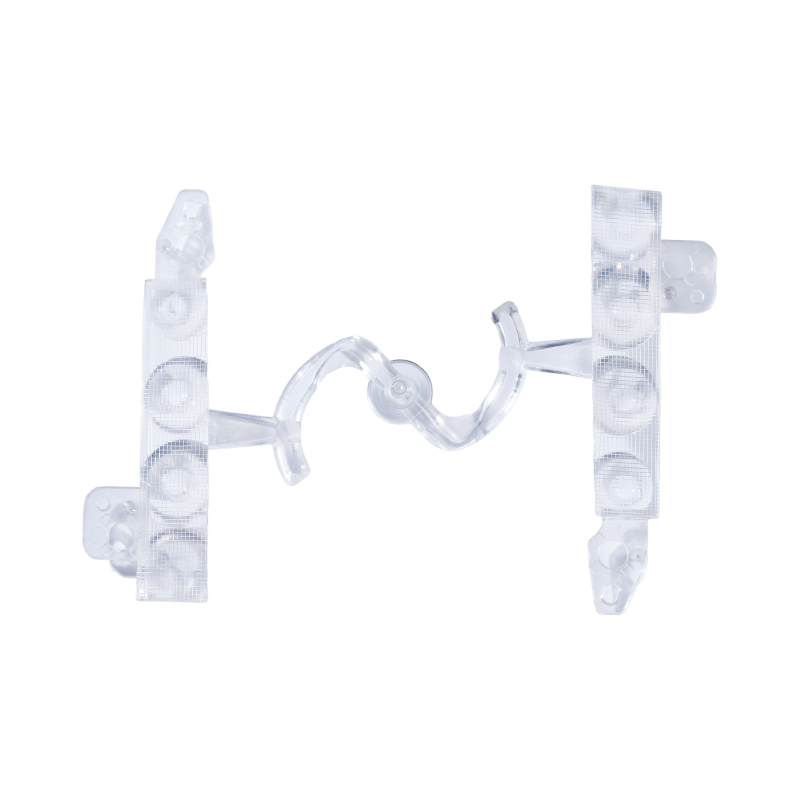
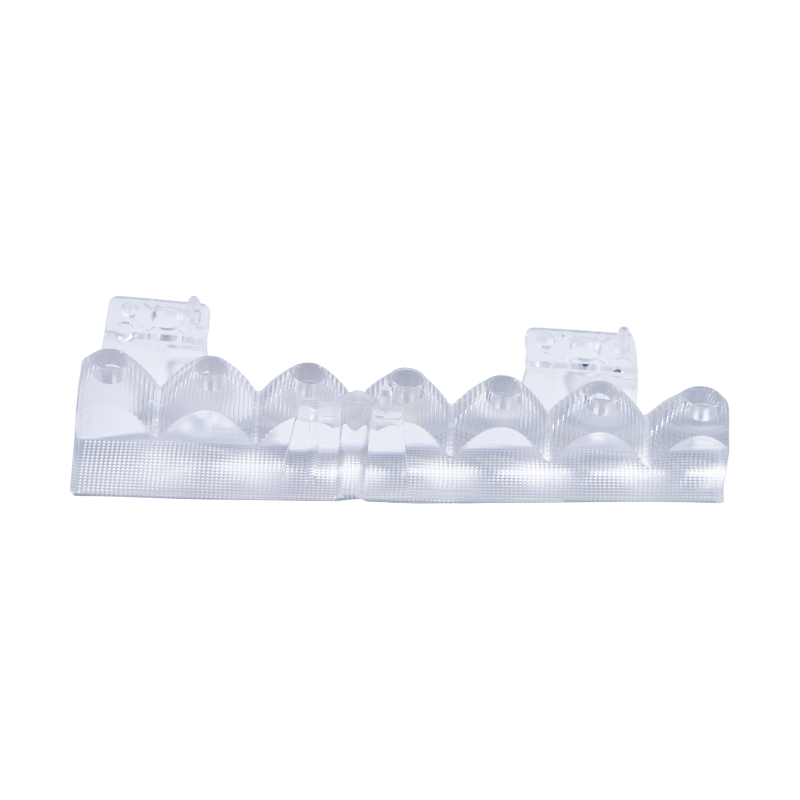
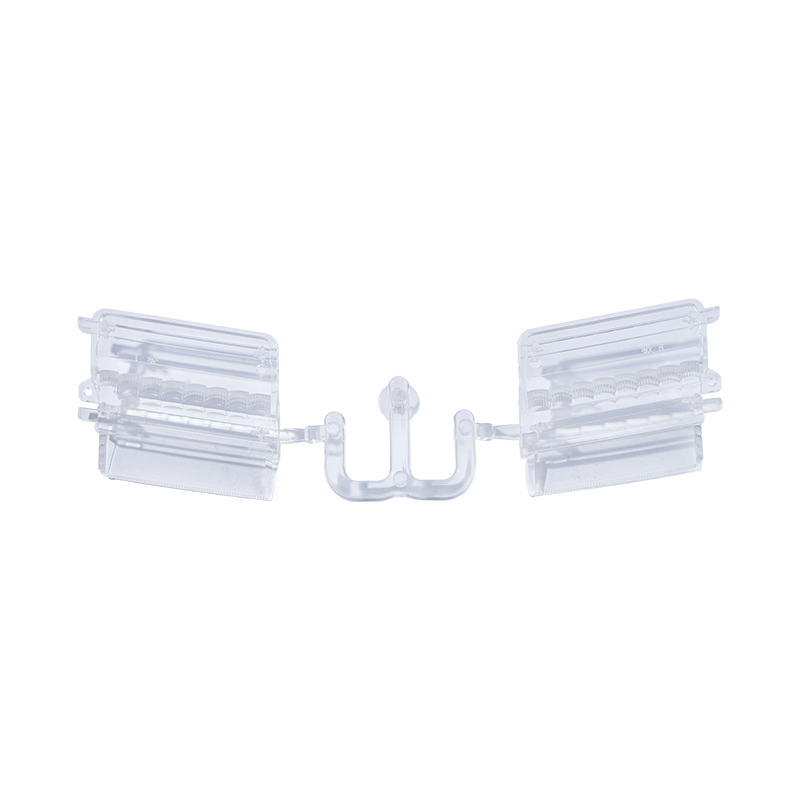
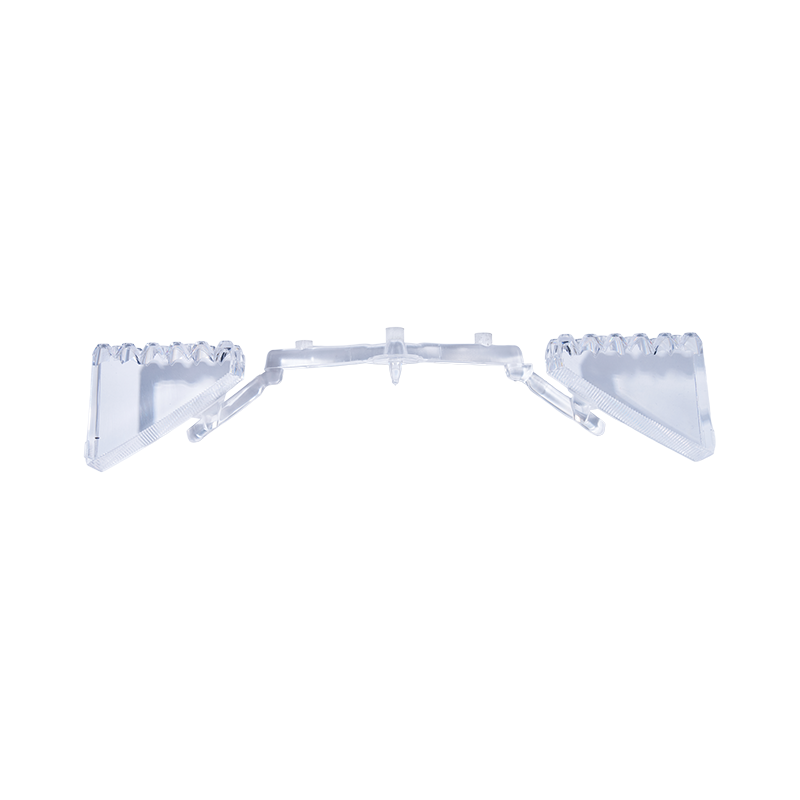
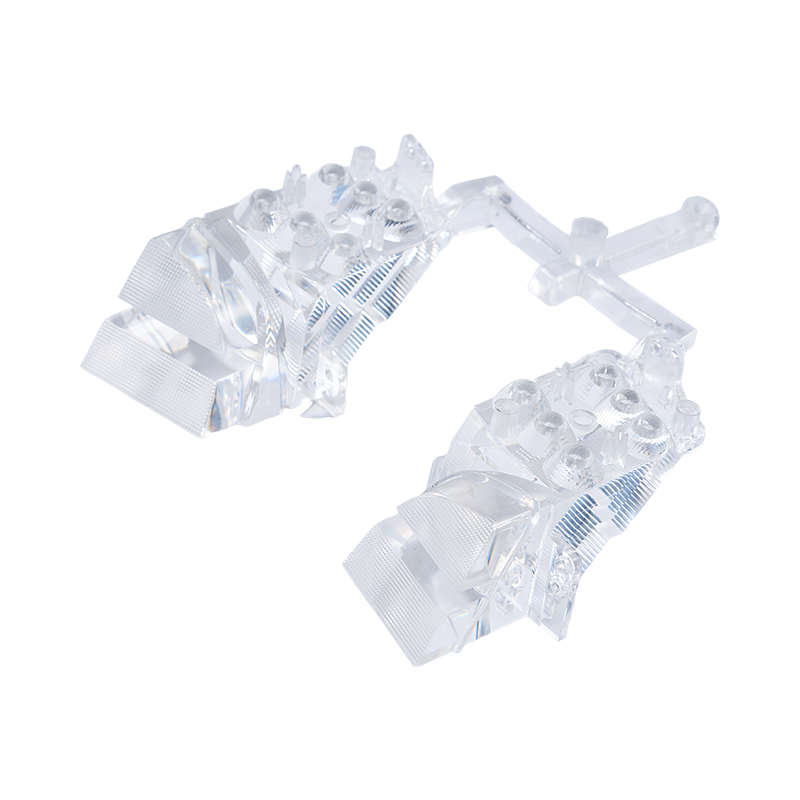
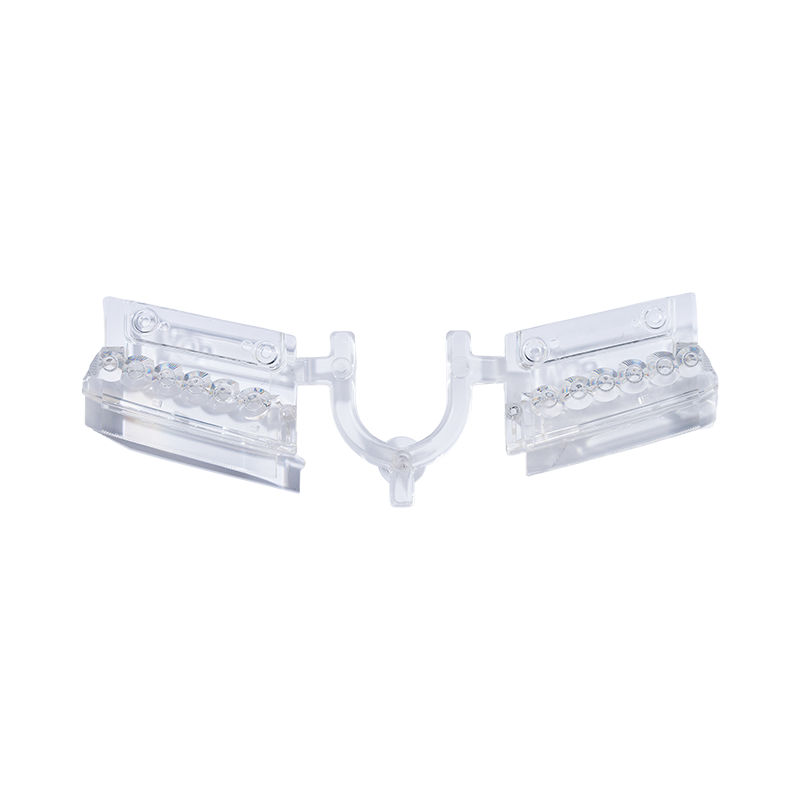
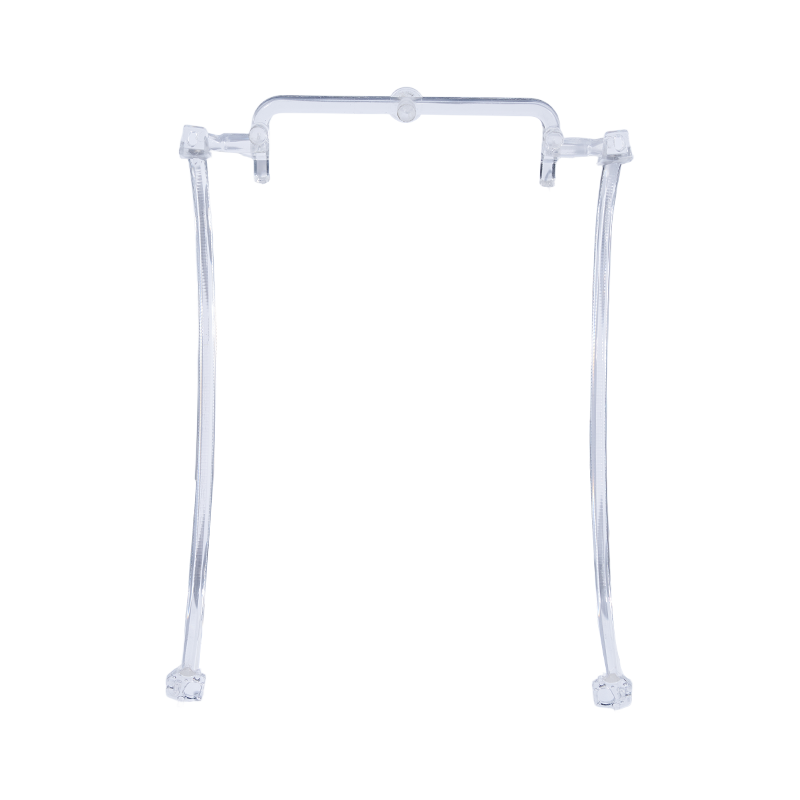
    This two-shot PC lamp lens has a long, narrow profile with a black surround, a strip-shaped viewing area and projecting mounting tabs. Close-up photographs show repeated surface details within the strip. The specified requirement is optical texture with stable light transmission and a uniform visual effect. The tooling review therefore needs to connect local texture detail with the overall lens contour and assembly references.

    For this 2K optical texture lens mold, the released drawing should identify the optical surface, texture boundaries and the intended interface between shots. Photographs provide useful shape references, but the texture dimensions, orientation and light-output acceptance must come from approved product data.

    Solution: Review Texture, Lens Profile and Mounting References Together

    The engineering review can be organized around four connected checks:

    • Texture definition and release: confirm the texture direction, pattern transitions and surface zones before selecting machining and finishing methods. Review tool access and release against the specified detail so that finishing does not unintentionally alter the optical pattern.
    • Flow across the narrow viewing strip: assess gate and vent positions against the visible surface and texture. Use mold-flow review to identify locations requiring attention during trials; do not treat simulation alone as proof of lighting performance.
    • Long profile and shot alignment: review support, cooling, parting and ejection proposals against the approved contour. Define how the strip boundary and overall shape will be checked after molding.
    • Mounting tabs and end transitions: use agreed assembly datums to inspect hole positions, end geometry and the relationship between the viewing strip and mounting features.

    Trial review should compare texture replication, appearance and dimensional results with the agreed references. Any required optical or assembled-lamp tests need their own acceptance plan. For related tooling applications, see our car light distribution lens molds.

  • Why Choose Us
  • Tooling Review for a Textured Lens Strip

    • Texture linked to part data: review pattern direction, transitions and permitted mold-contact zones against the released design, rather than treating the whole strip as a general polished surface.
    • Two-shot geometry considered together: assess the lens boundary and supporting surround as part of the tooling proposal. The resin grade, shot allocation and molding conditions are confirmed for the project.
    • Assembly references included: connect the long profile, end details and mounting-hole locations to the agreed inspection datums.
    • Trial documents tied to acceptance: the listed DFM, mold-flow, CMM and trial reports support review of the agreed requirements. Optical test scope and pass criteria should be defined separately where required.

    See our 2K mold tooling page for the wider process scope.

  • Send Your Drawing for Free DFM Review
  • For a review of this long PC lamp lens tooling, send the released 2D/3D data, PC grade and shot allocation, optical texture specification, viewing-area boundaries, mounting datums and matching-part references. Include expected volume, machine information and the required dimensional, appearance and optical checks. Use the contact page to discuss drawing transfer and the mold project scope.

About
Taizhou Renxin Mould Co., Ltd.

Founded in 2013, Renxin Mould specializes in the design and manufacture of automotive lighting molds. Our tooling scope includes lenses, light guides, bezels, housings and other lamp components, with two-shot, three-color and overmolding mold solutions. Engineering support includes DFM review, mold-flow analysis, mold design, machining, fitting and mold trials according to project requirements.

For 2K optical texture lens mold projects, the engineering discussion covers part geometry, the specified resin, optical or appearance surfaces and assembly interfaces. The mold structure, surface finish and inspection scope are reviewed against the confirmed design and production conditions.

Support for long PC lamp lens tooling covers the agreed tooling scope, project documents and mold trial requirements. Drawing revisions, inspection items and sample acceptance criteria guide communication through design review, manufacture and trial approval.