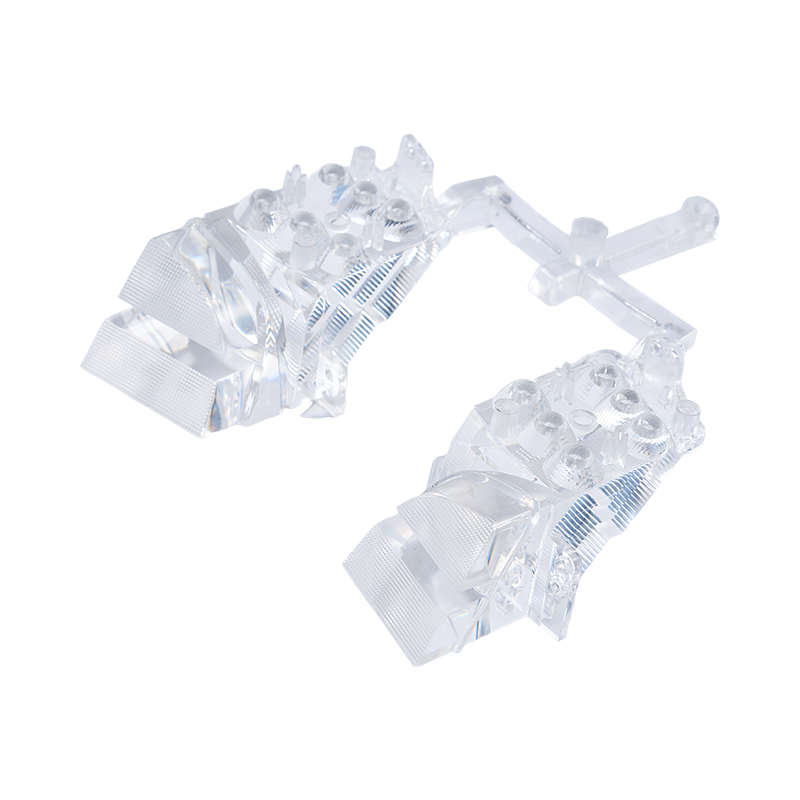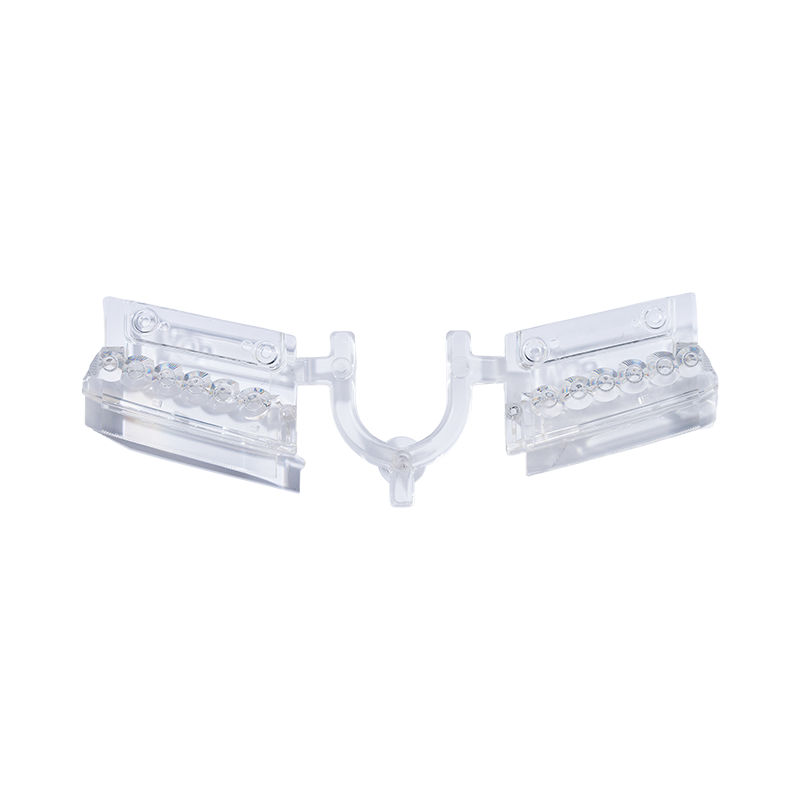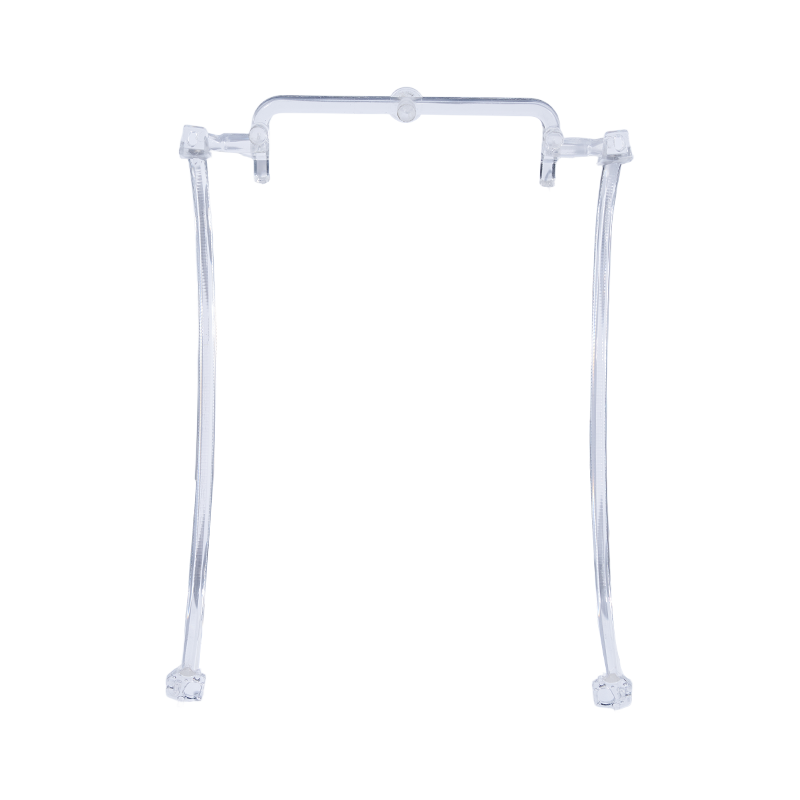
Home / Product / Taillights Mold / ONVO Tail Lamp Protective Cover

Two-Shot Tail Lamp Cover Mold & Texture Review

ONVO Tail Lamp Protective Cover

Part Material: ABS + PC + TPE
Mold Steel: 718
Key Requirement: Stable two-shot molding with uniform textured surface quality and excellent appearance consistency
Mold Life: 500,000+ Shots
DFM Review: 7 Days
Mold Design: 7 Days After Data Freeze
Mold Manufacturing: 60 Days After Material Preparation Instruction Issued
T0 Trial: Based on Mold Complexity
Modification & Validation: According to Trial Result
Shipment: After Sample Approval
Reports: DFM, Mold Flow, CMM, Trial Report
Application: Tier 1 Supplier, ONVO

  • Challenge and Solution
  • Challenge: Texture Consistency Across a Contoured Protective Cover

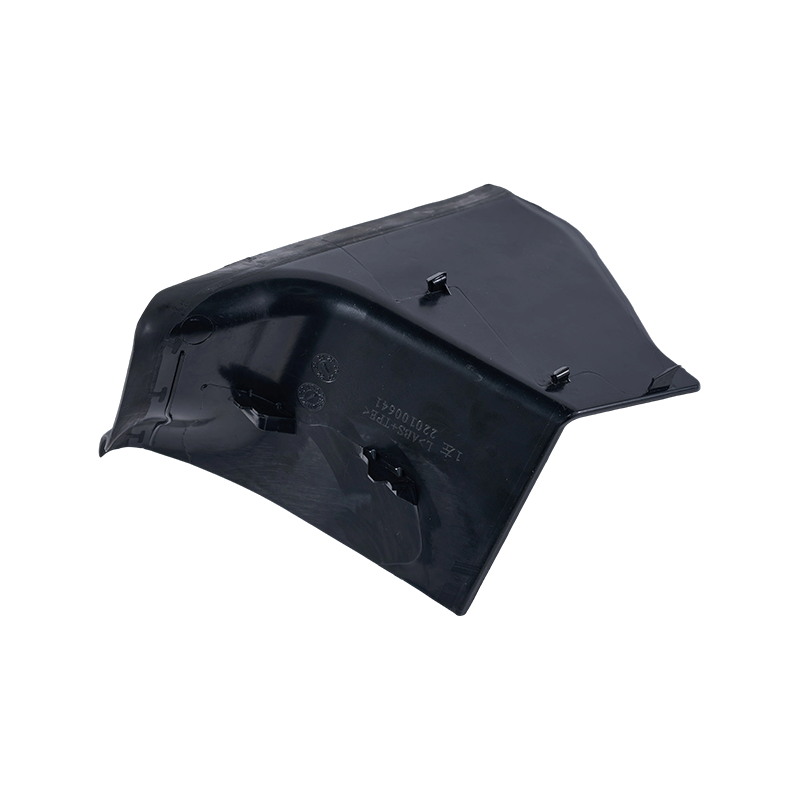
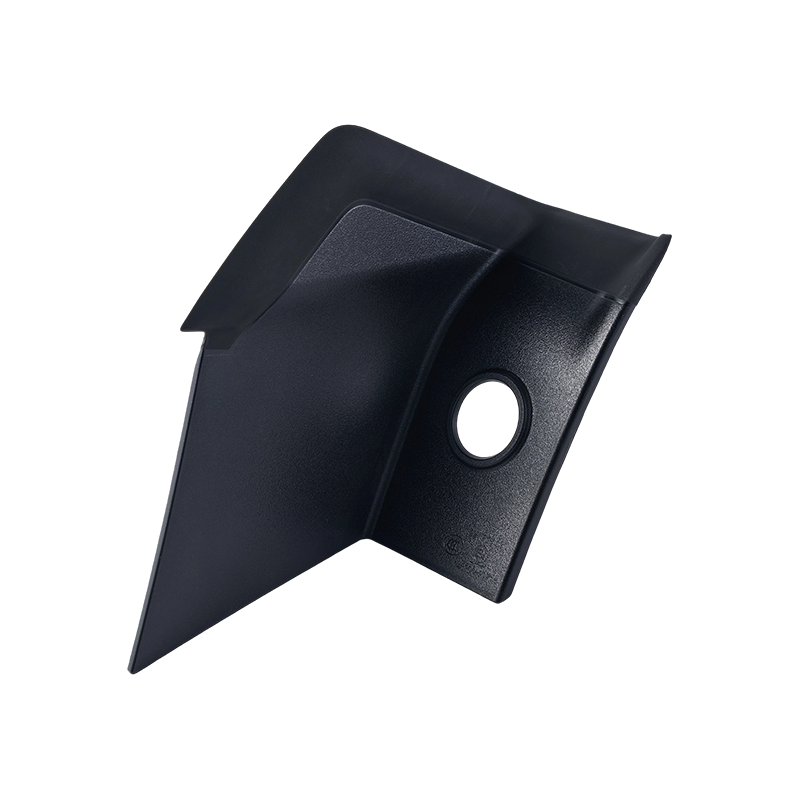
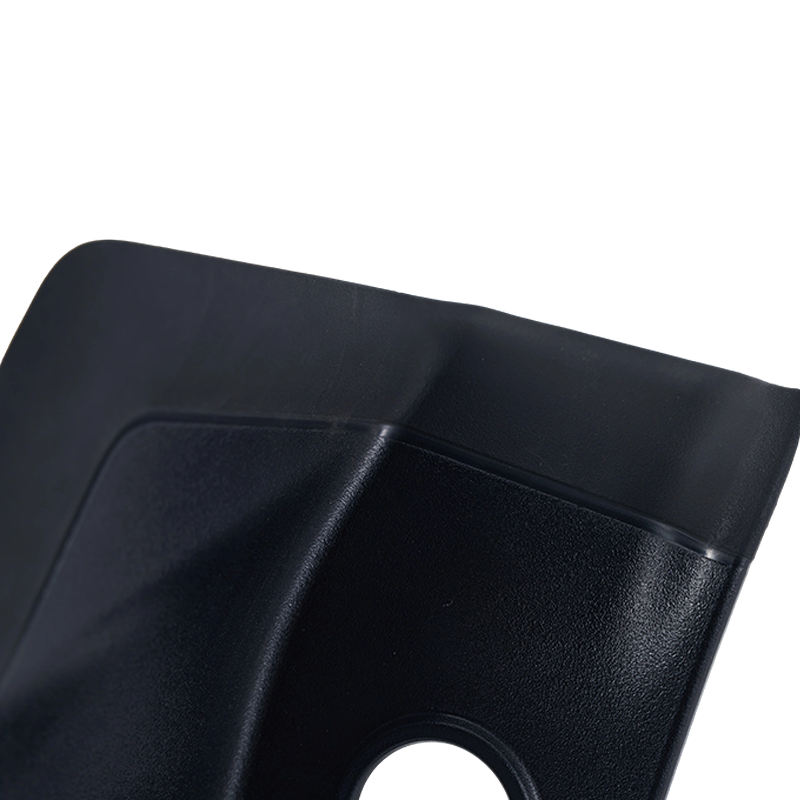
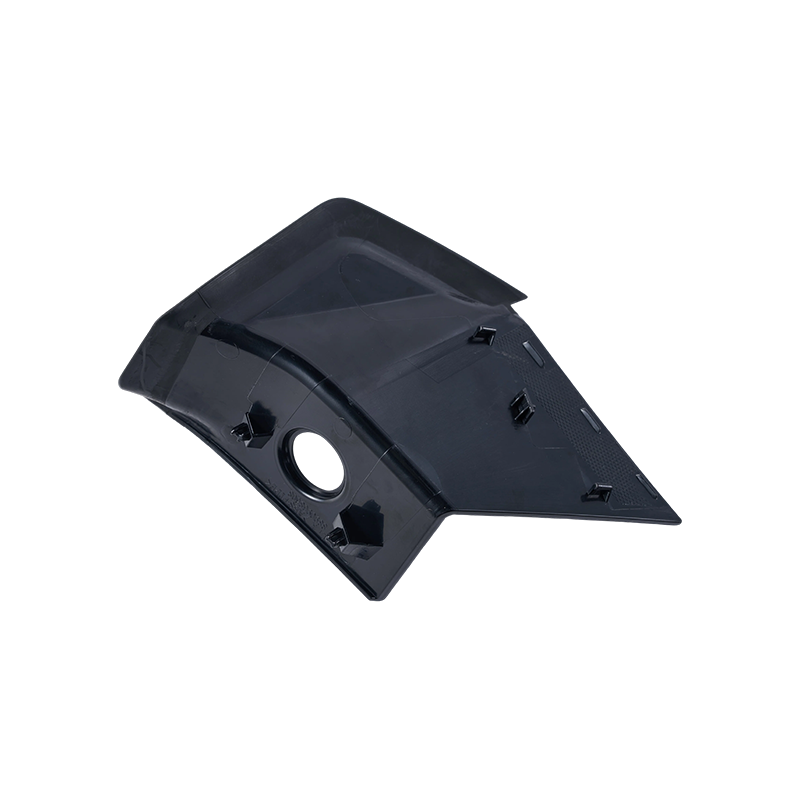
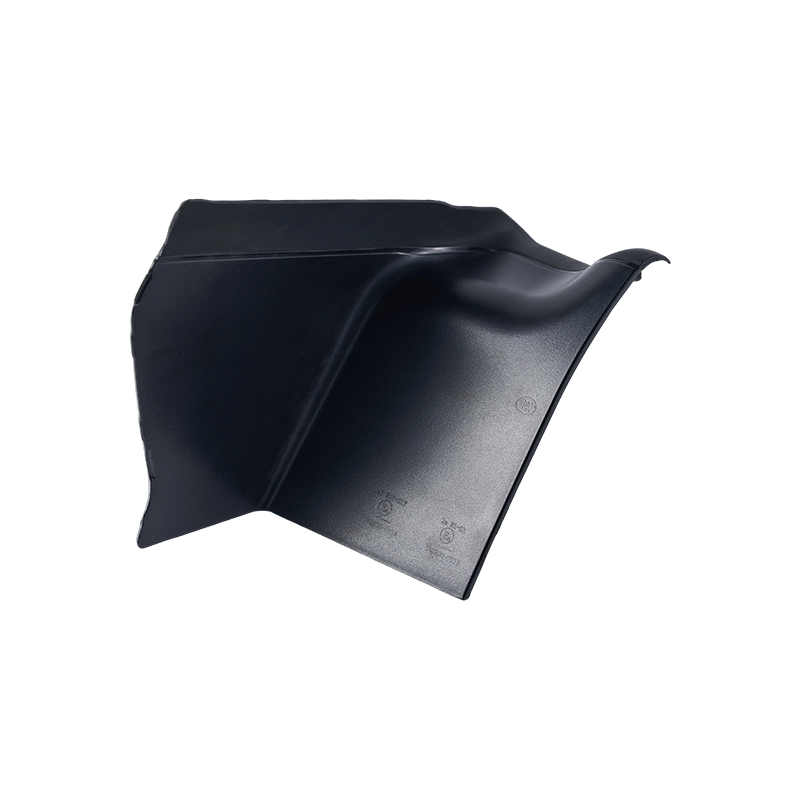
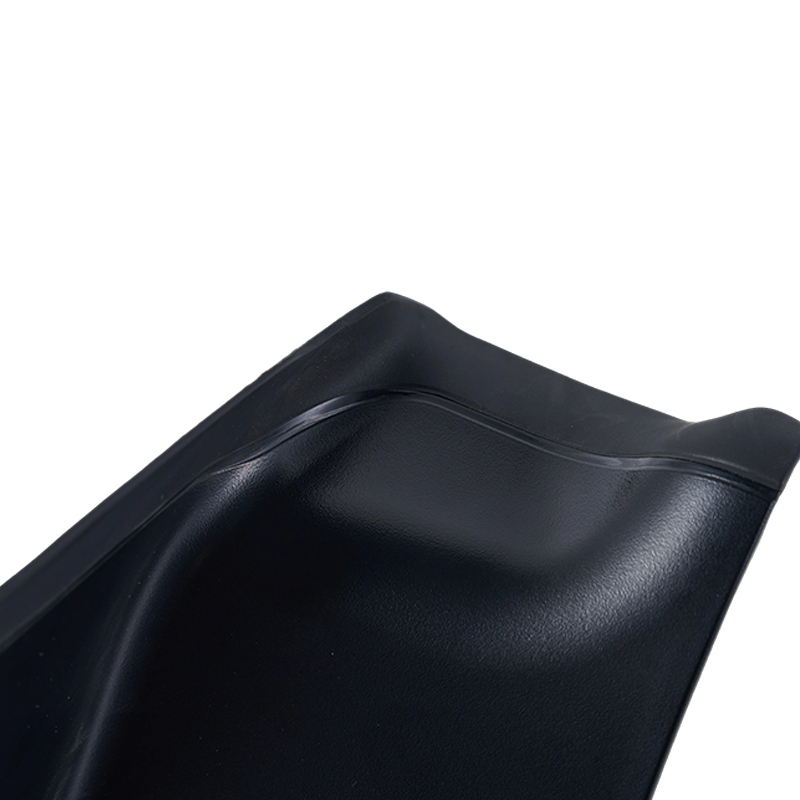
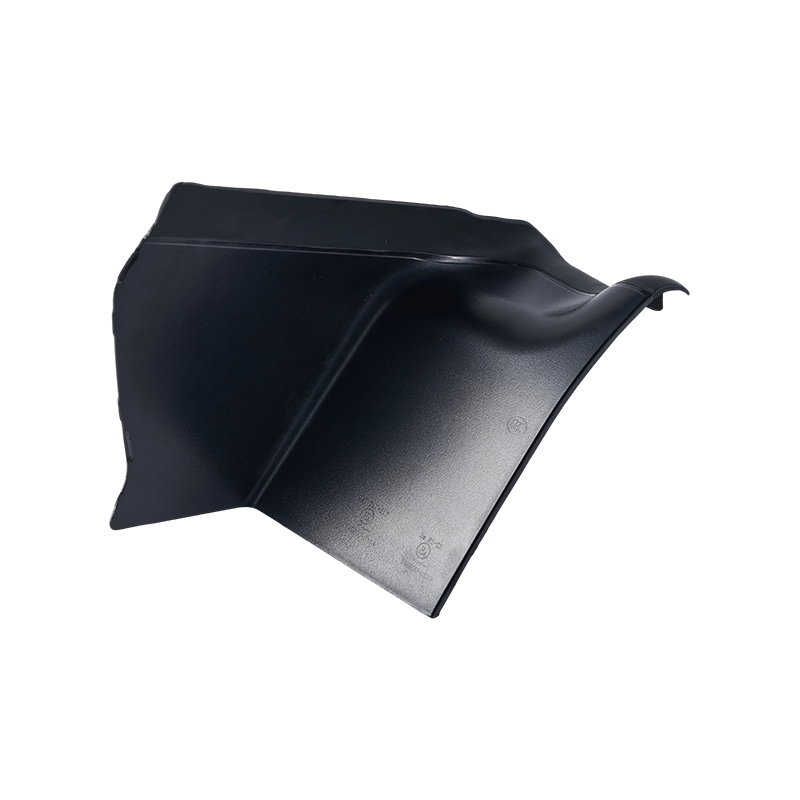
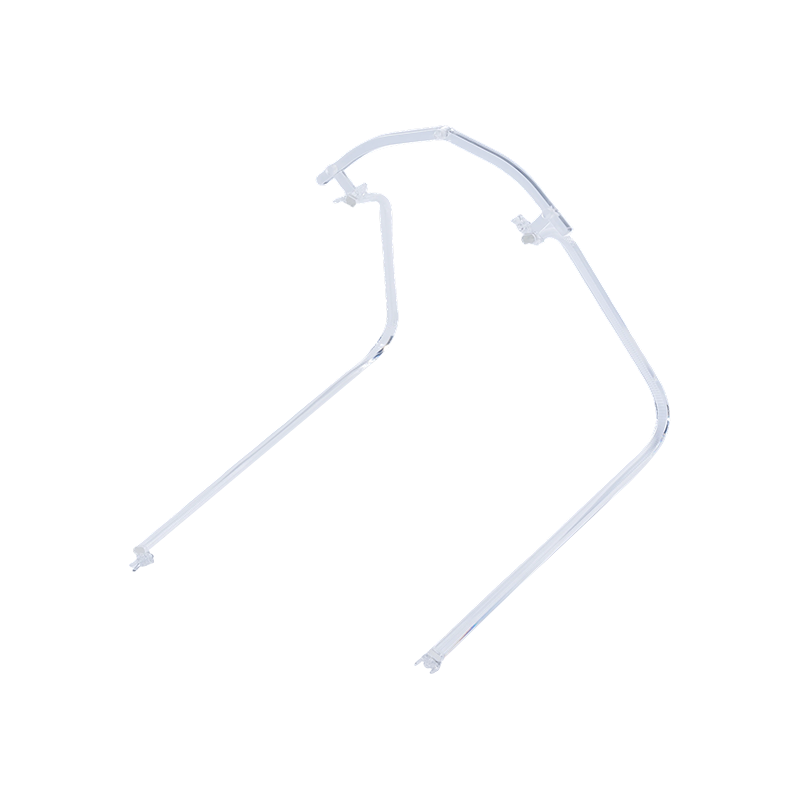
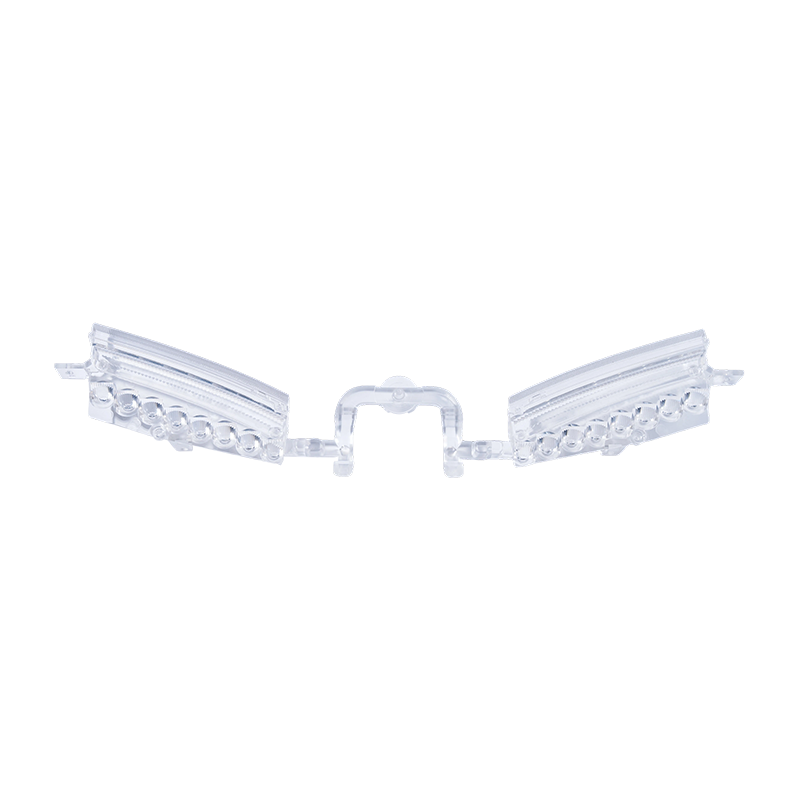
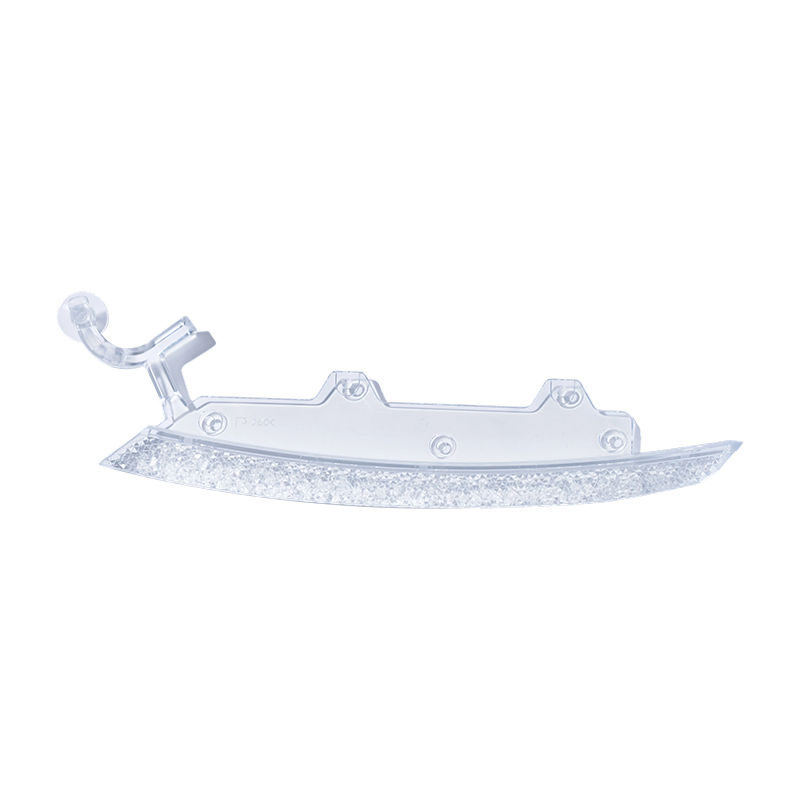
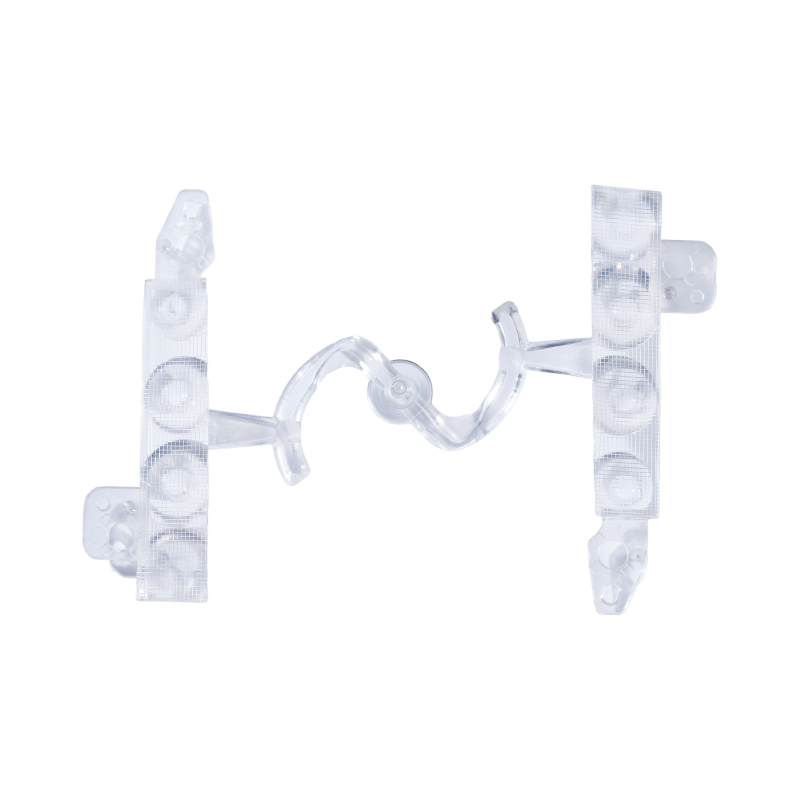
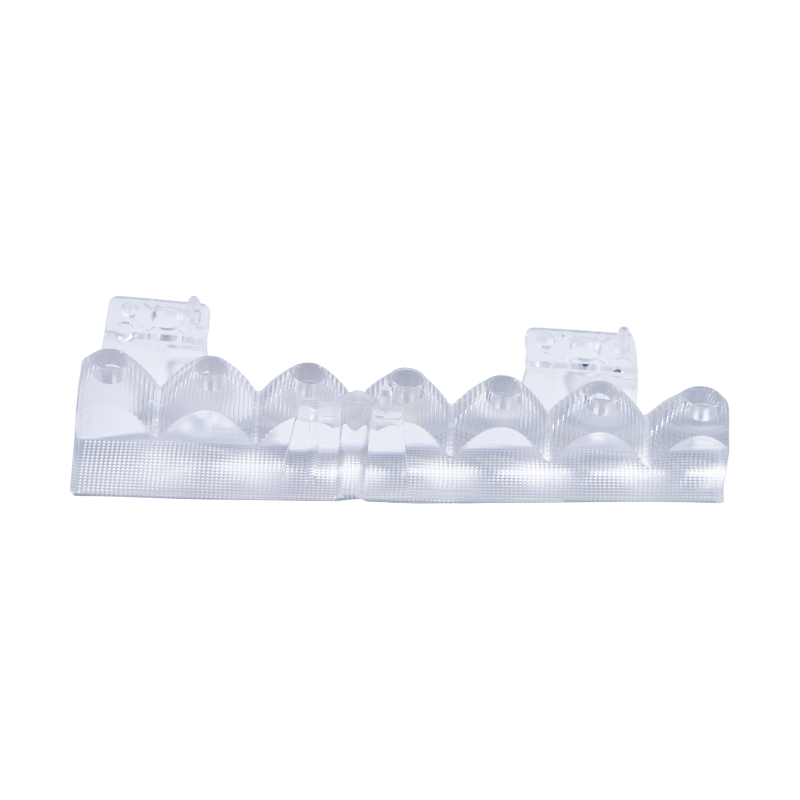
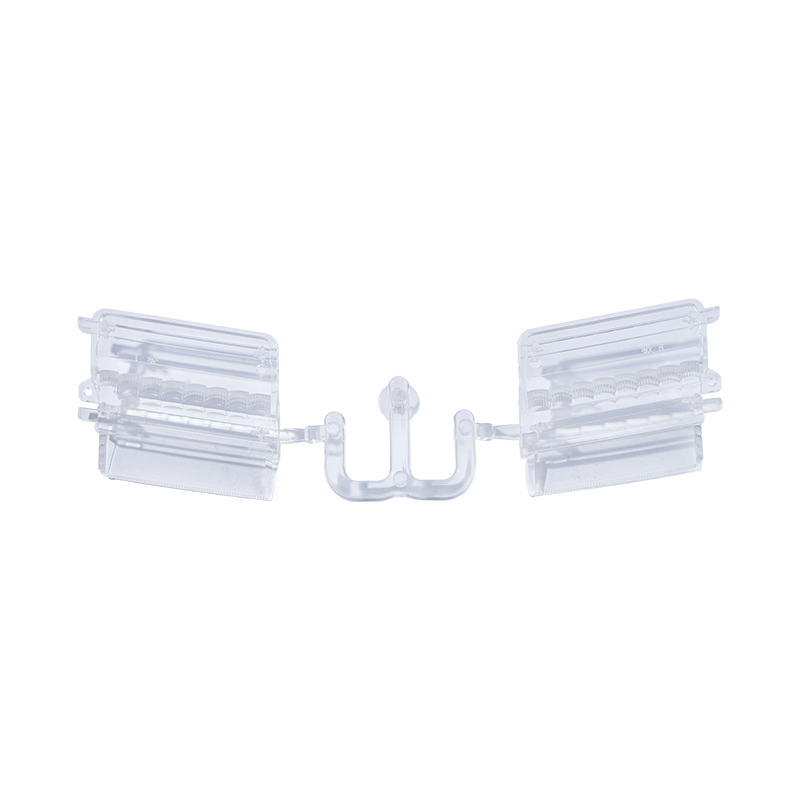
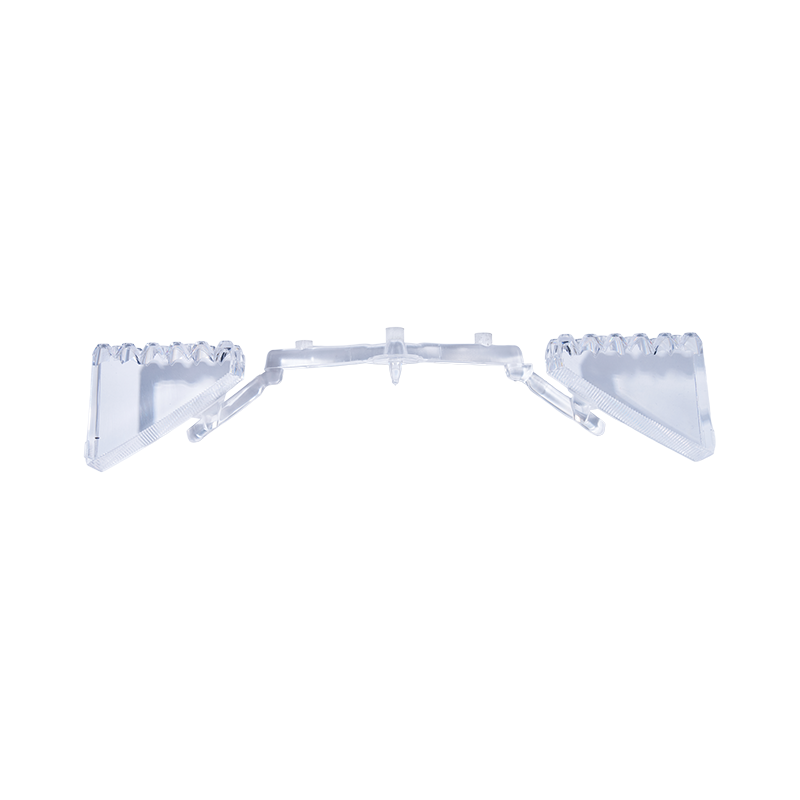
    This project concerns a two-shot protective cover mold for a tail lamp component. The sample photographs show a contoured black cover with textured areas, a smoother border and attachment features on the rear. The tooling discussion needs to distinguish the intended surface pattern from marks introduced during molding or removal from the tool.

    Texture appearance should be reviewed across the broad face and its curved transitions, rather than at one flat location. The released drawing should also identify the cover perimeter, rear attachment references and any specified opening. These details need their own fit and dimensional criteria alongside the appearance requirements.

    Solution: Define Surface Zones, Material Interfaces and Fit Checks

    Before detailing the tool, map the textured and smoother areas on the part data. Confirm the actual material specification for each shot and mark the intended interface. The material schedule should identify the resin grades represented by ABS, PC and TPE and their allocation within the agreed two-shot process.

    • Textured face and smoother border: agree the texture reference, pattern boundary and viewing conditions. Identify where gate, parting or ejection marks are permitted, so that intentional changes in finish are assessed separately from defects.
    • Raised contours and curved edges: review the proposed demolding direction, part support and surface-contact locations. Check the finished perimeter against the mating assembly and the approved appearance zones.
    • Rear attachment features and specified openings: mark the functional references and local dimensional checks on the released revision. Review these areas separately from the visible textured face.

    At trial review, compare texture, surface transitions, the shot interface and assembly fit with the agreed reference and drawing. Record the part revision and trial conditions with any requested correction. The wider component scope is covered by our car light protective cover mold page.

  • Why Choose Us
  • Tooling Support for This Textured Tail Lamp Cover

    • Texture approval linked to surface zones: discuss the reference grain, smoother border and curved transitions before specifying the surface work. Agree how appearance will be checked across the cover.
    • Material allocation kept explicit: review the grades represented by the ABS, PC and TPE listing, then document their assignment to each shot and the intended interface before approving the tooling specification.
    • Visible and rear features assessed separately: distinguish appearance criteria from the fit checks for the perimeter, attachment features and any opening defined by the drawing.
    • Project reports matched to acceptance items: use the listed DFM, mold-flow, CMM and trial reports to agree which geometry, surface and interface checks belong in the project documentation.

    For the broader process requirements, see Renxin Mould's 2K injection mold tooling page.

  • Send Your Drawing for Free DFM Review
  • For this textured tail lamp cover tooling, send the current 3D models and 2D drawings, the texture reference and the marked appearance zones. Specify the actual resin grade and color for each shot, the intended material interface, production-machine details and the fit requirements for the cover perimeter and rear attachment features.

    Contact Renxin Mould to discuss the available drawings, trial inspection scope and tooling quotation requirements.

About
Taizhou Renxin Mould Co., Ltd.

Founded in 2013, Renxin Mould specializes in the design and manufacture of automotive lighting molds. Our tooling scope includes lenses, light guides, bezels, housings and other lamp components, with two-shot, three-color and overmolding mold solutions. Engineering support includes DFM review, mold-flow analysis, mold design, machining, fitting and mold trials according to project requirements.

For 2K tail lamp protective cover mold projects, the engineering discussion covers part geometry, the specified resin, optical or appearance surfaces and assembly interfaces. The mold structure, surface finish and inspection scope are reviewed against the confirmed design and production conditions.

Support for textured tail lamp cover tooling covers the agreed tooling scope, project documents and mold trial requirements. Drawing revisions, inspection items and sample acceptance criteria guide communication through design review, manufacture and trial approval.