Home / Product / Taillights Mold / GAC Tail Lamp Protective Cover

GAC 2K Tail Lamp Cover Mold & Sand-Grain Finish

GAC Tail Lamp Protective Cover

Part Material: TPE + PP
Mold Steel: 2738
Key Requirement: Consistent standard sand-grain texture with uniform surface appearance
Mold Life: 500,000+ Shots
DFM Review: 7 Days
Mold Design: 7 Days After Data Freeze
Mold Manufacturing: 60 Days After Material Preparation Instruction Issued
T0 Trial: Based on Mold Complexity
Modification & Validation: According to Trial Result
Shipment: After Sample Approval
Reports: DFM, Mold Flow, CMM, Trial Report
Application: Tier 1 Supplier, GAC

  • Challenge and Solution
  • Challenge: Sand-Grain Appearance Across a Curved Cover

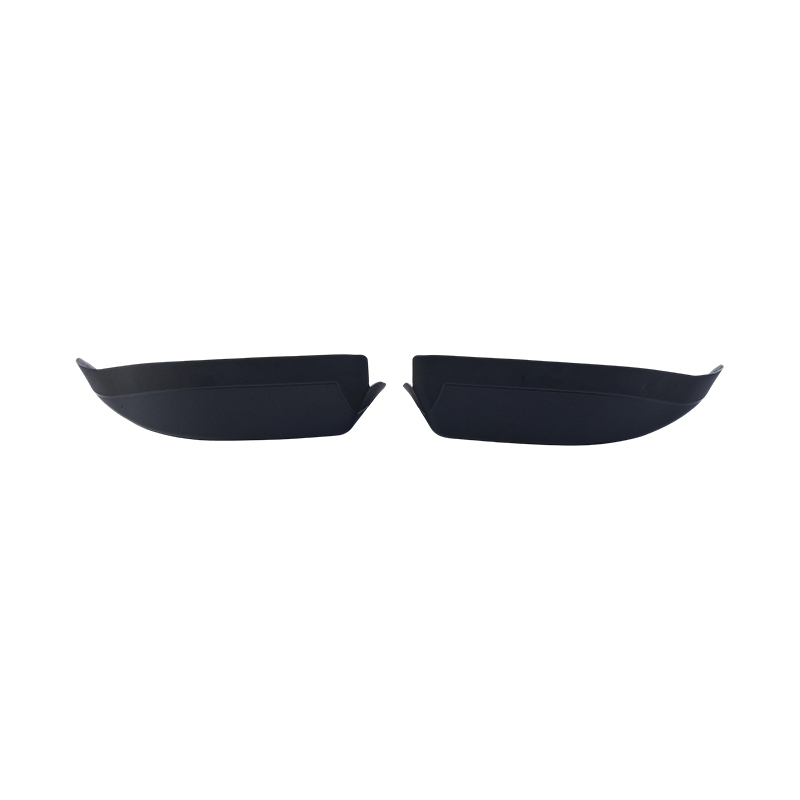
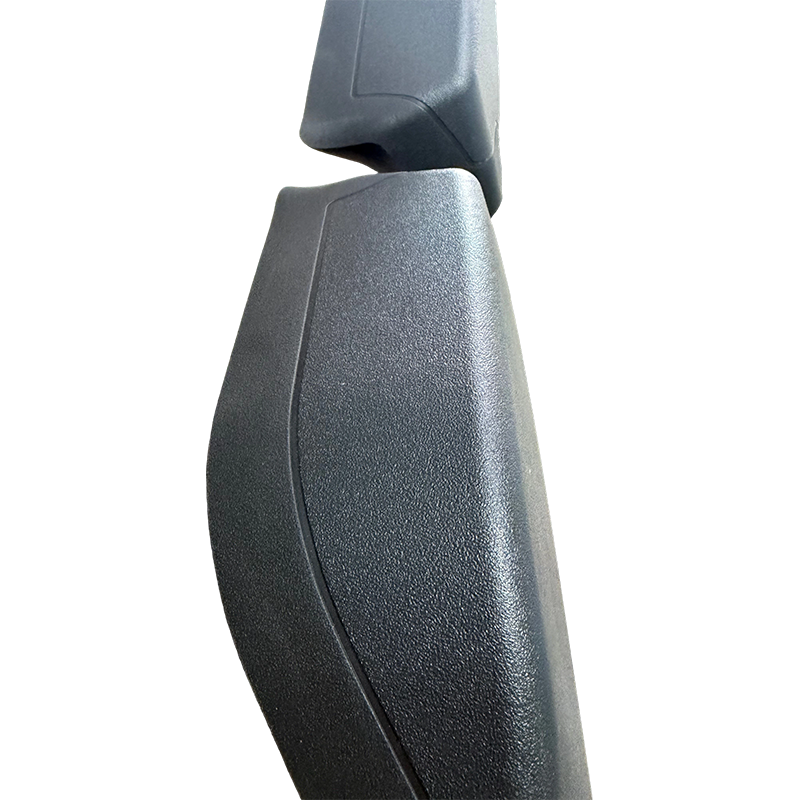
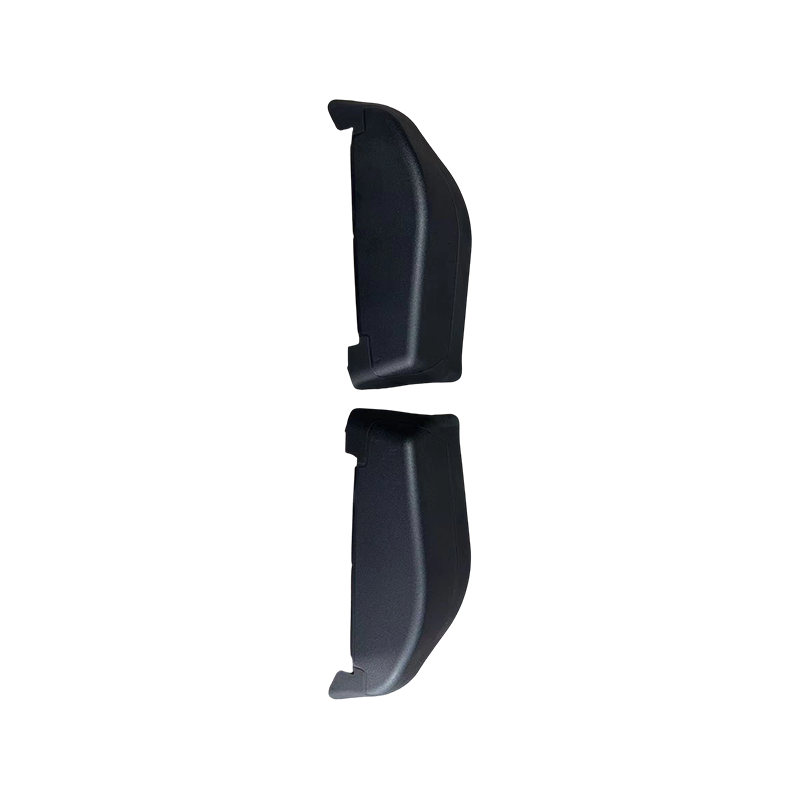
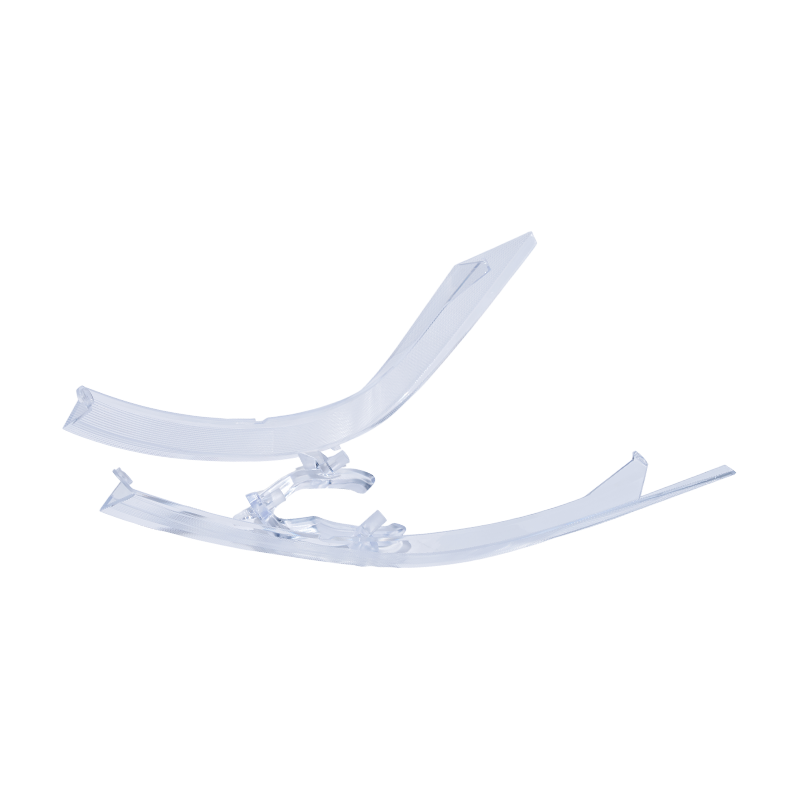
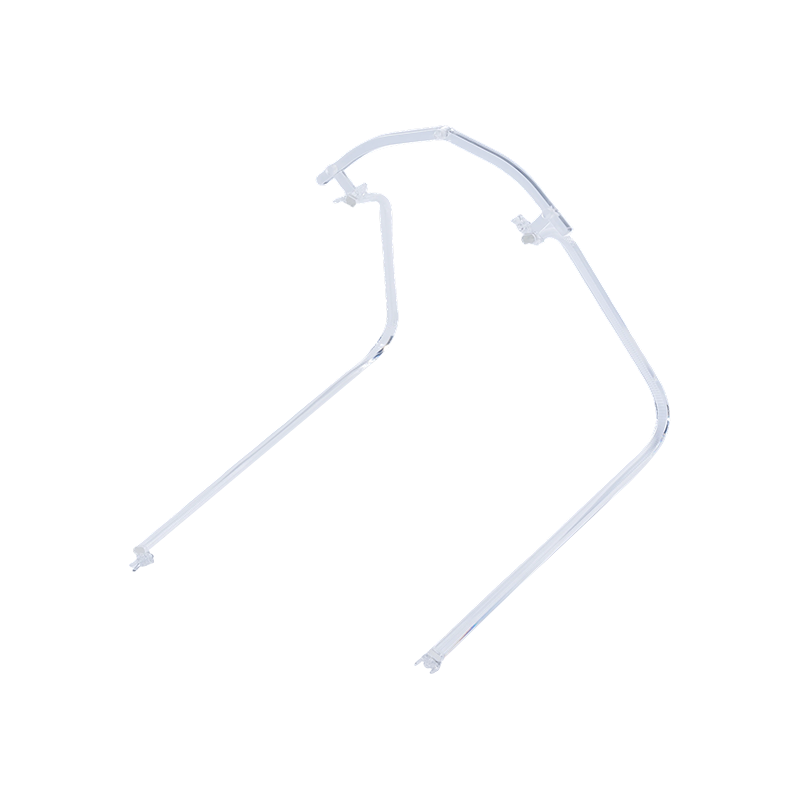
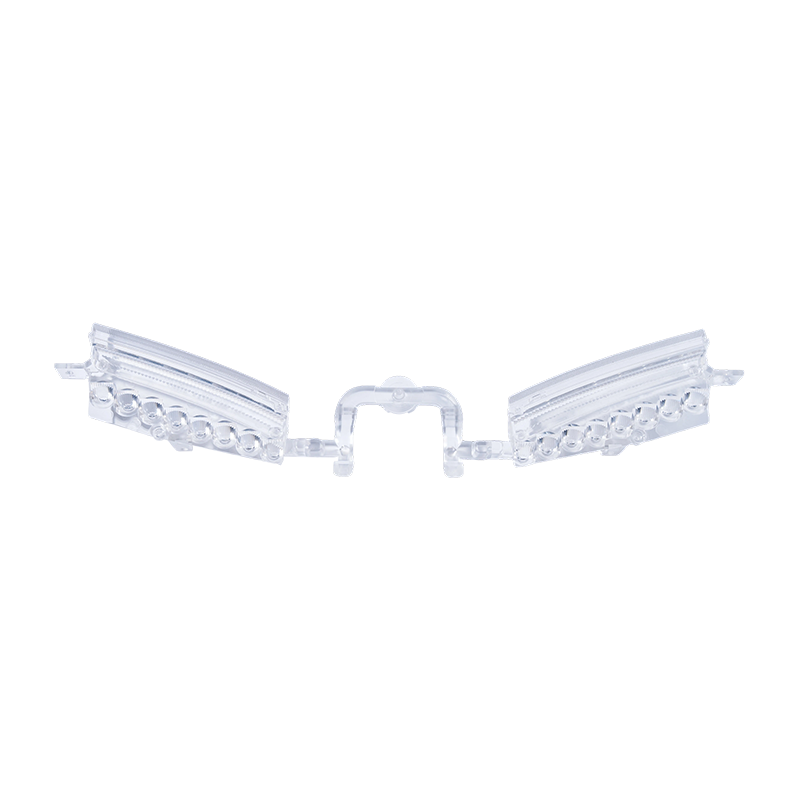
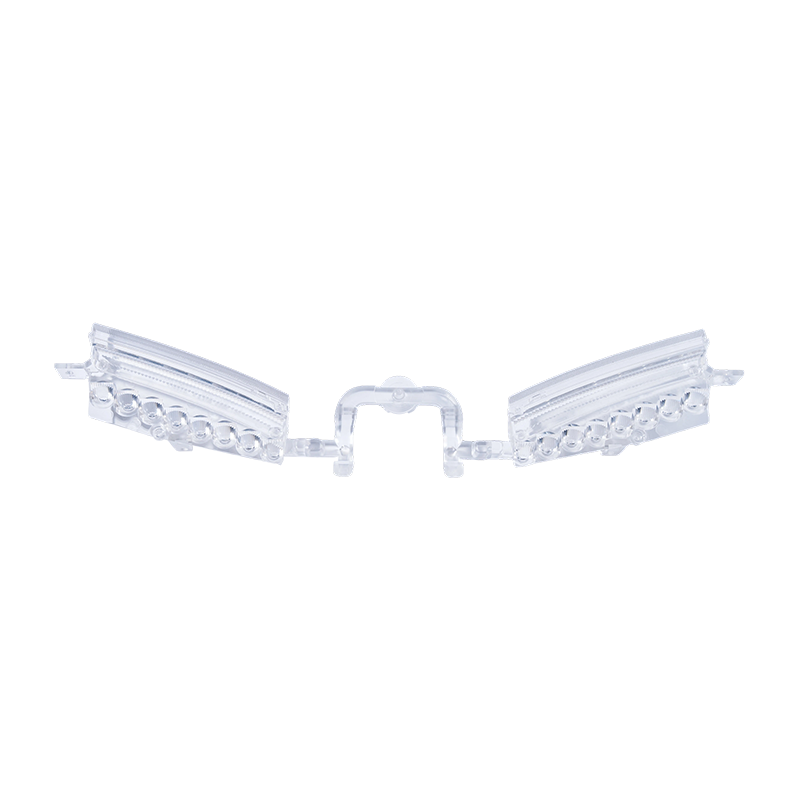
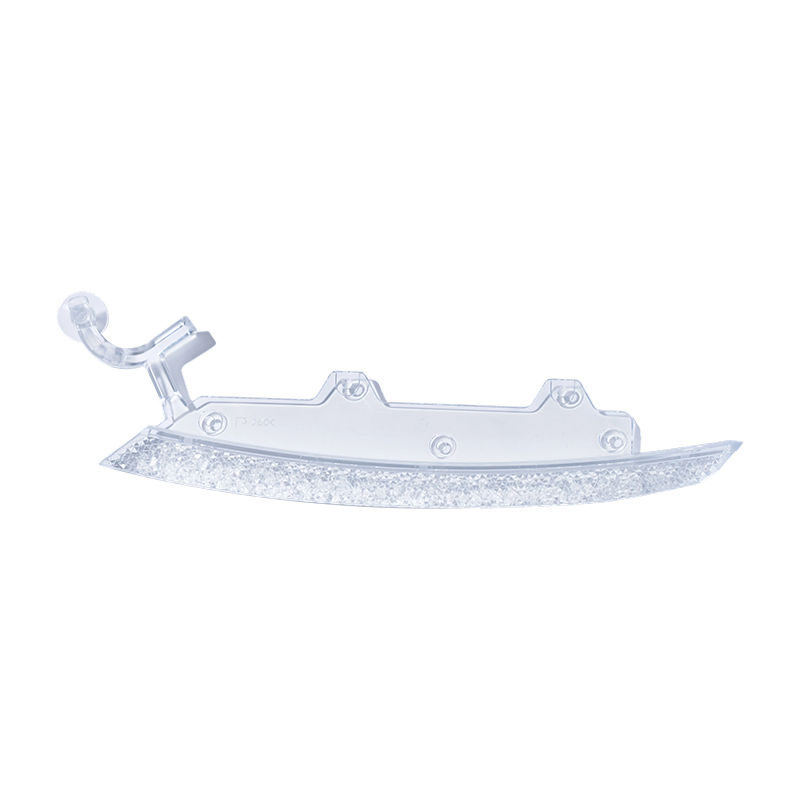
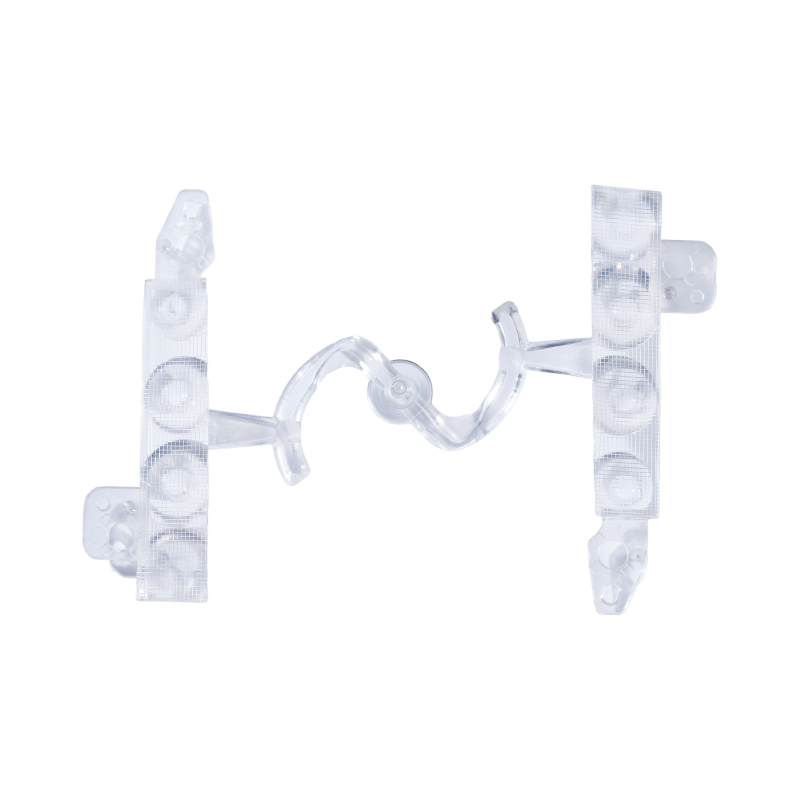
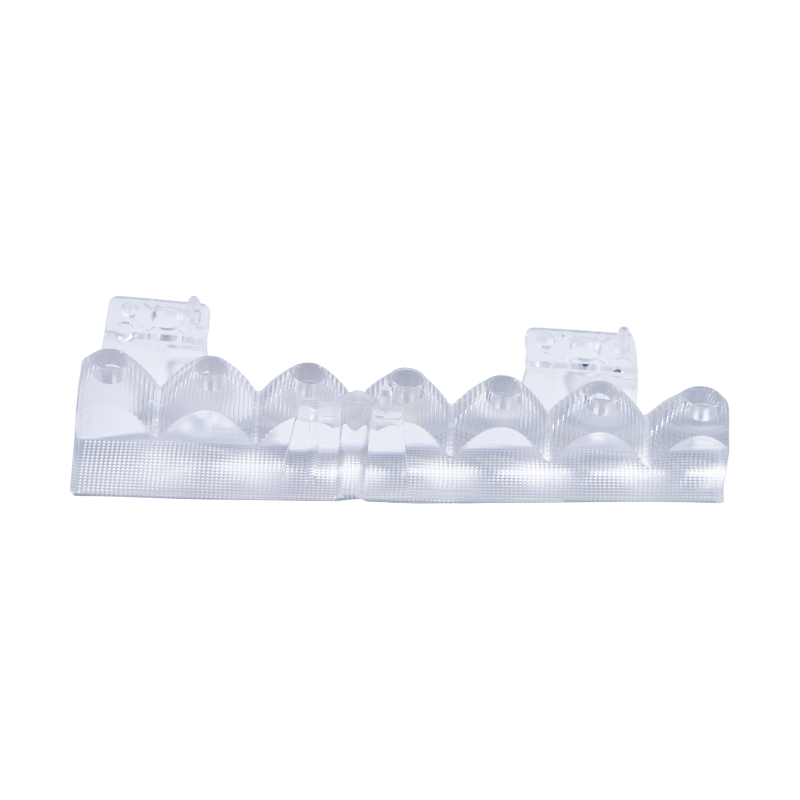
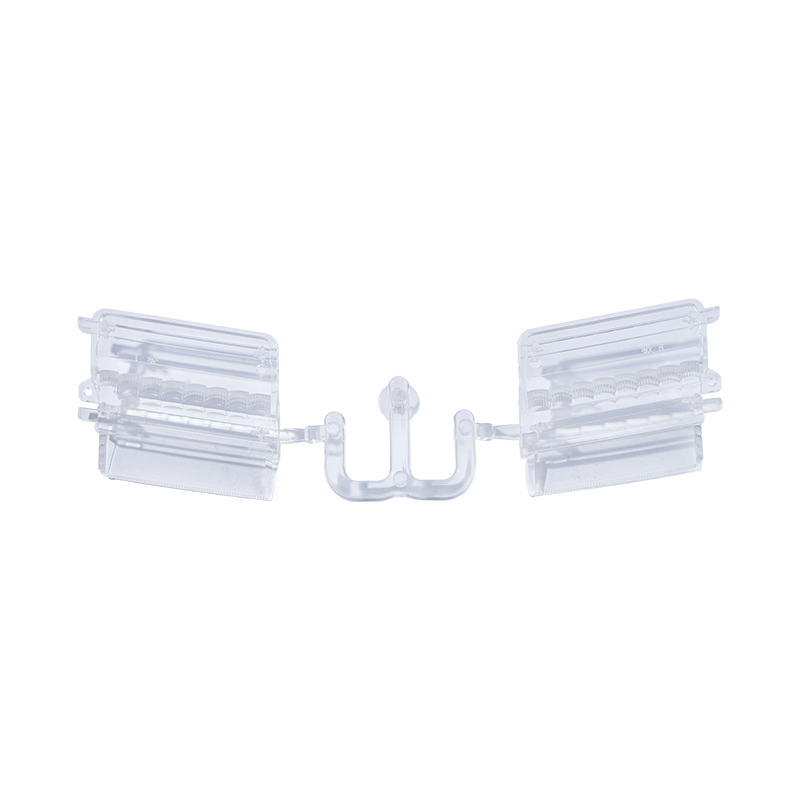
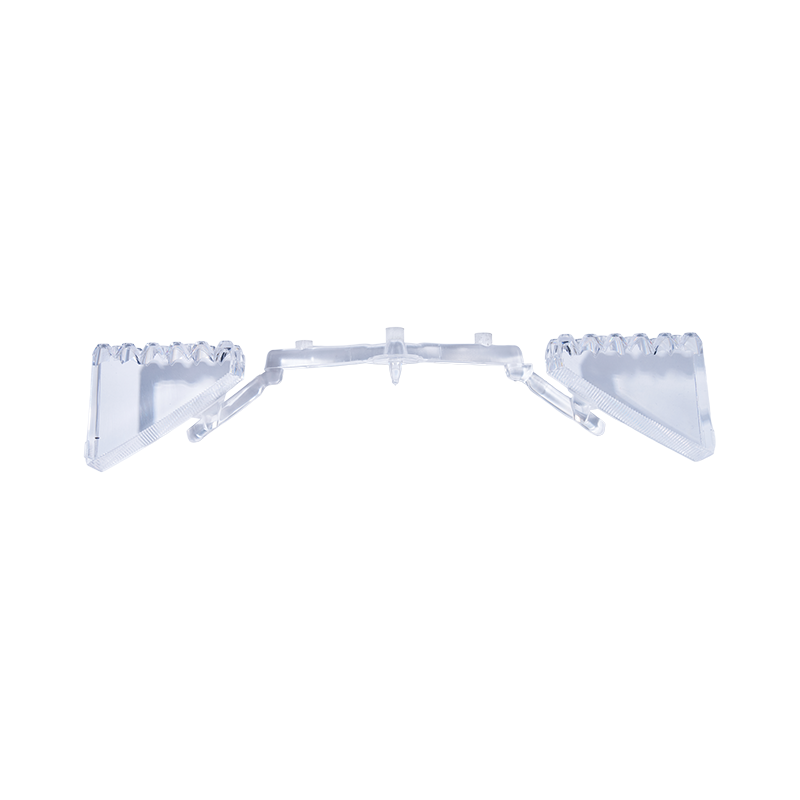
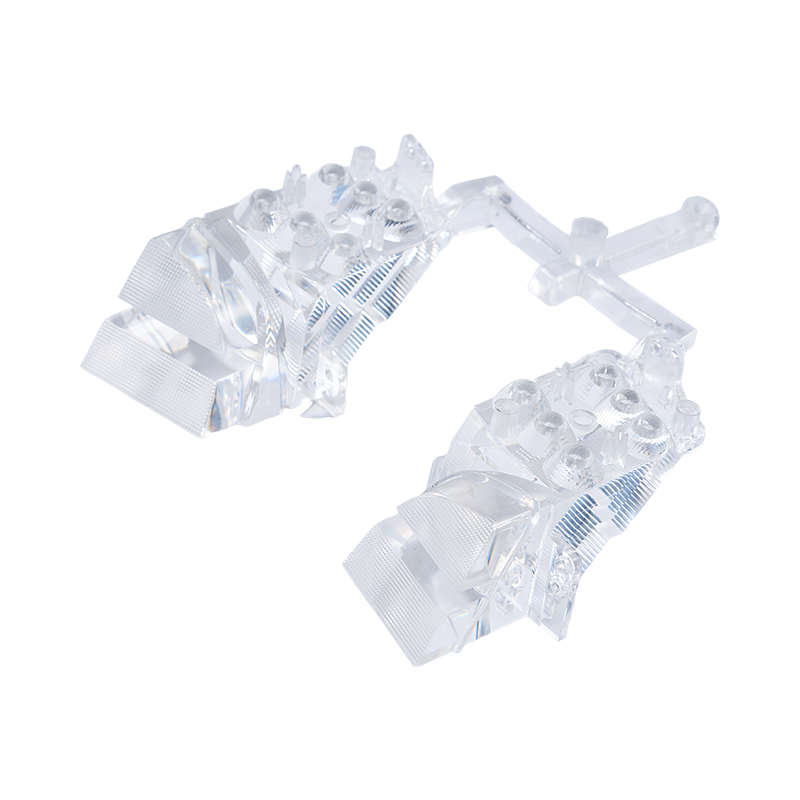
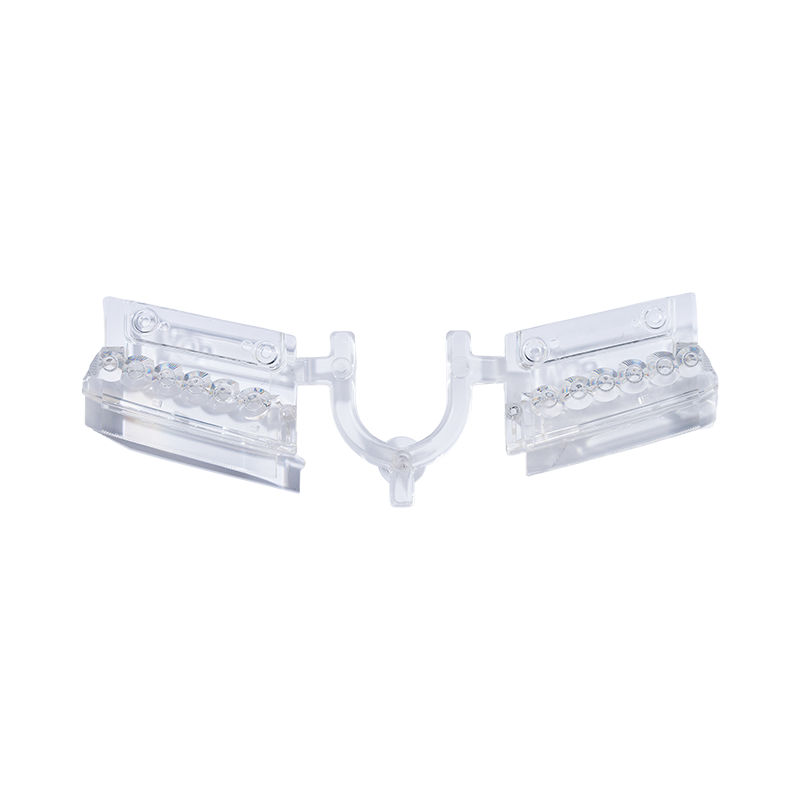
    This two-shot tail lamp protective cover project specifies TPE and PP, with a consistent sand-grain texture and uniform surface appearance. The photographs show curved cover forms, grainy visible surfaces, contour changes and raised perimeter features. The tooling review needs to relate these appearance zones to the released geometry and the defined role of each material.

    For this 2K sand-grain tail lamp cover mold, a visible contour line in a photograph should not automatically be treated as the interface between shots. Approved part data should distinguish geometric transitions, texture boundaries and material boundaries before the mold structure is finalized.

    Solution: Coordinate Texture Zones, Material Interfaces and Edge Geometry

    The review can focus on four checks specific to this cover:

    • Grain reference and transitions: identify the surfaces requiring sand-grain texture and agree a reference sample or texture specification. Review grain continuity around curved faces and local transitions, together with permitted gloss differences and inspection conditions.
    • TPE and PP interface: confirm the actual resin grades, shot allocation and interface design. Assess support, shut-off and access for the next shot against the part data; material names alone do not establish bonding or sealing performance.
    • Curved perimeter and release: review draft, parting, ejection and permitted contact areas around the raised edges. Define inspection points for edge shape, fit and any flash limits required by the drawing.
    • Filling and appearance checks: review gate, vent and cooling proposals against the textured viewing zones. Trial inspection should assess flow or joint lines, grain replication and local gloss against the agreed acceptance reference.

    Use the agreed assembly datums and matching-part data to check the cover contour separately from texture appearance. Any material-interface or functional tests should be defined for the project. For related applications, see our car light protective cover molds.

  • Why Choose Us
  • Tooling Review for a Curved TPE and PP Cover

    • Texture specified by zone: review sand-grain references across the curved face, local transitions and edge areas, with inspection conditions agreed before trial approval.
    • Material roles made explicit: review the specified TPE and PP grades, assigned shot regions and interface geometry together with the mold shut-off and support proposal.
    • Contour and appearance checked separately: relate perimeter dimensions to assembly datums while keeping grain and gloss assessment tied to the surface reference.
    • Reports linked to the agreed scope: the listed DFM, mold-flow, CMM and trial reports support design and sample review; any additional interface tests need defined methods and acceptance criteria.

    See our two-shot mold tooling page for the wider process scope.

  • Send Your Drawing for Free DFM Review
  • For TPE and PP protective cover tooling, send the released 2D/3D data, exact resin grades and shot regions, sand-grain reference, appearance zones, assembly datums and matching-part information. Include expected volume, molding-machine information and any material-interface or functional test requirements. Use the contact page to discuss drawing transfer and the mold project scope.

About
Taizhou Renxin Mould Co., Ltd.

Founded in 2013, Renxin Mould specializes in the design and manufacture of automotive lighting molds. Our tooling scope includes lenses, light guides, bezels, housings and other lamp components, with two-shot, three-color and overmolding mold solutions. Engineering support includes DFM review, mold-flow analysis, mold design, machining, fitting and mold trials according to project requirements.

For 2K sand-grain tail lamp cover mold projects, the engineering discussion covers part geometry, the specified resin, optical or appearance surfaces and assembly interfaces. The mold structure, surface finish and inspection scope are reviewed against the confirmed design and production conditions.

Support for TPE and PP protective cover tooling covers the agreed tooling scope, project documents and mold trial requirements. Drawing revisions, inspection items and sample acceptance criteria guide communication through design review, manufacture and trial approval.