

 русский
 Español
 عربى
عربى

Why do vehicles use high fog light in modern lighting design?
Vehicle lighting is no longer limited to basic illumination. It now plays a role in safety, visibility, and driving comfort. Among different lighting elements, high fog lights are often included in many vehicle designs where low visibility conditions are a concern.
A fog light is positioned in a higher area of the vehicle compared to traditional fog lighting. This placement changes how light spreads on the road surface. Instead of focusing only on the ground directly in front, the light reaches a wider viewing zone.
The idea is simple. When weather conditions reduce visibility, drivers need clearer spatial awareness rather than just a bright spot in front of the vehicle.
Fog lights support this need by adjusting light direction and spread.
What exactly is a high fog light?
Fog lights are special lamps built to help drivers see better when the weather turns bad. They're mounted higher up on the front of a car.
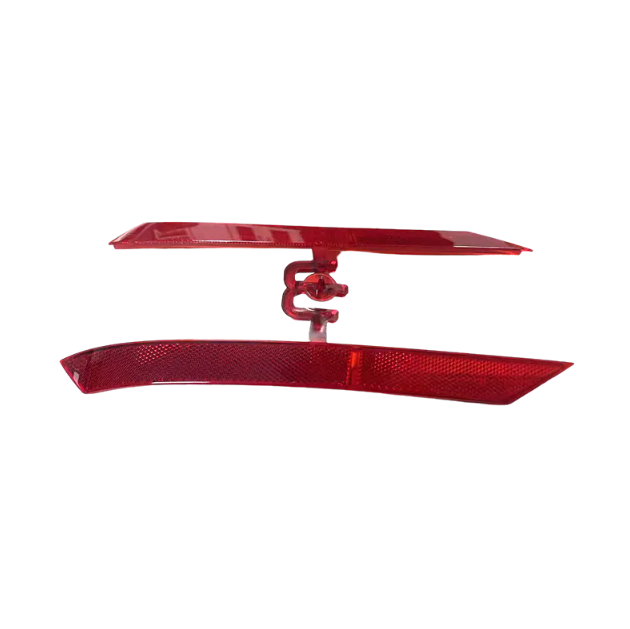
Regular fog lights sit low on the bumper, but this version lines up much closer to the main headlights. This different mounting spot changes how light hits fog, rain or dust floating in the air.
It's not just about making things brighter. The main goal is to make road sides, roadside obstacles and moving objects easier to make out.
You can tell them apart by these main features:
- Mounted higher on the front body panel
- Casts a wide beam covering the whole forward view
- Works well through fog, heavy rain and thin haze
- Cuts down glare bouncing back off wet roads
- Lights up both close ground and mid-range distance evenly
All these traits let drivers keep a clear sense of the road ahead when visibility drops sharply.
How does a high fog light work in real driving conditions?
Fog lights manage light rays to cut through airborne particles like fog, rain and dust. These tiny particles bounce light around randomly, which blurs your view if lights are fitted too low.
Since these lamps sit higher than standard fog lights, their light hits the mist at a different angle. They don't bounce harshly off wet road surfaces; instead, the beam stretches wide across the road ahead.
This avoids the blinding white haze many drivers get with low fog lights, where reflected light shines straight back into your eyes.
Its whole design relies on balanced light output:
- Bright enough to show road markings and nearby hazards clearly
- Beam spread carefully tuned to stop harsh glare
- Wide coverage so you can also see the road edges
- Steady light output that stays consistent as the car moves
Instead of focusing all light on one narrow spot, it spreads illumination evenly across your whole forward line of sight.
How is high fog light different from standard fog lighting?
Although both types are designed for low visibility conditions, their behavior on the road is not the same.
Standard fog lighting is usually placed low on the vehicle. It focuses on illuminating the road surface directly ahead. This helps in seeing lane edges and immediate obstacles.
Fog lighting shifts this approach. By sitting higher, it expands the visual range and supports broader awareness.
Comparison points include:
- Position on vehicle body
- Direction of light spread
- Range of visible area
- Interaction with fog or rain
- Driver perception of distance
Standard fog lighting often focuses on short-range clarity. Fog lighting supports a more extended and balanced view.
High fog light vs standard fog lighting behavior
| Feature | High Fog Light | Standard Fog Light |
|---|---|---|
| Position | Higher mounting area | Lower bumper area |
| Light spread | Wider forward coverage | Narrow ground focus |
| Visibility range | Balanced near and mid-distance | Short-distance emphasis |
| Weather interaction | More stable in scattered conditions | Strong ground reflection effect |
| Driving perception | Broader spatial awareness | Focused road surface clarity |
This table shows how placement alone can change the overall driving experience.
What role does light placement play in visibility?
Placement is one of the most important factors in vehicle lighting performance. Even when two lights produce similar brightness, their position changes how drivers interpret the road.
Fog lights are placed at a level where light can travel more directly into the forward driving path. This reduces excessive reflection from wet or uneven road surfaces.
Lower lighting tends to concentrate illumination near the ground. While this is useful for close-range detection, it may limit overall spatial awareness in dense fog.
Higher placement helps in:
- Expanding visible distance in front of the vehicle
- Reducing glare from reflective surfaces
- Improving perception of surrounding movement
- Supporting smoother visual transition during driving
The result is not simply brighter lighting, but more usable lighting.
How do weather conditions affect high fog light performance?
Different weather drastically changes how car lights perform. Fog, rain and dust all mess with light as it moves through the air.
Fog lights are made to counter these issues by spreading light in a smarter way.
Thick fog bounces light everywhere. Mounting the lamp higher cuts down harsh glare bouncing back to the driver. When it rains, the wide beam keeps road edges visible even on wet pavement. In dusty air, broad illumination helps drivers judge distances better.
These are the common ways weather impacts visibility:
- Fog shortens how far you can see ahead
- Wet roads reflect light and create extra glare
- Dust makes distant objects harder to distinguish
- Humid air scatters light beams unevenly
- Dark nights widen the gap between light and shadow
Fog lights ease all these problems by skipping narrow, concentrated beams that bounce too much light back.
How do drivers experience high fog lights on the road?
From a driver's perspective, lighting is not only about visibility. It also affects comfort and confidence during driving.
Fog Lights Mold provide a more balanced view of the road environment. Instead of focusing only on the immediate front area, drivers can perceive a wider section of the road.
This broader perception helps with:
- Better awareness of lane boundaries
- Easier detection of nearby movement
- Smoother navigation in unclear weather
- Reduced visual strain in long drives
- More stable sense of direction
The experience is often described as less abrupt compared to narrow-focused lighting systems.
Why are high fog lights becoming more common in vehicle design?
Car designers now put much more thought into how well drivers can see the road, treating lights as a cohesive part of the whole vehicle instead of an afterthought.
High fog lights match this design mindset perfectly—they work reliably in all kinds of weather, and drivers don't need to mess with complicated settings to use them well.
They also fit in with the growing focus on driver safety aids and better all-around road visibility.
Manufacturers are adding them more often for these practical reasons:
- Drivers need clearer sightlines when the weather shifts suddenly
- People prefer light beams that cover a wider stretch of road
- They blend naturally with today's streamlined front light setups
- Less harsh glare eases eye strain on long drives
- They perform steadily on city streets, country roads and highways alike
Since drivers regularly face unpredictable road and weather conditions, multi-use lighting like this has grown far more practical and popular.
How does high fog light support overall road safety awareness?
Road safety depends heavily on what drivers can see and how quickly they can interpret it. Lighting plays a central role in this process.
Fog lights help by improving spatial awareness rather than only increasing brightness. This supports earlier recognition of road changes and surrounding movement.
They contribute to safety by:
- Enhancing detection of road edges
- Improving awareness of nearby vehicles
- Supporting smoother reaction timing
- Reducing sudden visual adjustments
- Maintaining stable visibility in unclear conditions
Safety in this context is not about intensity alone. It is about clarity and consistency.
What makes high fog light design relevant in modern driving environments?
Driving environments are constantly changing. Weather, lighting conditions, and traffic density can vary within short distances. Lighting systems need to adapt to these shifts without requiring driver intervention.
Fog lights support this adaptability through their position and light distribution pattern. They offer a middle ground between close-range and extended visibility.
Their role continues to grow as vehicles focus more on integrated lighting systems that support comfort, awareness, and consistent visibility across different road situations.
