

 русский
 Español
 عربى
عربى


Road visibility can shift fast the moment weather turns difficult. Fog, heavy rain, mist, dust, and other conditions genuinely make it harder for drivers to see what's ahead on the road.
For drivers, reduced visibility affects a lot more than just what they can physically see. It genuinely shakes their confidence in spotting road edges, nearby vehicles, signs, curves, and other objects out there.
That's exactly where vehicle lighting starts to matter a whole lot more.
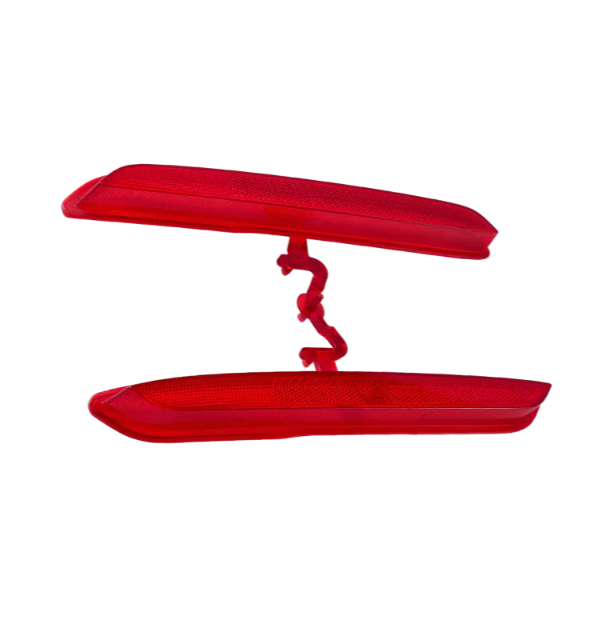
High fog lights are built to add extra lighting in conditions where ordinary forward lighting just doesn't give the clearest view of the road surface. Their position and beam design genuinely provide a different type of illumination compared to the main headlights.
The growing interest in high intensity fog lights genuinely reflects a wider push toward practical vehicle lighting overall. Drivers are hunting for lighting solutions that actually match different road and weather conditions instead of leaning on one lighting setup for every single situation.
Choosing and using fog lights still demands attention to vehicle compatibility, local regulations, weather conditions, and proper installation.
Why Can Low Visibility Make Driving More Difficult?
Good visibility genuinely gives drivers more time to figure out what's happening around the vehicle.
When fog thickens up, the visible distance genuinely shrinks. Moisture in the air also scatters light and makes the road look a lot less clear.
Heavy rain creates a genuinely similar challenge. Water on the road reflects light back, while falling rain makes distant objects harder to make out.
Other conditions can create comparable problems.
| Road Condition | Possible Visibility Challenge |
|---|---|
| Fog | Makes distant objects and road edges harder to see |
| Heavy rain | Creates reflections and reduces visual clarity |
| Mist | Can make the road appear less distinct |
| Dust | Can obscure road details and nearby objects |
| Smoke | May reduce the visible area around the vehicle |
| Snow or spray | Can interfere with the driver's view |
These conditions do not affect every road in the same way.
A wide road may have different visibility concerns from a narrow road. A winding route can create different challenges from a straight road. Urban streets may also have additional light sources that influence what the driver sees.
This is why lighting needs to be considered as part of the overall driving environment.
How Do High Intensity Fog Lights Support Drivers?
Fog lights are positioned differently from the main headlights on many vehicles. Their purpose is to provide additional illumination closer to the road surface and in the area directly in front of the vehicle.
This can be useful when visibility is reduced.
A suitable fog light can help make certain road details easier to notice. These may include the road surface, lane boundaries, roadside edges, or nearby objects.
The benefit is not simply about producing more light.
The direction and distribution of light matter as well. In foggy conditions, a strong beam directed too far ahead can interact with moisture in the air and create unwanted glare for the driver.
Fog light designs therefore focus on providing useful illumination in the lower part of the driver's field of view.
This creates a different role from the main headlights.
The two lighting systems can work as complementary parts of the vehicle rather than being treated as interchangeable products.
What Makes Fog Light Position Important?
Position can influence how a fog light performs.
Because fog lights are generally mounted lower on a vehicle, their light can illuminate an area closer to the road surface.
This can help the driver identify the immediate path of travel when the air ahead contains moisture.
Mounting position also affects how the light interacts with other road users.
A poorly positioned lamp may create unwanted glare or provide an uneven view. Proper installation is therefore important.
The vehicle's design should be considered as well.
Some vehicles have dedicated locations for fog lights. Others may require a different installation approach.
Before purchasing a high intensity fog light, drivers should check whether the product is suitable for the vehicle and whether its installation follows applicable requirements.
A suitable lighting product still needs to be installed correctly.
Why Does Beam Direction Matter in Foggy Conditions?
The way light travels can influence what a driver sees.
Fog contains tiny water droplets suspended in the air. When light enters this environment, some of it can scatter back toward the driver.
This can create a bright area in front of the vehicle without necessarily improving distant visibility.
For this reason, fog lighting generally focuses on useful illumination closer to the road.
A practical fog light should help the driver see relevant road information without creating unnecessary brightness in the driver's direct field of view.
This is one reason why fog lights should not simply be treated as stronger versions of ordinary headlights.
Their purpose is different.
The lighting should match the conditions in which it is intended to be used.
Where Can High Intensity Fog Lights Be Useful?
High fog lights can be useful in several low-visibility situations.
Foggy Roads
Dense fog is the most obvious example. The road ahead may appear shorter, and distant objects can become difficult to identify.
Additional lower-level illumination may help the driver identify nearby road features.
Heavy Rain
Rain can reduce visibility and create reflections from the road surface. Fog lights may provide another source of illumination for the immediate area ahead.
Misty Areas
Some roads experience frequent mist because of local weather or surrounding landscapes. Additional lighting can provide practical support when visibility changes.
Rural Roads
Roads outside urban areas may have limited surrounding lighting. During poor weather, drivers may have fewer visual references.
Fog lights can add another lighting layer when conditions require it.
Winding Roads
Curves can make it harder to anticipate the road ahead. Useful illumination near the vehicle can help drivers pay attention to the immediate path.
The exact benefit depends on the vehicle, road, weather, and lighting arrangement.
Fog lights should therefore be viewed as one part of a broader visibility strategy.
How Should Drivers Choose High Intensity Fog Lights?
Choosing a fog light involves more than looking for a bright product.
Drivers should consider how the light will be used and whether it fits the vehicle.
Several factors deserve attention.
Vehicle compatibility is an important starting point. The lamp should be suitable for the vehicle's electrical and physical configuration.
Beam pattern also matters. Drivers need lighting that supports the intended area of the road rather than simply producing additional brightness.
Installation position should be considered before purchase. A product may perform differently depending on where it is mounted.
Weather resistance can be relevant because fog lights are exposed to outdoor conditions. Rain, moisture, dust, and road debris can all affect exterior vehicle lighting.
Maintenance should also be part of the decision. The lens and housing may collect dirt during normal driving. A dirty lamp can reduce the usefulness of the light.
A simple buying checklist can help:
- Check vehicle compatibility.
- Review the intended lighting purpose.
- Consider the beam direction and coverage.
- Confirm that the installation location is suitable.
- Check resistance to normal outdoor exposure.
- Review applicable vehicle lighting rules.
- Understand the maintenance requirements.
This approach keeps the decision focused on practical use.
Can High Intensity Fog Lights Replace Headlights?
Fog lights and headlights have different roles.
Main headlights are designed to provide forward illumination for normal driving conditions. Fog lights provide additional lighting that can be useful when visibility is reduced.
One should not automatically replace the other.
In normal driving conditions, headlights remain an important part of vehicle lighting. When weather becomes difficult, suitable fog lights may provide additional support.
The driver still needs to adjust speed and driving behavior to match the road conditions.
Lighting cannot remove the risks associated with heavy fog or severe weather.
If visibility becomes extremely poor, slowing down and increasing following distance may be more important than adding more light.
Drivers should also follow local rules regarding when and how fog lights can be used.
How Can Installation Influence Lighting Performance?
Installation affects both the usefulness of the light and the experience of other road users.
The lamps should be mounted securely. Their direction should also be adjusted according to the vehicle and product requirements.
If a light points too high, it may create unnecessary glare. If it points too low or is poorly aligned, it may not illuminate the intended area effectively.
Electrical connections should also be handled correctly.
Because vehicle lighting involves electrical components, installation should follow the manufacturer's instructions and applicable local requirements. Professional installation can be appropriate when the driver is unsure about the vehicle's wiring or mounting arrangement.
The goal is not simply to place a lamp on the vehicle.
The entire lighting arrangement needs to work together.
What Maintenance Do High Intensity Fog Lights Need?
Fog lights operate close to the road, which means they can encounter dirt, water, mud, and road debris.
Regular visual checks can help identify common problems.
Drivers can look for:
- Dirt covering the lens.
- Cracks or visible damage.
- Loose mounting.
- Moisture inside the housing.
- Changes in lighting behavior.
- Damaged wiring or connections.
Cleaning the lamp surface can also help maintain clear light output.
The correct cleaning method depends on the lamp material and manufacturer guidance. Harsh cleaning products should not be used unless they are specifically considered suitable.
If a fog light stops working or shows an unusual change in performance, it should be inspected rather than ignored.
A lighting system is part of the vehicle's safety equipment. Maintenance should therefore be treated as a normal part of vehicle ownership.
How Are High Intensity Fog Lights Becoming Part of Modern Vehicle Lighting?
Modern vehicles are increasingly designed around different driving environments.
Drivers may move through city streets, highways, rural roads, tunnels, and poorly lit areas during the same journey. Weather can change along the way.
This creates demand for lighting systems that can support different conditions.
High fog lights offer an additional lighting option for situations where ordinary forward lighting may not provide the most useful view.
Their practical role comes from the combination of position, beam direction, housing design, vehicle compatibility, and appropriate use.
For drivers, the decision should remain focused on the actual road environment.
A suitable fog light can provide additional visibility support during fog, rain, mist, and other low-visibility conditions. Proper installation and responsible use remain equally important.
As vehicle lighting continues to develop, high intensity fog lights remain a practical option for drivers who need additional support when changing weather makes the road harder to read.
