

 русский
 Español
 عربى
عربى

Why does vehicle lighting matter in heavy fog?
Anyone who's driven through a genuinely thick fog bank knows the feeling — the road markings blur out, taillights ahead seem to vanish and reappear, and suddenly every decision behind the wheel feels a little riskier. In that kind of low-visibility situation, which lights you're actually running makes a real difference in how safely you get through it.
Low beam headlights and fog lights both get used in these conditions, but they're not doing the same job, and mixing them up is more common than you'd think. A lot of drivers genuinely aren't sure when low beams alone are enough and when it's actually worth flipping on the fog lights too.
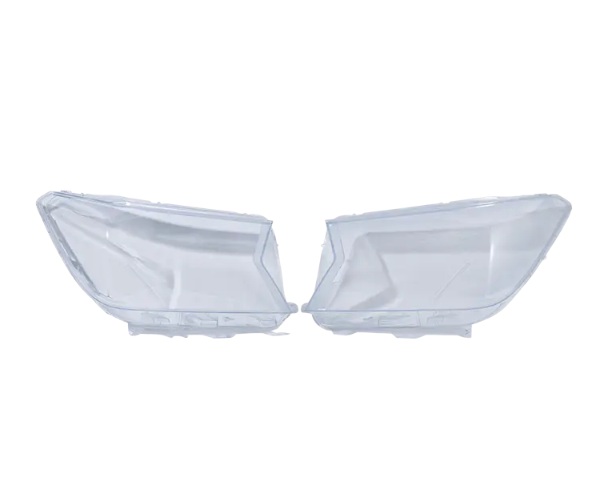
Getting that distinction straight matters, especially since vehicle lighting keeps evolving — the goal these days isn't just "brighter is better," it's about putting light exactly where it's actually useful for the conditions at hand. Here's how these two options actually differ.
What are low beam headlights used for in heavy fog?
Low beam headlights come standard on basically every vehicle, built to light up the road ahead without blinding oncoming drivers with excessive glare.
In fog, low beams still do meaningful work — they light up the road surface directly in front of you and help you pick out nearby objects and general road conditions.
| Driving Condition | Purpose of Low Beam Lights |
|---|---|
| Night driving | Providing regular road illumination |
| Rainy weather | Supporting visibility in reduced light |
| Light fog | Helping drivers see the road ahead |
| Urban roads | Improving awareness around vehicles and pedestrians |
In foggy conditions specifically, low beams almost always beat high beams. High beams tend to bounce straight off the water droplets suspended in fog, throwing extra glare right back at you and actually making things harder to see, not easier.
Low beams keep the light angled down closer to the road surface, which cuts down considerably on that kind of reflected glare in most foggy situations.
How are fog lights different from low beam headlights?
Fog lights exist specifically for rough weather conditions. They're mounted lower on the vehicle and cast a wider, flatter beam that stays close to the road surface.
The core difference really comes down to purpose.
| Feature | Low Beam Headlights | Fog Lights |
|---|---|---|
| Main purpose | General road illumination | Support visibility in foggy conditions |
| Light direction | Forward road lighting | Lower and wider road coverage |
| Common use | Daily driving situations | Fog, heavy rain, or similar conditions |
| Installation position | Usually higher on the vehicle | Usually mounted lower |
Fog lights aren't meant to take over from your regular headlights — they're extra support for exactly the moments when normal lighting stops cutting it. That lower mounting position is the whole trick: it keeps light from bouncing straight back at eye level off all those suspended fog particles.
Why can high beams create problems in heavy fog?
It's a pretty natural instinct to reach for the brightest lights available when visibility drops, but fog actually punishes that instinct.
Fog is basically a suspension of tiny water droplets, and those droplets reflect light aggressively. Run high beams through that, and a lot of that light just bounces straight back at you instead of illuminating the road.
The result tends to be:
- Increased glare bouncing back at the driver
- Reduced overall road clarity
- Genuine difficulty seeing through the haze
- General driver discomfort and eye strain
That's exactly why low beams and fog lights get the nod in these conditions instead — both keep the light angled down and close to the road, avoiding that reflective bounce-back problem almost entirely.
The real goal in fog isn't cranking up brightness. It's putting the right amount of light exactly where it's actually useful.
When should drivers use low beam headlights in fog?
Low beams handle a lot of fog situations just fine on their own, giving decent visibility without kicking up unnecessary glare.
Worth sticking with low beams when:
Fog is present but visibility stays manageable
Light to moderate fog often doesn't need anything beyond standard headlights to keep you aware of what's ahead.
Driving through areas with regular traffic
Low beams keep glare down for other drivers while still lighting up the road well enough for you.
Weather's shifting as you drive
Fog can thicken or clear surprisingly fast, and low beams remain a solid, practical default through those changes.
Extra lighting genuinely isn't needed
Plenty of situations just don't call for fog lights at all — low beams alone cover what the road actually requires.
Picking the right lighting mode for the actual conditions makes driving noticeably more comfortable, both for you and everyone else sharing the road.
When are fog lights more suitable for heavy fog?
Fog lights earn their place specifically when regular headlights start falling short.
They're most useful during:
- Genuinely dense fog
- Heavy rain
- Misty mountain roads
- Any low-visibility environment where the road ahead is hard to make out
That wide, low beam pattern gives you a clearer read on the immediate road surface right in front of the vehicle.
They're especially valuable when conditions shift fast — coastal roads, rural routes, or areas known for sudden weather changes can drop visibility with almost no warning, and fog lights help you react to that shift quickly.
That said, they're not meant to run all the time. Flip them on in clear weather and you're just adding unnecessary glare for everyone else on the road, without any real benefit for yourself.
What are the main differences between heavy fog low beam and fog lights?
Getting clear on how these two actually differ makes it a lot easier to reach for the right one at the right time.
| Comparison | Heavy Fog Low Beam | Fog Lights |
|---|---|---|
| Primary role | General visibility support | Special weather assistance |
| Usage frequency | More common for daily driving | Used mainly in difficult weather |
| Light coverage | Focused forward lighting | Wider road-level lighting |
| Suitable environment | Normal night driving and mild fog | Heavy fog and reduced visibility |
Low beams are your everyday driving tool. Fog lights are the backup you bring out specifically when the weather demands it. Both have a distinct, genuinely useful role within a vehicle's overall lighting setup.
How do vehicle owners choose the right lighting approach for fog?
Picking the right lighting really comes down to matching your choice to the actual driving environment and weather you're dealing with.
Local weather patterns
Drivers in fog-prone regions should get comfortable with fog-specific lighting options sooner rather than later.
Driving location
Mountain roads, coastal routes, and rural stretches all bring different visibility challenges compared to city driving.
Vehicle lighting condition
Clean, well-maintained lights simply perform more consistently when you actually need them.
Driving habits
Anyone doing regular nighttime or long-distance driving is going to run into more varied conditions and genuinely benefits from understanding how each lighting option actually works.
The right approach here isn't picking one lighting mode and sticking with it for everything — it's about matching your choice to whatever the road's actually throwing at you.
How can drivers maintain low beam headlights and fog lights?
Keeping your lights in good shape matters just as much as knowing when to use which ones.
Keep light covers clean
Dust and grime build up on lenses and genuinely dull the light output — a quick wipe-down goes a long way.
Check lighting function
Get in the habit of confirming all your lights actually work before you need them, not after.
Inspect for damage
Cracks or damage to light covers can mess with how the beam actually disperses.
Pay attention to changes
Notice your lights seem dimmer or behaving oddly? That's worth getting checked out rather than ignored.
Staying on top of this kind of maintenance genuinely supports safer driving and gives you a much better shot at handling tough weather when it actually shows up.
How are automotive lighting solutions adapting to fog driving needs?
The automotive industry keeps pushing toward smarter visibility solutions rather than just chasing raw brightness. Modern lighting is increasingly designed around actual real-world driving conditions instead of simple specs on a sheet.
Fog remains one of those persistent challenges every driver eventually faces, and as vehicles keep advancing, lighting systems keep evolving right alongside them to offer genuinely practical support.
Understanding exactly how low beams and fog lights differ lets drivers actually use each one the way it's meant to be used — low beams carrying the everyday visibility load, fog lights stepping in specifically when the weather gets genuinely difficult.
