

 русский
 Español
 عربى
عربى

Night driving is a normal part of modern life. People leave work after dark, drive home late, travel between cities, or start their day before sunrise. The road may be familiar, but visibility can change quickly.
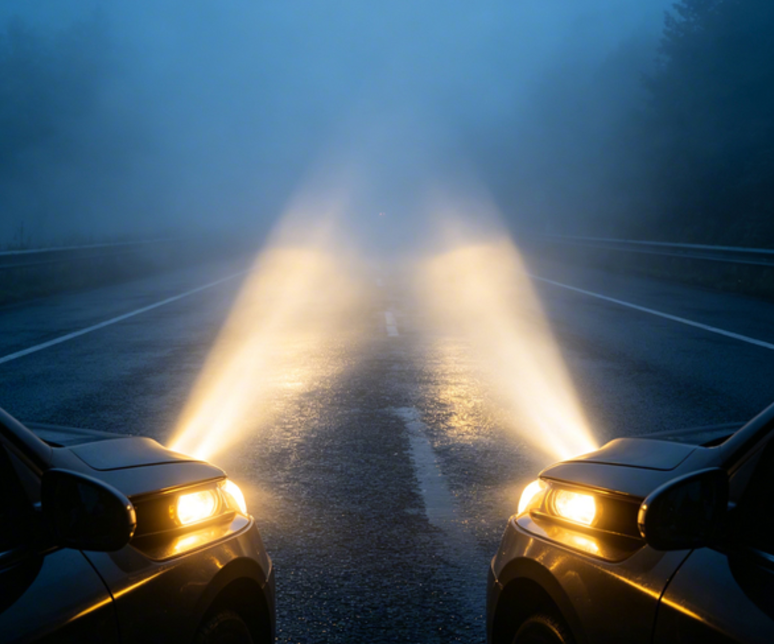
Fog is one of the situations that can make an ordinary journey feel very different. Light rain, mist, wet roads, roadside shadows, and changing weather can also affect how clearly drivers see the road. In these situations, vehicle lighting becomes more than a convenience. It becomes part of the driver's daily awareness.
Night Eye Fog Lights are gaining attention in this wider discussion. Their role is not simply about making a vehicle look different. The bigger question is whether fog lights can become a more practical part of everyday driving.
The answer may depend on how drivers use their vehicles, how lighting products are designed, and how people understand the difference between normal night lighting and lighting intended for reduced visibility.
Why Could Night Eye Fog Lights Matter More in Daily Driving?
Daily driving does not always happen under clear conditions. A driver may leave home with a clean view of the road and encounter mist a short time later. A familiar route can also include darker sections, wet surfaces, or areas where visibility changes because of weather.
This makes vehicle lighting an important part of everyday driving habits. Drivers need to see the road ahead, notice other road users, and understand changes around the vehicle. Good lighting cannot remove every driving risk, but it can support clearer observation when conditions become difficult.
Fog lights have traditionally been associated with heavy fog. Their potential daily role is broader, but that does not mean they should be used at all times. Driving guidance generally treats fog lights as lighting for seriously reduced visibility rather than ordinary nighttime use. They should be switched off when visibility improves because unnecessary use can create glare for other road users.
This distinction may become more important as drivers pay greater attention to practical lighting choices. Instead of asking whether a light is simply bright, users may begin asking where it works, when it should be used, and how it fits into real driving situations.
How Do Changing Road Conditions Affect Nighttime Visibility?
Darkness is only one part of the problem. Weather can change the visual conditions around a vehicle. Fog can make distant objects harder to recognize. Rain can create reflections on the road. Mist can appear suddenly in open areas or near low ground.
These changes can make drivers adjust their behavior. They may slow down, increase the distance from vehicles ahead, and pay more attention to road edges. Lighting becomes one part of that response.
| Driving Situation | Possible Visibility Challenge | Lighting Consideration |
|---|---|---|
| Clear night | Dark surroundings | Normal vehicle lighting may be sufficient |
| Light mist | Reduced clarity | Drivers may need greater awareness |
| Dense fog | Limited view ahead | Fog lights may become relevant |
| Rainy night | Reflections and spray | Lighting should not create unnecessary glare |
| Rural road | Fewer surrounding lights | Road conditions need closer attention |
| Urban road | Street and vehicle lights | Excessive light can reduce visual comfort |
The key point is that more light does not automatically mean better visibility. In foggy conditions, reflected light can make the scene harder to read. Official driving guidance also warns against using inappropriate lighting in fog and recommends adjusting speed and following distance as visibility changes.
This creates an interesting position for fog lights. Their value is connected to the situation in which they are used. A useful lighting product should support the driver's view without becoming a source of distraction for others.
What Makes Fog Lights Relevant Beyond Heavy Fog?
The name itself can make fog lights sound like a niche product. In reality, drivers may encounter many conditions that affect visibility during ordinary travel.
Morning mist can appear on quiet roads. Evening rain can make the road surface reflective. Coastal areas may experience sudden changes in air conditions. Rural routes can also become darker than expected after sunset.
That does not mean fog lights should replace ordinary headlights. They have a different role. The important question is whether drivers understand when additional lighting is appropriate.
This creates an opportunity for manufacturers to think about fog lights from a broader user perspective. Instead of designing around an occasional emergency situation alone, they can consider how drivers interact with lighting throughout a normal week.
A driver may rarely encounter thick fog. Yet that driver may still value lighting that is easy to understand, simple to operate, and suitable for changing conditions.
This shift from occasional use to practical awareness could influence how Fog Lights are discussed in the automotive market.
Could Design Influence How Drivers Use Night Eye Fog Lights?
Product design has a direct connection with user behavior. If a light is difficult to operate, drivers may hesitate to use it when conditions change. If the controls are easy to understand, the decision can become more natural.
The same applies to the physical design of the light. Drivers may consider how the lighting fits the vehicle, how it looks when installed, and whether it feels appropriate for everyday use.
A modern fog light therefore has two sides. One relates to its lighting role. The other relates to how it fits into the vehicle and the driver's routine.
Several design considerations can influence this experience:
- Ease of operation
- Clear lighting purpose
- Practical installation
- Compatibility with the vehicle
- Easy access for maintenance
- Suitable appearance
- Protection from ordinary road conditions
- Comfortable use during changing weather
These points show why fog light development is not only about illumination. It also involves usability.
When drivers can understand a product easily, they are more likely to use it according to the conditions. This can be especially important with fog lights because unnecessary use may affect other drivers.
How Could Night Eye Fog Lights Fit Different Driving Habits?
Not every driver uses a vehicle in the same way. Some people mainly drive in cities. Others spend more time on open roads. Some commute during daylight, while others regularly travel early in the morning or late at night.
A vehicle lighting product therefore needs to fit different habits rather than assume that every driver faces the same environment.
For a city driver, fog lights may be considered during poor weather when visibility changes quickly. For someone who frequently travels outside urban areas, changing road conditions may make auxiliary lighting more relevant.
The product itself does not determine safe driving behavior. The driver still needs to respond to the road and weather.
This is why the conversation around Fog Lights may gradually move away from appearance and toward practical use. Buyers may want to know whether the product fits their vehicle and whether its design makes sense for the situations they regularly encounter.
A useful way to think about the choice is to ask a few simple questions:
- Where is the vehicle usually driven?
- When is the vehicle normally used?
- What weather conditions are common on those routes?
- How easy is the lighting system to operate?
- Can the driver clearly understand when the fog lights should be used?
- Does the product fit the vehicle's existing lighting arrangement?
These questions can help turn a product search into a more practical decision.
Why Is Responsible Fog Light Use Becoming More Important?
Fog lights can help in reduced visibility, but they are not designed for unrestricted use. This point matters because bright vehicle lighting can affect other road users.
Driving guidance commonly advises against using front or rear fog lights when visibility is not seriously reduced. Once conditions improve, the lights should be turned off. The reason is simple. Unnecessary lighting can cause glare and make it harder for other drivers to respond comfortably.
Responsible use also means understanding that fog lights do not remove the need for careful driving. When visibility drops, reducing speed and maintaining a suitable distance remain important.
Fog can also be uneven. A clear section of road does not always mean the weather has completely improved. Drivers may enter another patch of fog shortly afterward. This is one reason road awareness remains essential even when additional lighting is available.
The future of fog lights may therefore depend partly on better user education. Drivers need to know not only how to switch them on, but also when they should remain off.
What Should Buyers Consider When Choosing Night Eye Fog Lights?
As fog lights become more visible in everyday automotive discussions, buyers may have more choices. That can make selection more complicated.
A buyer does not necessarily need to focus on a long list of product features. Practical questions can often provide a clearer starting point.
| Buyer Concern | Why It Matters |
|---|---|
| Vehicle compatibility | The light should suit the intended vehicle |
| Driving environment | Different roads create different visibility needs |
| Weather conditions | Fog, mist, and rain can change lighting requirements |
| Ease of use | Simple controls can make operation more natural |
| Maintenance | Accessible design can make routine care easier |
| Appearance | The lighting should fit the overall vehicle design |
| Usage habits | Frequent nighttime driving may create different needs |
Buyers should also pay attention to local road rules. Fog light requirements and permitted use can vary by location. A product that is suitable for one market may not be operated in exactly the same way somewhere else.
The focus should remain on appropriate use rather than simply choosing the strongest-looking lighting option. A fog light is part of a vehicle's overall lighting system, and its value comes from being used in the right conditions.
This may encourage suppliers and manufacturers to provide clearer product information. Simple explanations can help drivers understand what a fog light is designed to do without making unrealistic claims about driving safety.
Could Everyday Driving Shape the Future of Night Eye Fog Lights?
The automotive lighting market continues to reflect changes in driving habits. People expect vehicles to support more situations without making everyday operation complicated.
That expectation may influence fog light design as well. Products may increasingly be considered from the driver's point of view. How does the light fit the vehicle? Is it easy to operate? Does it suit different road environments? Can drivers understand its purpose without confusion?
These questions move the discussion beyond appearance.
Fog Lights may also become part of a larger shift toward practical vehicle accessories. Drivers often look for products that fit naturally into their existing routines. They may not want an accessory that only looks useful. They want something that makes sense when a real situation occurs.
At the same time, responsible use will remain important. Fog lights are not a substitute for normal headlights, careful speed control, a clear windscreen, or suitable following distance. Official guidance continues to emphasize adjusting driving behavior when visibility is reduced.
As everyday driving becomes more varied, the role of auxiliary lighting may continue to develop. Night Eye Fog Lights could become more relevant not because drivers need additional lighting in every journey, but because they increasingly recognize the value of having the right lighting option available when ordinary conditions change.
