

 русский
 Español
 عربى
عربى


High mount stop lamp mold is used in automotive lighting production. It works under repeated forming cycles and constant pressure. Over time, even stable molds begin to show signs of wear. The changes are often gradual. They do not appear suddenly.
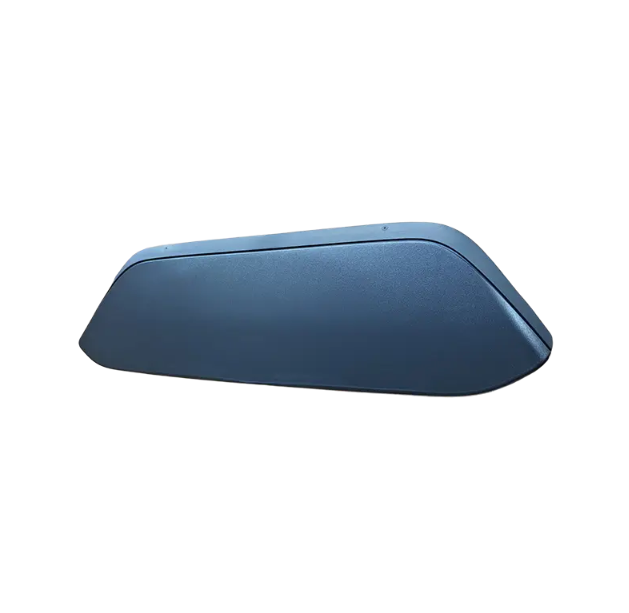
Maintenance becomes a quiet part of production flow. It keeps shape consistency, surface condition, and repeatability under control. Without it, small variations start to accumulate inside the mold structure.
Why does mold maintenance matter in long production cycles?
A mold used for high mount stop lamp parts goes through continuous shaping cycles. Each cycle applies pressure, heat, and release movement. Even when the process looks smooth, the internal surface is constantly interacting with material.
Over time, this creates subtle changes:
- Surface smoothness slowly decreases
- Small marks begin to appear inside cavities
- Release behavior becomes less consistent
- Shape accuracy may shift slightly
These changes are not immediate. They develop slowly across repeated use.
Maintenance helps keep these small changes from building into larger production issues. It is less about repair and more about keeping conditions steady.
How does surface cleaning affect mold condition?
Inside the mold, small residue can form during repeated production cycles. It may not always be visible at first glance. But it slowly affects how material behaves during forming.
When surface cleaning is done regularly, the mold tends to maintain more stable contact with material. When cleaning is delayed, small layers of buildup begin to influence shape accuracy.
Common surface-related changes include:
- Slight unevenness in molded surface finish
- Variation in release smoothness
- Minor changes in product edge clarity
- Gradual loss of surface consistency
Cleaning is not just a visual step. It helps preserve how the mold interacts with material during each cycle.
Even light buildup can change the way pressure spreads across the surface.
Why does inspection help prevent slow mold degradation?
Mold changes rarely appear in a sudden way. They begin with very small differences in behavior. These differences are easy to miss if only final output is checked.
Inspection helps observe early signals such as:
- Slight variation in product shape
- Small resistance during mold opening or closing
- Uneven surface reflection on molded parts
- Minor inconsistency in repeated output
These signals are not failures. They are early indications of internal change.
Regular observation helps connect these small signs before they develop into larger deviations.
Inspection is not about finding damage. It is about noticing movement in condition.
How does lubrication support mold movement stability?
Inside mold operation, movement is repeated many times. Even small friction changes can affect overall performance over time.
Lubrication helps reduce direct contact stress between moving parts. It also supports smoother motion during repeated cycles.
When lubrication condition is stable:
- Movement feels more uniform
- Wear develops more slowly
- Opening and closing behavior stays consistent
- Pressure distribution remains balanced
When lubrication becomes uneven or delayed, resistance may slowly increase. This does not stop production immediately, but it changes how parts interact over time.
Lubrication is often quiet work. Its effect is long-term rather than immediate.
What role does temperature balance play in mold stability?
Precision HMSL Mold Design and Manufacturing operate under repeated heating and cooling cycles. These changes influence how material flows and settles inside the mold.
When temperature distribution stays balanced, material response remains more predictable. When temperature shifts become uneven, forming behavior may change slightly.
Possible effects include:
- Small variation in surface finish
- Slight changes in cooling response
- Uneven material settling inside cavity
- Gradual shift in product shape consistency
Temperature balance is not only about external control. It is also about how heat moves through internal structure.
Even small differences in heat flow can influence long-term stability.
Why does wear appear uneven across mold surfaces?
Not every part of a mold experiences the same level of contact. Some areas handle more repeated stress. Others remain relatively stable.
This leads to natural differences in wear patterns.
Over time, this may appear as:
- Faster surface change in high-contact zones
- Slower change in protected areas
- Slight imbalance in cavity response
- Gradual variation in surface texture
Wear is not random. It follows usage patterns.
Maintenance helps identify where change is happening earliest. This allows adjustment before uneven behavior affects output consistency.
How does release performance change over time?
Release behavior is one of the most sensitive indicators of mold condition. When the mold is new or stable, material separation feels smooth and predictable.
As time passes, small changes inside the surface can affect this behavior.
Changes may include:
- Slight sticking during release
- Uneven separation across surface area
- Variation in release speed
- Increased need for adjustment during operation
These changes are often gradual. They reflect internal surface condition more than external appearance.
Maintaining smooth release helps reduce stress on both mold and material. It also supports consistent product quality over repeated cycles.
What maintenance habits support long-term mold stability?
Mold maintenance is not a single task. It is a set of repeated habits that support stable operation over time. These habits are usually simple but consistent.
Common practices include:
- Keeping internal surfaces clean from residue
- Checking movement smoothness during operation
- Observing surface changes in molded parts
- Supporting stable lubrication condition
- Monitoring release behavior regularly
These actions do not need to be complex. Their value comes from repetition.
When maintenance becomes part of routine workflow, mold condition tends to remain more predictable across long production periods.
Small adjustments made early are easier than corrections made later.
How does mold alignment influence product consistency?
Alignment inside the mold affects how material fills space and how shape is formed. Even small shifts can change final output behavior.
When alignment remains stable, product shape tends to stay consistent. When alignment shifts slightly, variation may appear.
Possible signs include:
- Uneven edges on molded parts
- Slight difference in symmetry
- Variation in surface detail sharpness
- Small inconsistency across production batches
Alignment changes usually develop slowly. They are influenced by repeated movement and long-term pressure.
Maintenance helps keep internal positioning steady and reduces gradual drift.
Why does small preventive care matter more than large repairs?
Mold systems rarely fail suddenly without warning. Most changes begin quietly. A small shift in surface feel. A slight difference in release behavior. A minor variation in output shape.
These early signals are easy to ignore. But they often mark the beginning of internal change.
Preventive care focuses on these early signals. It keeps the system within stable behavior range before variation grows.
Large repairs usually happen after changes become visible. Preventive care works before that point.
In long production cycles, small attention often shapes long-term stability more than major correction work.
High mount stop lamp mold maintenance is not a single action. It is a continuous observation of surface, movement, and balance. Each small adjustment supports steady production behavior across repeated use cycles.
