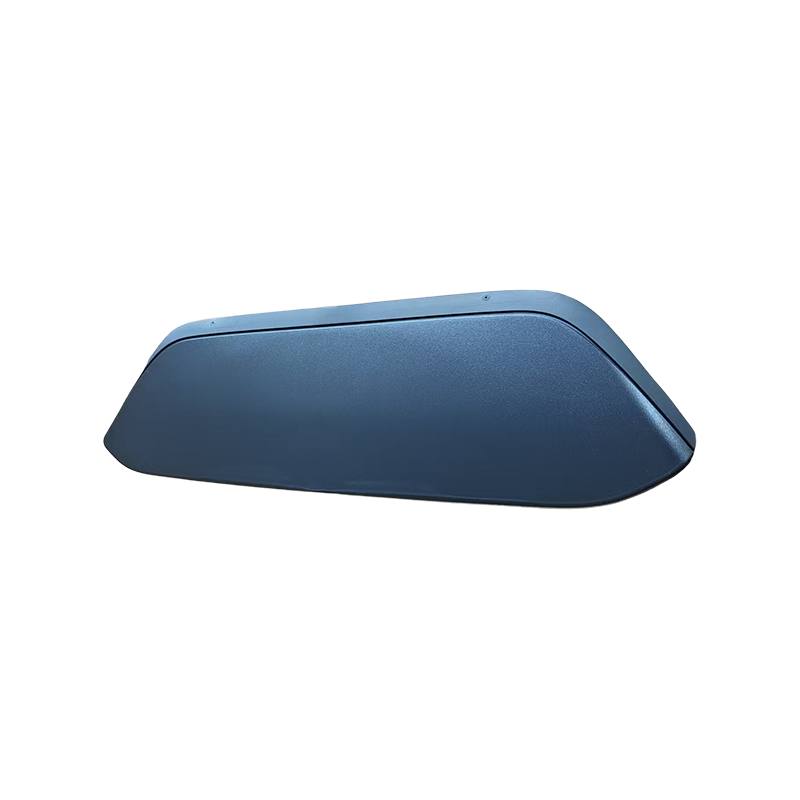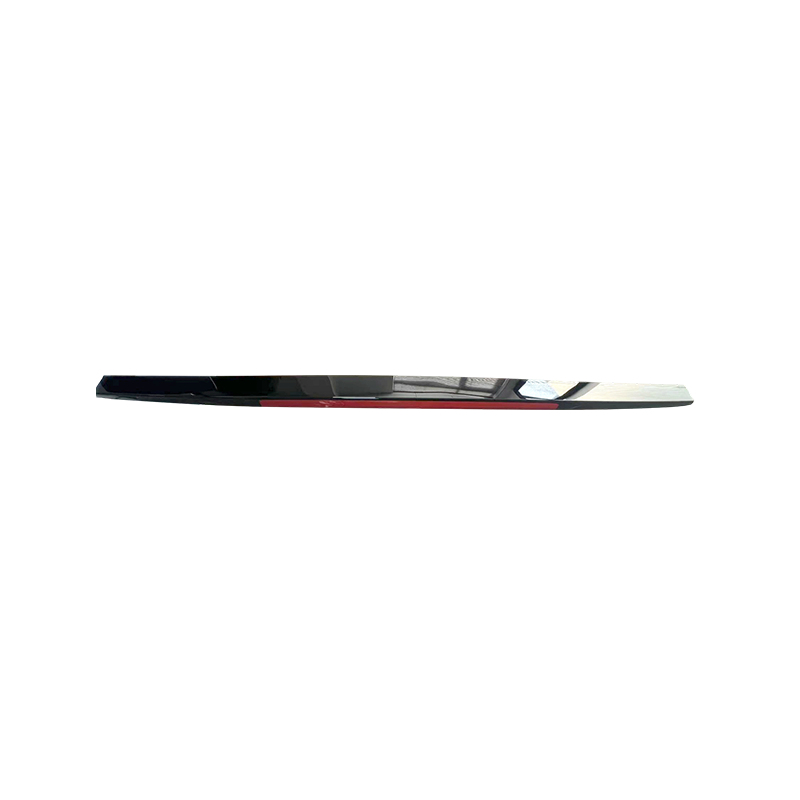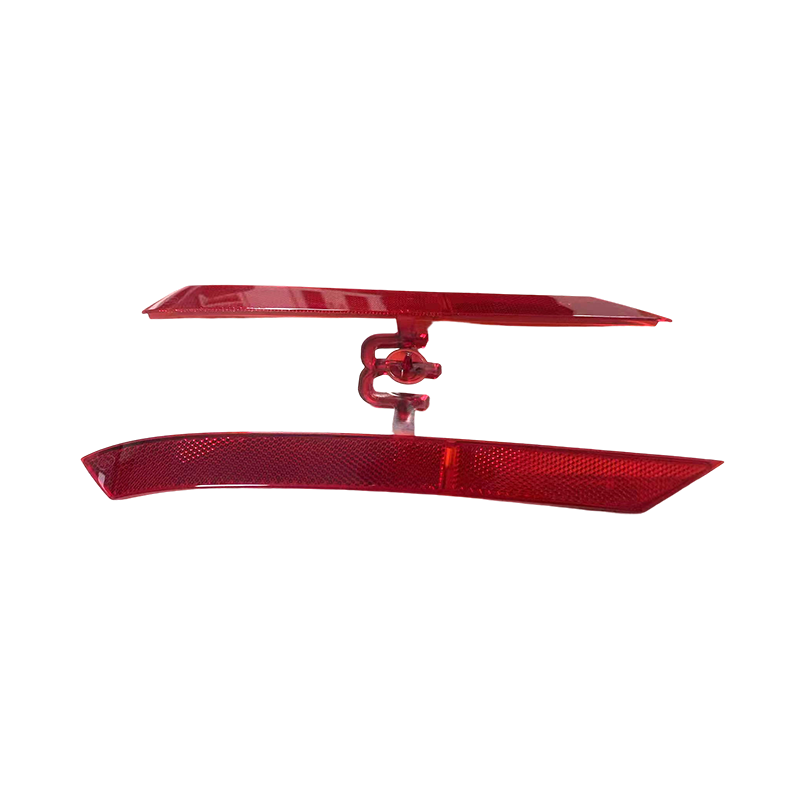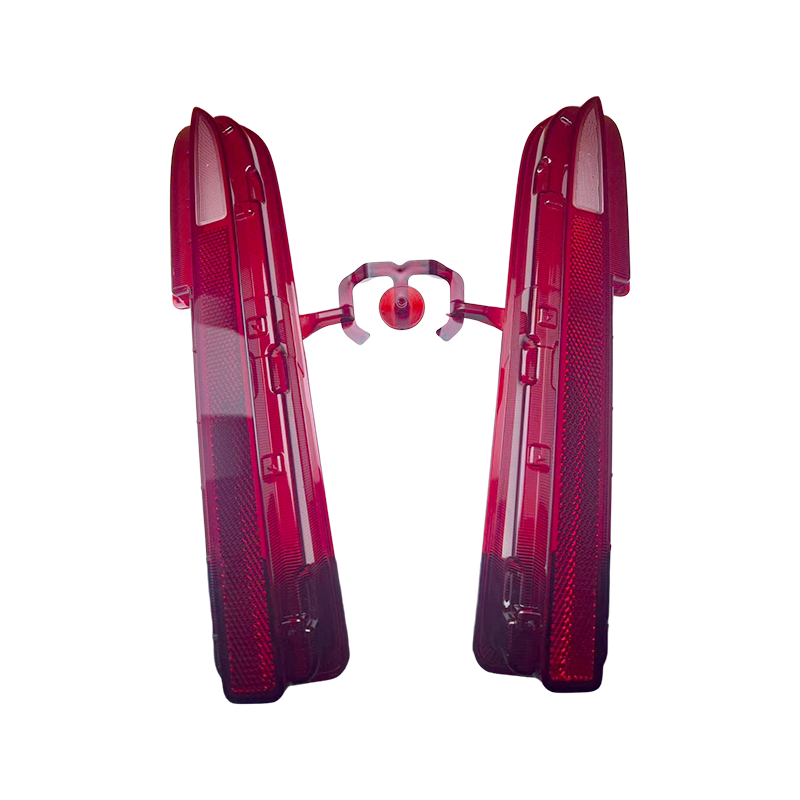
Custom Automotive Lighting Mold Manufacturer

  • Main Products:

  • Automotive Headlamp Mold — Precision molds for headlamp lenses, bezels, housings, and optical components.

  • Tail Light Mold — Custom molds for tail light systems with stable optical performance and appearance quality.

  • HMSL Mold — High-precision molds for highmounted stop lamp lenses and protective component.s

  • Fog Light Mold — Durable reflector and optical molds designed for compact fog light applications.

  • Retro Reflector Mold — Precision retroreflector molds with accurate microstructure replication and stable light reflection.
Automotive Headlamp Mold Manufacturer

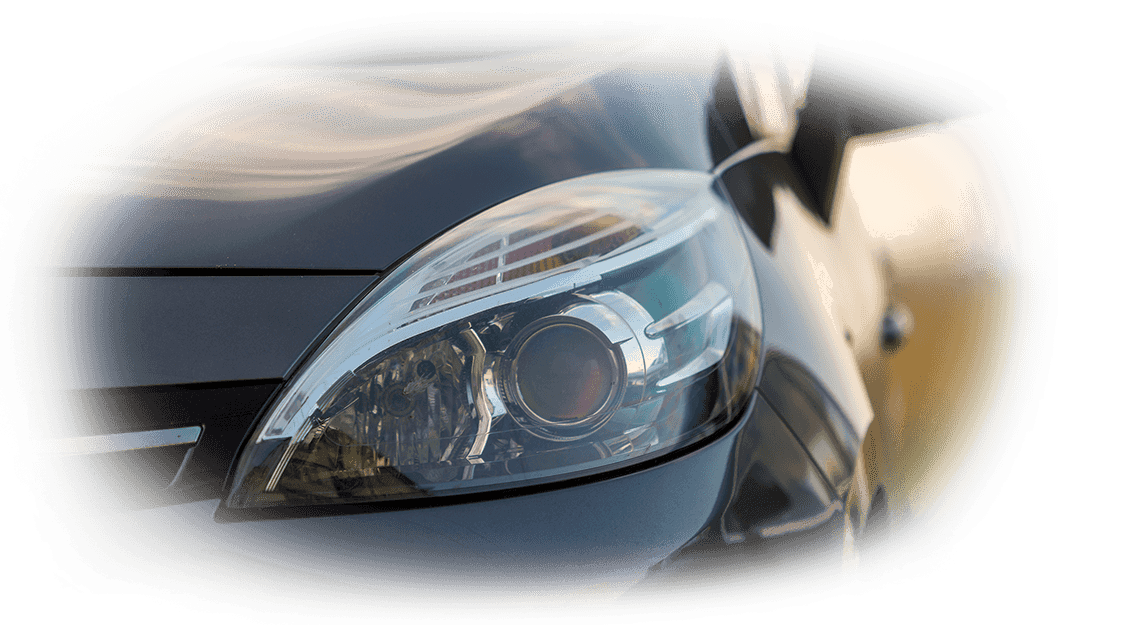
Headlamps are critical safety components that require powerful illumination, accurate low beam and high beam control, and strict glare limitation to meet global automotive lighting regulations.
Our headlamp mold solutions are widely applied in LED headlamps, projector headlamps, matrix headlamps, and adaptive front lighting systems, serving global OEMs and Tier 1 suppliers.
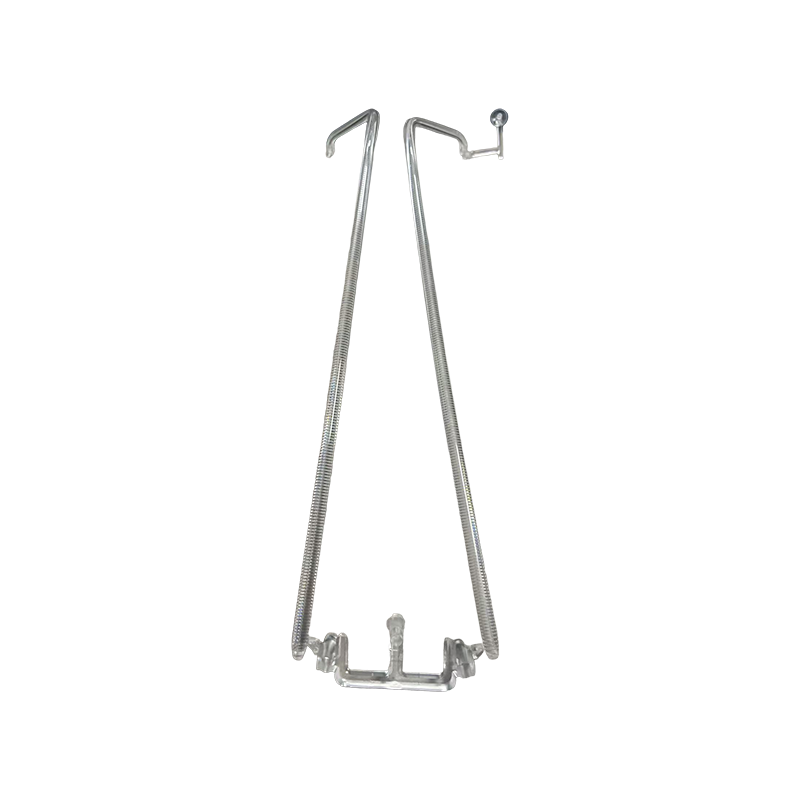
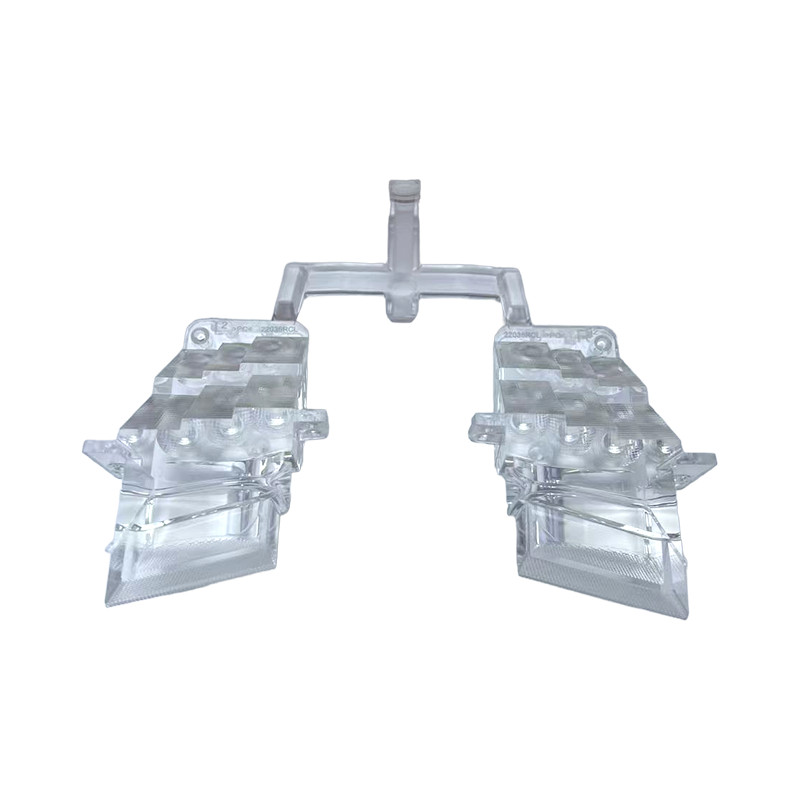
  • Headlamp Light Guide Plate Mold

    Light Guide Structural Characteristics
    The light guide features a dual elongated parallel structure with evenly distributed guiding teeth along its length. The consistent pitch and depth of the light extraction patterns allow light to be gradually released along the guide, helping to avoid hot spots or dark areas. This structure is well suited for headlamp designs using a single-point light source.

    PC (Polycarbonate) Material and Optical Performance
    The light guide is molded in one step using PC (polycarbonate) material. PC offers good optical transparency combined with high mechanical strength, making it suitable for long, slender light guide structures. Under normal operating conditions, the material shows good resistance to yellowing and maintains stable light transmission and appearance over time.

    Mold Design and One-Step Molding Process
    The structure is optimized for a one-step molding process during mold development. Light guiding patterns, bending sections, and positioning features are formed simultaneously in a single mold. By optimizing gate locations, venting, and demolding directions, fine guiding textures can be accurately replicated, supporting stable mass production without secondary processing.

    Application and Integration
    This light guide is suitable for contour or decorative lighting applications within headlamp systems. It supports flexible integration with different lamp housing designs while maintaining mold feasibility and production consistency, making it suitable for long-term project use.

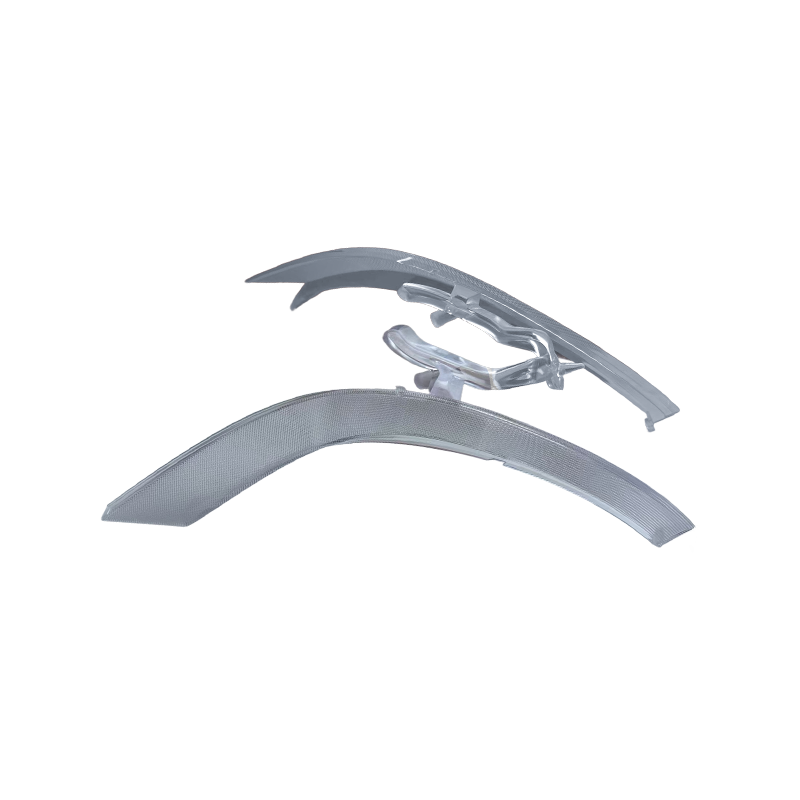
  • Headlamp Inner Lens Lampshade Mold

    Structural Characteristics and Shape Design
    The inner lens features a smooth, curved profile that follows the internal contour of the headlamp. Fine optical textures are distributed across a large surface area to soften direct light exposure and enhance visual uniformity. Structural planning during the design stage ensures that textured areas remain continuous, avoiding negative effects from complex geometry transitions.

    Texture Detail and Surface Quality
    A key feature of this component is that the textured surface is free from visible tool marks or machining joints. The texture is formed as a continuous surface rather than being segmented or stitched together. This requires precise mold machining, optimized tool path planning, and stable surface finishing processes to achieve a clean and consistent texture appearance.

    Mold Design and Machining Process
    To meet the high surface quality requirements of large-area textures, the mold is manufactured using refined tool path strategies and stable machining processes to minimize interruptions and tool changes. Parting lines are carefully positioned away from textured areas, ensuring that the molded part maintains a uniform surface finish and consistent appearance in mass production.

    Application and Integration
    This headlamp inner lens is suitable for headlamp systems that place strong emphasis on interior optical appearance. It can be used as a shading, transition, or decorative optical component, while supporting mold manufacturability and stable mass production for long-term project integration.

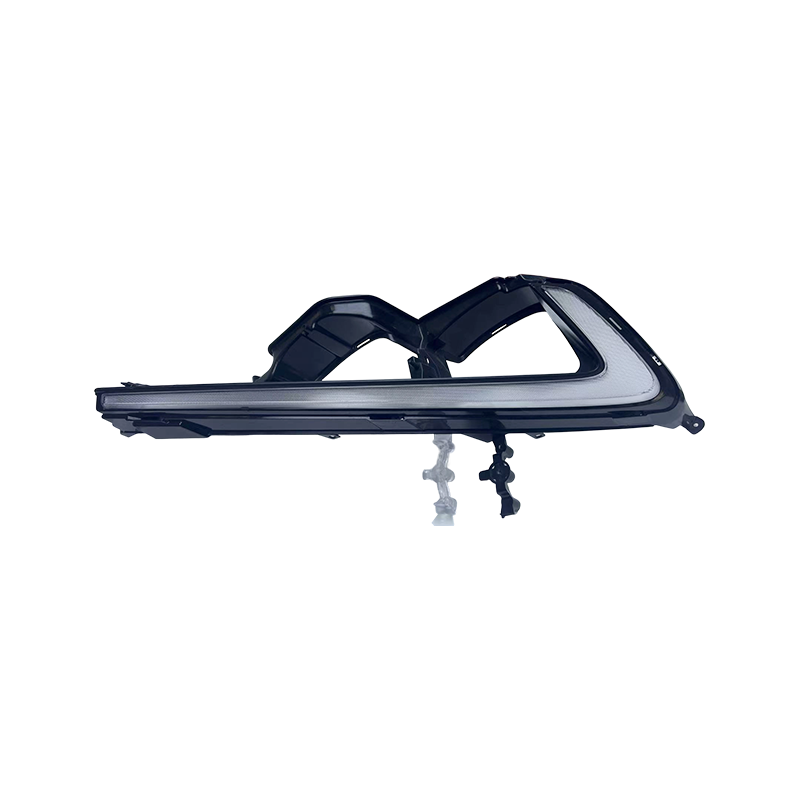
  • Headlamp Bezel Two-Shot Mold

    Structural Characteristics and Bezel Design
    The bezel features an elongated profile with angular transitions, following the perimeter of the headlamp and forming distinctive styling lines at corners and bends. Decorative areas and structural support zones are clearly defined during the design stage to ensure smooth visual continuity while maintaining reliable positioning and structural integrity after molding.

    Dual-Color Molding and Appearance Control
    A dual-color injection molding solution is used to form different color regions in one molding cycle. Color boundaries are clean and stable, reducing the need for secondary painting or assembly. This approach helps improve appearance consistency and repeatability across production batches.

    Mold Design and Molding Control
    To accommodate the slim geometry, multiple transitions, and dual-color structure, the mold is optimized in parting layout, color separation design, and molding sequence. Controlled molding conditions ensure stable filling, clear color boundaries, and consistent surface quality suitable for mass production.

    Application and Integration
    This dual-color headlamp decorative bezel is suitable for headlamp designs that emphasize styling details and integrated color effects. While achieving complex appearance requirements, the design also supports mold manufacturability and long-term production stability for serial headlamp projects.

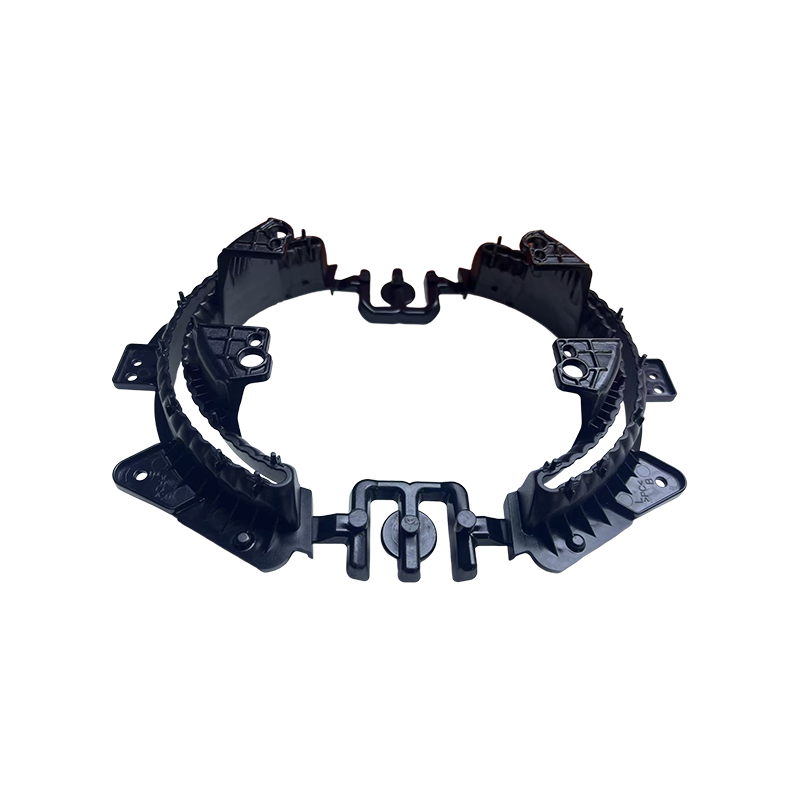
  • Headlamp Ring-Shaped Bracket Mold

    Structural Characteristics and Bracket Layout
    The bracket features a ring-shaped structure with multiple supporting points distributed around the lamp perimeter, enabling balanced load distribution. Multiple mounting holes, clips, and locating features are integrated into the design to interface with the lamp body, housing, and vehicle structure, supporting stable assembly and reduced tolerance accumulation.

    Material Selection and Structural Performance
    The bracket is molded from engineering plastic selected for structural strength and dimensional stability. Reinforcement ribs and wall thickness are carefully designed to maintain rigidity while avoiding localized stress concentration, supporting reliable performance under vibration and temperature variation typical of automotive environments.

    Mold Design and Molding Control
    To accommodate the complex geometry and concentrated functional features, the mold is optimized in terms of parting structure, slider configuration, and gate layout. Controlled melt flow and molding conditions ensure complete formation of functional areas and stable dimensions, supporting consistent assembly accuracy.

    Application and Integration
    This headlamp mounting bracket is suitable for various headlamp system architectures and can be adapted to different vehicle designs. While providing integrated structural support, the design maintains mold manufacturability and stable mass production performance, making it suitable for long-term headlamp projects.

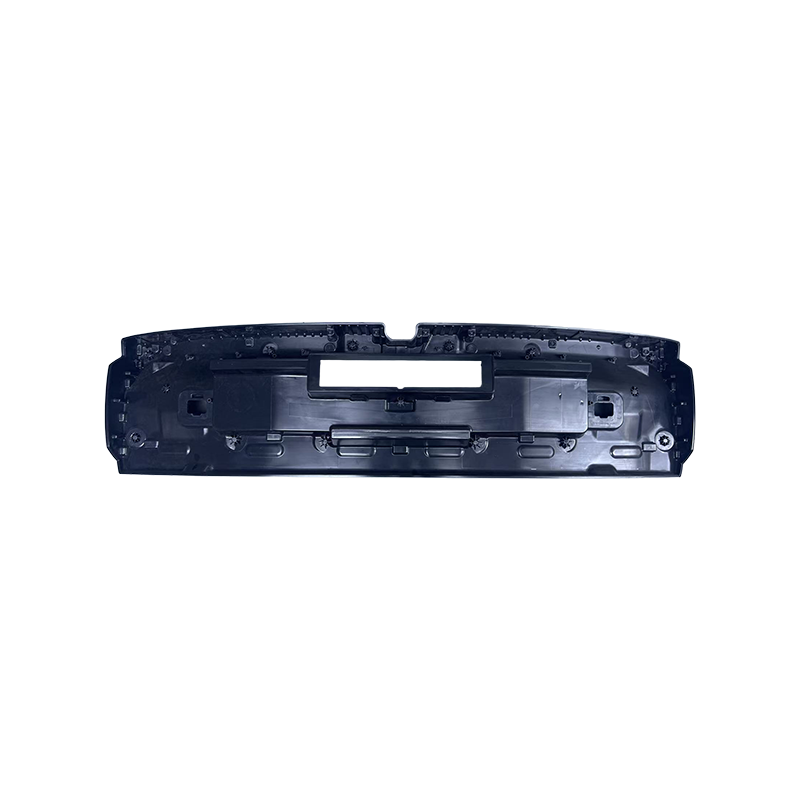
  • Headlamp Through-Type Lamp Housing Mold
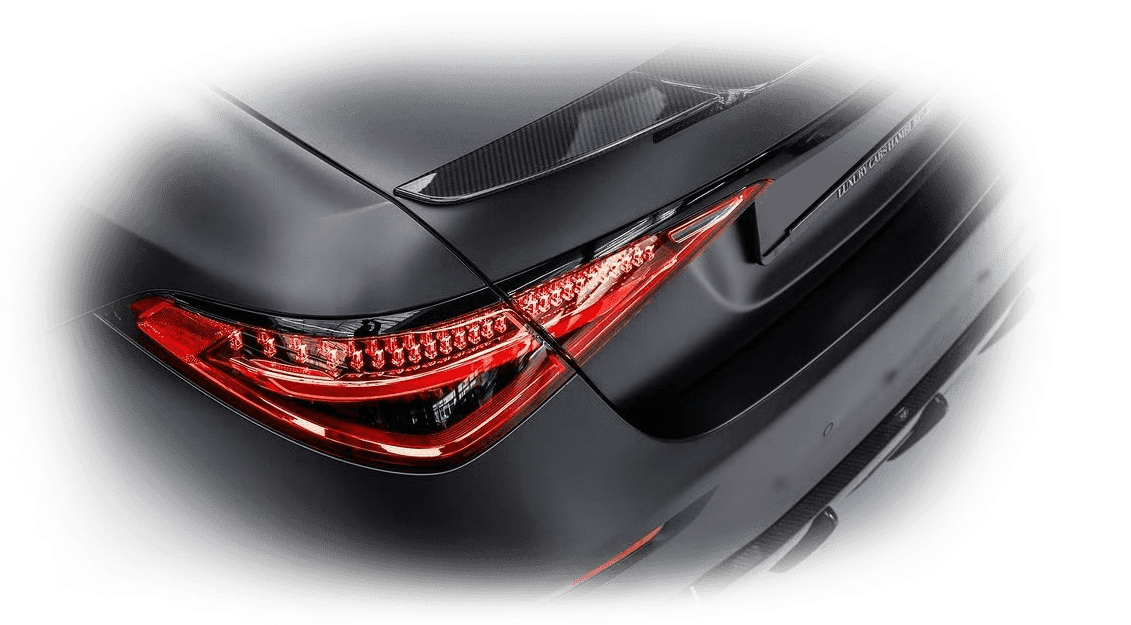
    Structural Characteristics and Housing Layout
    The housing features a slim, elongated profile extending across the vehicle front width. Multiple mounting points, reinforcement ribs, and functional zones are integrated along the length. Structural zoning is applied to balance rigidity and continuity, supporting stable assembly and long-term structural performance for ultra-long components.

    Material Selection and Dimensional Stability
    The housing is molded from an engineering plastic selected to support large structures. Wall thickness distribution and rib design are optimized to reduce shrinkage and warpage along the length, helping maintain dimensional stability and assembly accuracy for full-width lighting systems.

    Mold Design and Molding Control
    To address the challenges of molding a 1.4-meter-long housing, the mold is optimized in parting layout, gate positioning, and cooling system design. Melt flow balance and molding conditions are carefully controlled to ensure uniform filling and stable forming across the entire cavity, supporting consistent mass production.

    Application and Integration
    This front full-width light housing is suitable for next-generation front lighting systems with a continuous design language. While achieving integrated ultra-long molding, the solution maintains mold manufacturability and production stability, making it suitable for long-term series production projects.

Tail Lights Mold Manufacturer

We commonly use mold steels such as 1.2343ESR, 1.2344ESR, NAK80, 1.2738HH, and 718H, which are well-suited for transparent and colored plastic parts requiring superior surface quality and durability. Our tail light molds are widely used in LED tail lights, light guide tail lights, and full-width rear lighting designs, supporting OEMs and Tier 1 suppliers worldwide with engineering support and reliable after-sales service.
  • Taillight Systems Thick-Walled Optical Component Mold

    Structural Characteristics and Wall Thickness Design
    The component features a distinct thick-wall structure, with locally increased wall thickness to support light housing design and structural requirements. Wall thickness distribution is carefully planned during mold design, with smooth transitions to reduce the risk of molding defects caused by excessive thickness variation, helping maintain overall part integrity.

    Material Performance and Appearance Stability
    With appropriate material selection and controlled molding parameters, the thick-wall component shows no visible yellowing after molding, maintaining good transparency and consistent appearance. Even with increased wall thickness, the part does not introduce negative visual effects, making it suitable for long-term tail light applications.

    Mold Design and Molding Control
    To address the challenges associated with thick-wall molding, the mold is optimized in terms of gate positioning, cooling layout, and processing control. These measures help reduce internal stress and promote uniform solidification, supporting stable appearance and dimensional consistency in mass production.

    Application and Integration
    This thick-wall optical component can be integrated into various tail light designs as a functional or structural element. While meeting strength and appearance requirements, it also supports mold manufacturability and production consistency, making it suitable for long-term automotive lighting projects.

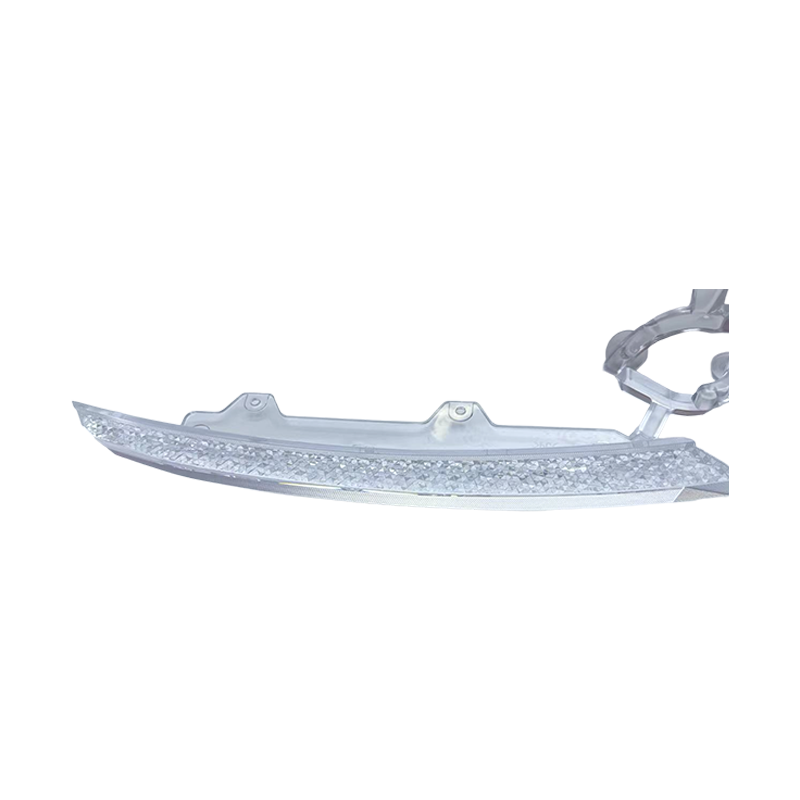
  • Slender Curved Contoured Taillight Thick-Walled Mold

    Structural Characteristics and Thick-Wall Design
    The component features a pronounced thick-wall structure with an elongated, curved profile to support tail light styling and structural requirements. Wall thickness distribution is carefully planned during design to ensure smooth transitions, providing a stable structural foundation for the implementation of complex surface textures.

    Special Texture and Visual Effect
    A key feature of this component is its irregular, non-repetitive optical texture pattern. Rather than using uniform or repeating elements, the texture is formed through varied units and angles. When light passes through the thick-wall material, these patterns create multi-directional refraction, resulting in a dynamic, flowing appearance. This effect places high demands on texture precision and mold replication accuracy.

    Mold Design and Molding Control
    To address the combined challenges of thick-wall molding and complex surface textures, the mold is optimized in terms of texture machining methods, cavity precision, and cooling layout. Controlled processing conditions help ensure that fine texture details are fully formed within thick sections, maintaining clear pattern definition and consistent visual performance in mass production.

    Application and Integration
    This thick-wall optical component is suitable for tail light designs that emphasize visual depth and styling effects. While delivering a distinctive appearance, it also supports mold manufacturability and production consistency, making it suitable for long-term use in mid- to high-end tail light projects.

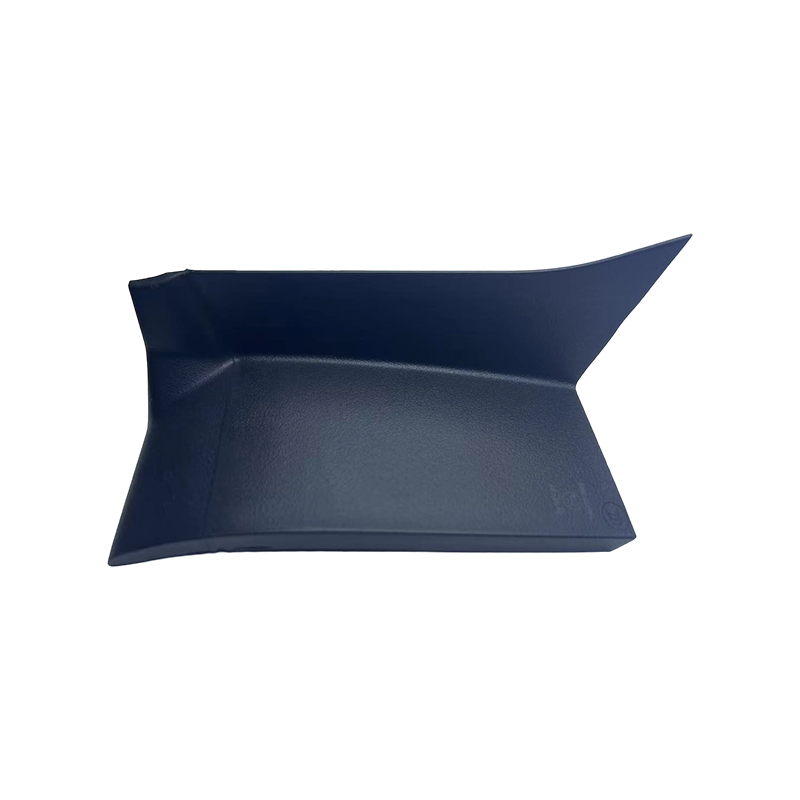
  • Taillight Protective Cover Two-Shot Mold with Rubber Coating

    Structural Characteristics and Trim Design
    The trim panel features an asymmetric curved profile that follows the outer contour of the tail light. Color separation and functional zones are defined during the design stage to ensure clean boundaries and smooth transitions after molding, without affecting light appearance or assembly fit.

    Overmolding Process and Dual-Color Integration
    The component is manufactured using an overmolding process, where the second material is applied to designated areas after the base material is formed. A rotary slider mechanism enables precise material switching, resulting in stable color boundaries and strong bonding between materials.

    Single-Cavity Rotary Slider Mold Technology
    A key technical feature of this tail light trim panel is the single-cavity rotary slider molding system. The mold allows different materials to be molded sequentially within the same cavity through controlled slider rotation. This design requires high precision in mold structure and motion control, while supporting consistent part quality and stable mass production.

    Application and Integration
    This dual-color overmolded trim panel is suitable for tail light designs that emphasize styling details and integrated molding solutions. While achieving complex material combinations, the design also supports mold manufacturability and long-term production stability for tail light projects.

Other Mold

About Us

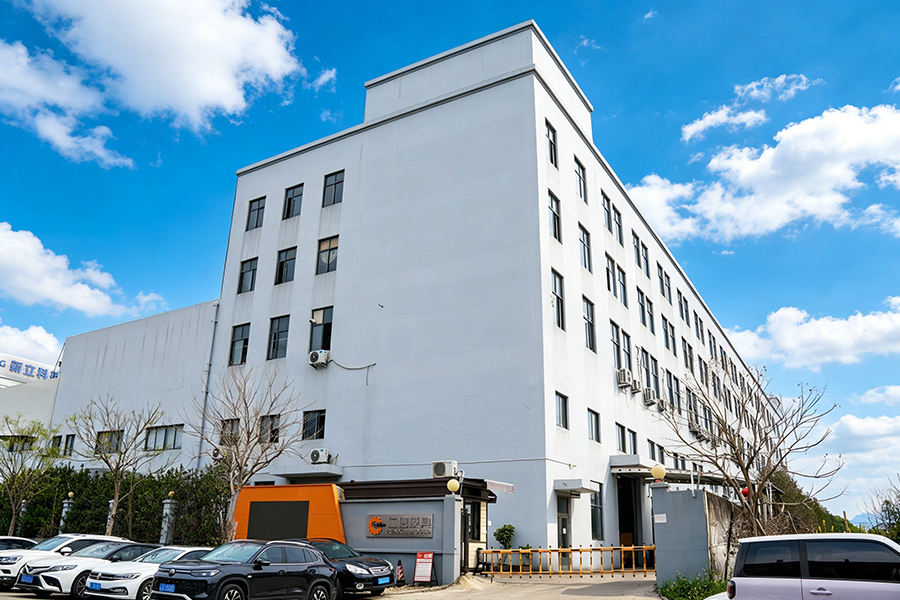
Founded in 2013, Taizhou Renxin Mould Co., Ltd. is a high-tech enterprise specializing in the R&D, manufacturing, and sales of automotive lighting molds and lighting products. The company has obtained over 30 patents and has been recognized as a National High-Tech Enterprise in China.

Supported by advanced CAD / CAE / CAM technologies, we provide value-driven product optimization and mold design solutions, including DFM analysis, mold flow analysis, optical simulation, and thermal simulation.

As a professional OEM mold solution provider, we have supplied mold development and manufacturing services for many well-known automotive brands, including BYD, Geely, SAIC, and General Motors.

In addition, we are certified to ISO 9001:2015 and IATF 16949 quality management systems.

  • 0

    Professionals
  • 0

    Founded In
  • 400+

    Patents
  • 400+

    Sales Countries And Regions

Why CHoose Us

  • 01. Engineering Team
    Our team includes machinists, polishing specialists, assembly technicians, and injection molding engineers, with an average of over 8 years of hands-on industry experience.
  • 02. Product Testing
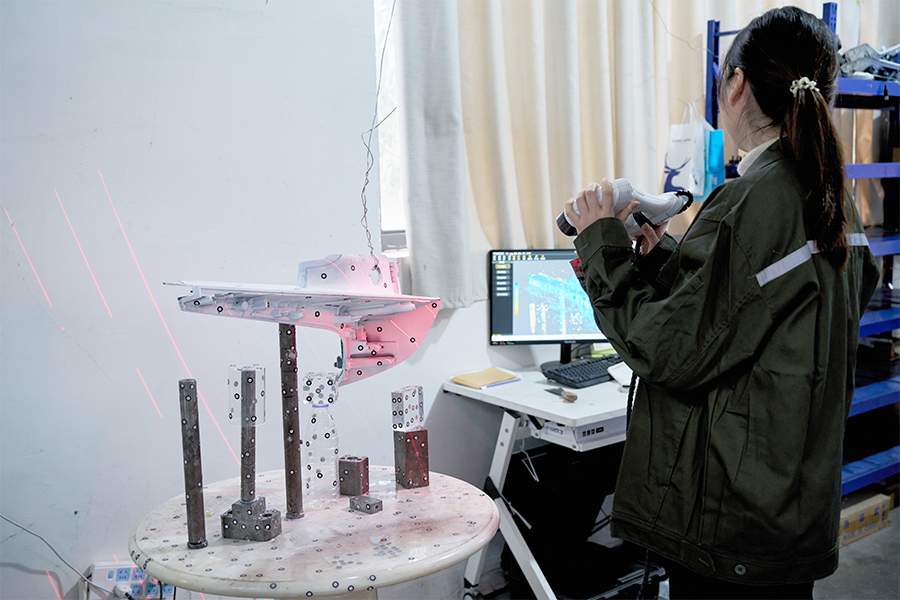
    We use high-precision Coordinate Measuring Machines (CMM) to perform micron-level inspections on key mold components and finished products.
  • 03. Technology & R&D
    The company has obtained more than 30 patents, including light guide strip molds and multi-layer lens injection molds, with strong expertise in automotive lighting mold structures and molding processes.
  • 04. Advanced Equipment
    The company is equipped with 11 high-speed CNC machining centers, 5 EDM (Electrical Discharge Machining) machines, 2 precision grinding machines, 3 CNC milling machines, as well as thick-wall injection molding machines and two-color injection molding machines.

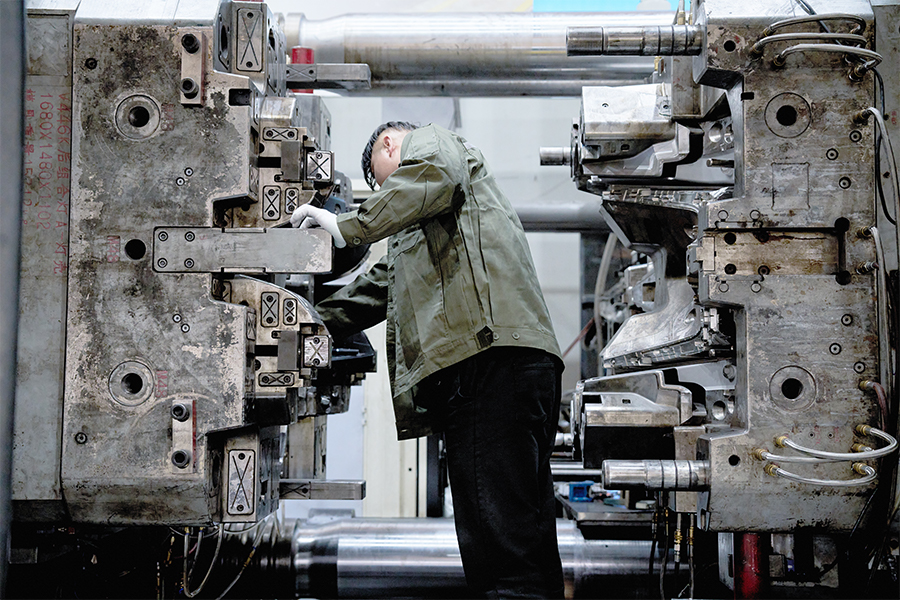
Factory tour – where quality takes shape

With a professional technical team possessing strong R&D capabilities, all mold product design and development utilizes CAD/CAM/CAE technology and 3D solid modeling technology.
  • What type of molds does Renxin Mould specialize in?

    We are a high-tech enterprise specializing in automotive lighting molds. We are particularly proficient in the R&D and manufacturing of dual-color/tri-color injection molds, thick-wall light guide molds, lens molds, and BMC reflector molds
  • What are your core technical strengths?

    1) Patented technologies (e.g., rotary molding) honed in lighting molds;
    2) Automotive-grade quality systems compliant with IATF 16949;
    3) End-to-end engineering capabilities from design (CAD/CAE) to manufacturing and inspection;
    4) Extensive project experience serving numerous leading OEMs.
  • How do you ensure mold precision and long-term stability?

    First, Hardware – utilizing high-precision CNC, CMMs, and other advanced equipment.
    Second, Systems – strictly implementing IATF 16949 standards for full-process traceability.
    Third, Process – employing professional fitting/polishing teams and rigorous trial molding procedures to ensure mold lifespan and production stability.

INQUIRY NOW

Contact Us And Get A Free Quote Today!